Diwali is a festival filled with light, devotion and celebration. Homes are decorated with colourful rangolis, rows of diyas illuminate doorways, and families come together to welcome prosperity and happiness. Among the many traditions associated with the festival, one of the most important is Lakshmi-Ganesh Puja, performed on the main evening of Diwali.
Every year, devotees worship Goddess Lakshmi and Lord Ganesha, seeking blessings for wealth, wisdom, good fortune and new beginnings. While Goddess Lakshmi is revered as the goddess of wealth and prosperity, Lord Ganesha is worshipped as the remover of obstacles and the giver of wisdom.
But have you ever wondered why these two deities are worshipped together? Why is Lord Ganesha included in Lakshmi Puja? And why do families pray to them on Diwali when the festival is also associated with Lord Rama's return to Ayodhya?
The tradition has several religious and spiritual explanations. At its heart is a beautiful message: prosperity becomes meaningful when it is guided by wisdom.
Understanding the Significance of Lakshmi-Ganesh Puja on Diwali
Why Is Goddess Lakshmi Worshipped on Diwali?
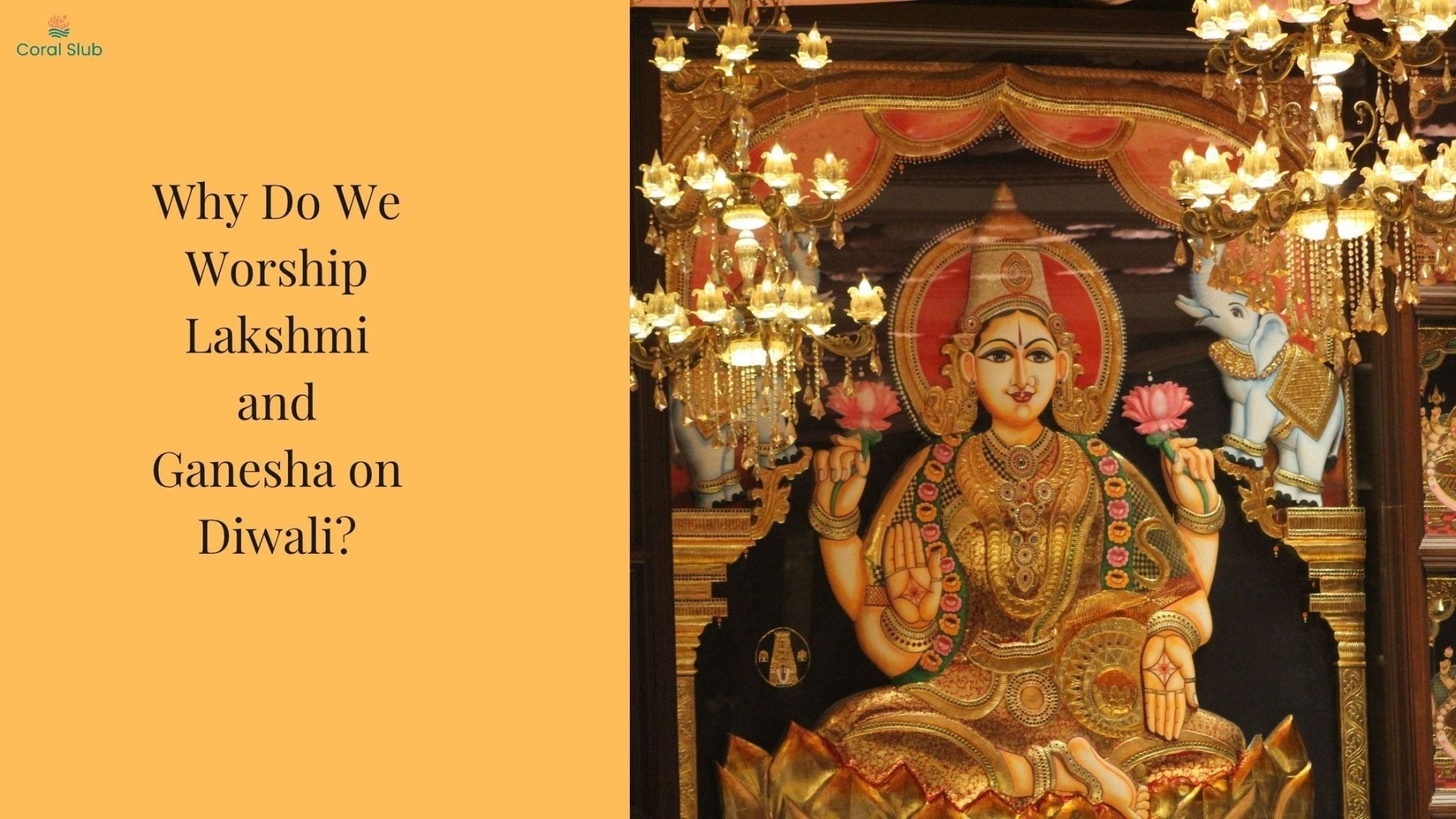
Goddess Lakshmi is one of the most revered deities in Hinduism. She represents wealth, fortune, abundance, prosperity and well-being. Often depicted seated on a blooming lotus, she symbolises purity, grace and the blessings that help individuals and families lead fulfilling lives.
Diwali is considered an auspicious occasion to welcome Goddess Lakshmi into homes. Devotees pray for financial stability, success in business, good health and happiness for their families.
According to Hindu mythology, Goddess Lakshmi emerged during the Samudra Manthan, the churning of the cosmic ocean by the devas and asuras. Her appearance is associated with the arrival of divine beauty, fortune and abundance.
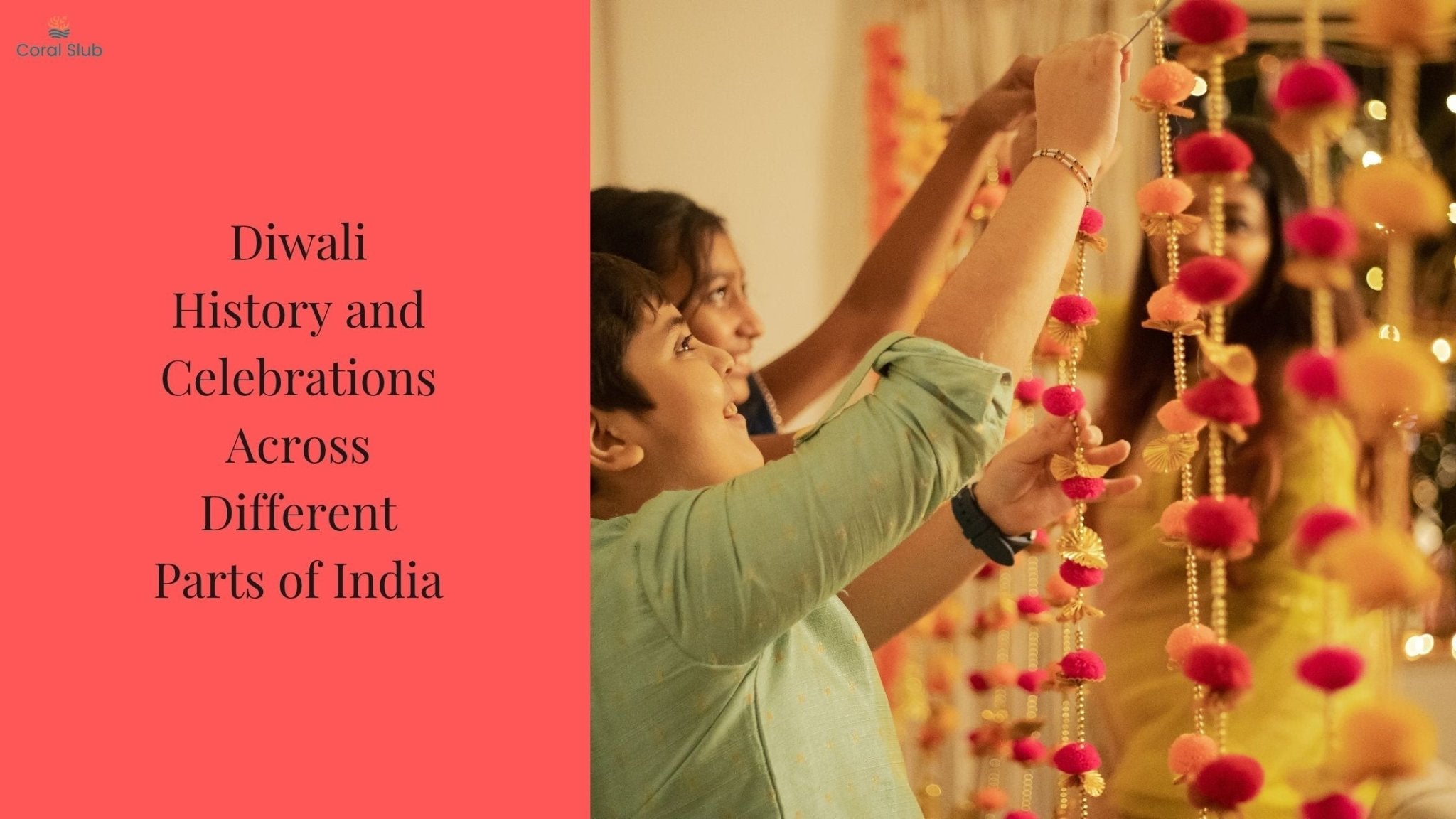
On Diwali, families clean their homes, decorate entrances with rangolis, light earthen lamps and perform prayers to welcome her blessings. In several traditions, open doors, illuminated pathways and beautiful decorations symbolise an invitation for prosperity and auspiciousness.
Why Is Lord Ganesha Worshipped Alongside Goddess Lakshmi?
Lord Ganesha is known as Vighnaharta, the remover of obstacles, and is traditionally worshipped before beginning any auspicious activity. He represents wisdom, intelligence, knowledge, good judgement and new beginnings.
During Diwali, Lord Ganesha is worshipped alongside Goddess Lakshmi because wealth and prosperity are believed to be incomplete without wisdom.
Imagine having great wealth but lacking the judgement to manage it responsibly. Material abundance alone cannot guarantee happiness, stability or success. It is wisdom that helps us make the right decisions, overcome challenges and use our resources meaningfully.
This is the deeper significance of Lakshmi-Ganesh Puja. Goddess Lakshmi represents the blessings of prosperity, while Lord Ganesha represents the intelligence required to preserve and use that prosperity wisely.
Their combined worship is therefore a prayer for a life that is not only wealthy but also balanced, meaningful and harmonious.
The Mythological Story Behind Lakshmi and Ganesha's Joint Worship
The Popular Story of Goddess Lakshmi and Lord Ganesha
One popular devotional story explains the association between Goddess Lakshmi and Lord Ganesha during Diwali.
According to this traditional tale, Goddess Lakshmi once expressed her desire to experience motherhood. Although she was revered as the goddess of wealth and prosperity, she wished to experience the joy of having a child.
She approached Goddess Parvati and shared her feelings. Understanding her desire, Parvati allowed Lakshmi to adopt her son, Lord Ganesha.
Goddess Lakshmi was delighted and accepted Ganesha as her son. In gratitude, she declared that anyone who wished to receive her blessings for wealth and prosperity should also worship Lord Ganesha.
Since then, according to this popular devotional explanation, the two deities have been worshipped together during Diwali.
The story highlights the relationship between prosperity and wisdom. It reminds devotees that material wealth should always be accompanied by good judgement, humility and positive intentions.
It is worth noting that this is one popular traditional explanation rather than a universally accepted account of how the ritual originated.
What Does This Story Teach Us?
The story carries a deeper message about the importance of balancing material and intellectual wealth. Goddess Lakshmi represents abundance, while Lord Ganesha represents the wisdom to manage that abundance.
It encourages devotees to understand that wealth without knowledge and good judgement may not lead to lasting happiness. True prosperity comes from making responsible choices and maintaining balance in life.
Why Is Lord Ganesha Worshipped First During Lakshmi Puja?
The Meaning of Pratham Pujya
In Hindu traditions, Lord Ganesha is known as Pratham Pujya, meaning the deity who is worshipped first during auspicious ceremonies.
Before beginning Lakshmi Puja, devotees traditionally invoke Lord Ganesha to seek blessings for the removal of obstacles and the successful completion of the rituals.
This practice is connected to his identity as Vighnaharta. Whether someone is starting a business, beginning a new journey, celebrating a wedding or performing a religious ceremony, Ganesha is often worshipped first.
The Spiritual Significance of Worshipping Ganesha First
During Diwali, this tradition carries an additional spiritual message. Before seeking prosperity, one should cultivate wisdom, clarity and good intentions.
It is a reminder that success is not simply about receiving opportunities but also about being prepared to make the most of them.
Why Do We Worship Lakshmi and Ganesha Instead of Lord Rama on Diwali?
The Connection Between Lord Rama and Diwali
In many parts of North India, Diwali celebrates the return of Lord Rama, Goddess Sita and Lakshmana to Ayodhya after fourteen years of exile and Rama's victory over Ravana.
According to the popular Ramayana tradition, the people of Ayodhya welcomed them by lighting rows of earthen lamps. This story is one of the most widely recognised explanations for celebrating Diwali as the Festival of Lights.
Why Is Lakshmi Puja Also Important?
However, the main evening puja in many Hindu households is dedicated to Goddess Lakshmi and Lord Ganesha.
The reason is that Diwali has several religious and cultural associations. The story of Lord Rama represents the triumph of good over evil, the victory of righteousness and the joy of homecoming. Lakshmi Puja, on the other hand, focuses on prosperity, fortune and the well-being of the household.
These traditions are not contradictory. They highlight different spiritual meanings of the same festival.
For devotees, Diwali is both a celebration of the victory of light over darkness and an occasion to pray for abundance, wisdom and happiness.
Performing the Lakshmi-Ganesh Puja
Devotees offer flowers, sweets, fruits, incense, lamps and other auspicious items. Prayers and mantras are recited to seek the blessings of the deities.
In many households, Lord Ganesha is worshipped first, followed by Goddess Lakshmi. Some traditions also include prayers to Lord Kubera, who is associated with wealth and treasures.
After the puja, families distribute prasad, exchange greetings and spend time together. The evening often continues with festive meals, sweets, gifts and the lighting of diyas.
The celebration is a beautiful combination of devotion, family traditions and gratitude.
Conclusion:
The worship of Goddess Lakshmi and Lord Ganesha on Diwali is more than a traditional ritual. It represents the belief that prosperity and wisdom should always go hand in hand.
While Goddess Lakshmi blesses devotees with abundance and good fortune, Lord Ganesha represents the intelligence, clarity and strength needed to make that prosperity meaningful.
As you light diyas and welcome the festive season, remember that true wealth is not measured only by material possessions. It is also found in good health, peaceful homes, meaningful relationships and the happiness of sharing what we have.
This Diwali, may Goddess Lakshmi bring abundance into your home and may Lord Ganesha bless every new beginning with wisdom, courage and success.