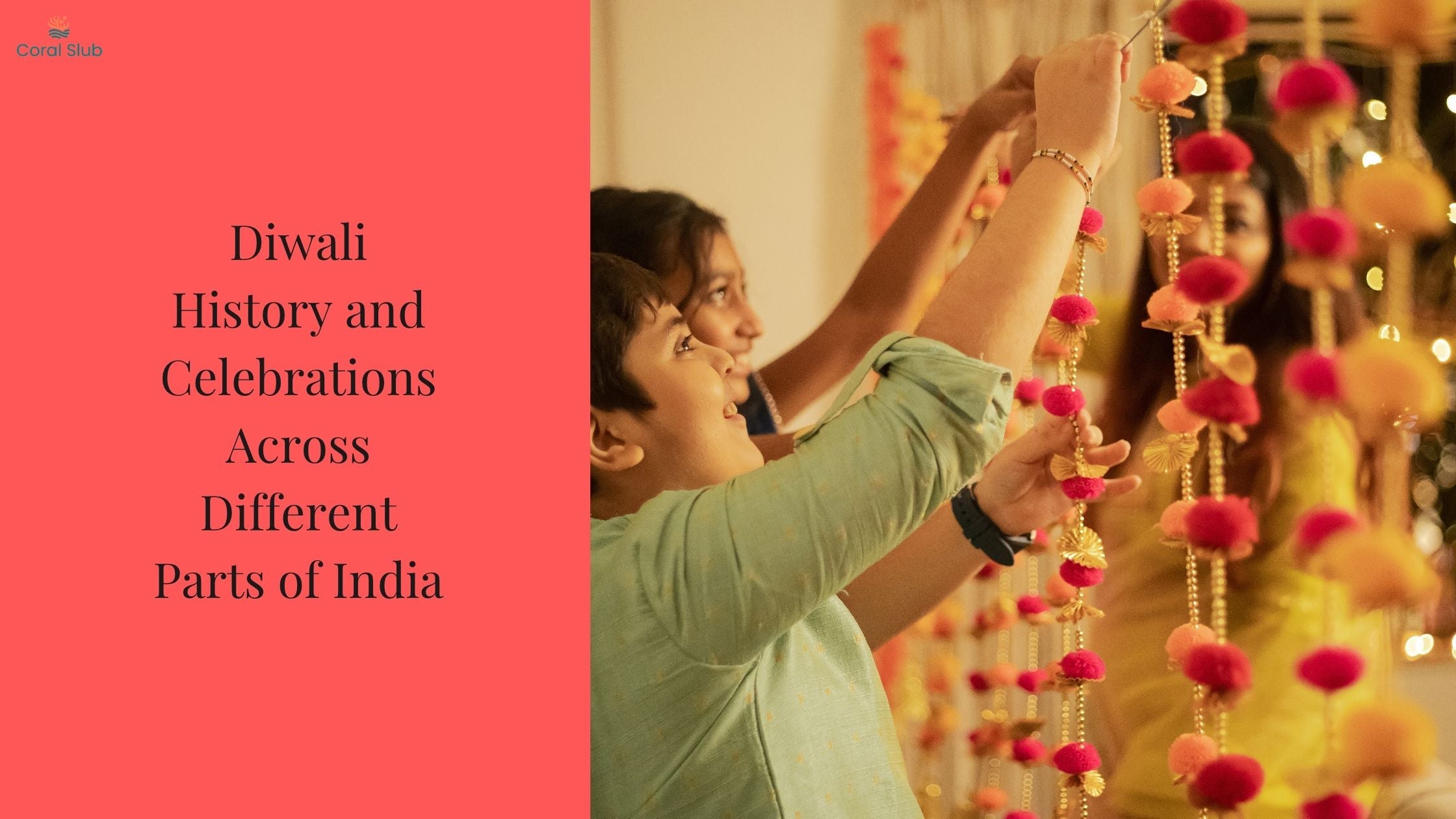
As the festive season approaches, India begins to glow with the warmth of countless diyas, colourful rangolis, beautifully decorated homes and the excitement of family gatherings. Markets come alive with traditional sweets, festive clothing and decorative lights, while households prepare to welcome prosperity and new beginnings.
Known as Deepavali or the Festival of Lights, Diwali is among India's most widely celebrated festivals. Its significance goes beyond lighting lamps and exchanging gifts. It brings together stories from ancient scriptures, regional folklore, religious traditions and centuries-old cultural practices.
What makes Diwali particularly fascinating is that it is not celebrated in exactly the same way across India. While many North Indian households associate it with Lord Rama's return to Ayodhya, celebrations in South India often commemorate Lord Krishna's victory over Narakasura. In West Bengal and Assam, the occasion coincides with Kali Puja, while Gujarat celebrates the festival with Lakshmi Puja and the beginning of a new business year.
Every region adds its own traditions, flavours and cultural identity to the festival, making Diwali a beautiful reflection of India's diversity.
Let's explore the history of Diwali, its religious and cultural significance, and how different parts of India celebrate this festival of light.
The History of Diwali: Where Did the Festival of Lights Begin?
The Meaning Behind the Word Deepavali
The word Deepavali comes from the Sanskrit words Deepa, meaning lamp or light, and Avali, meaning a row or series. Together, they describe rows of illuminated lamps that symbolise the victory of light over darkness.
Diwali is observed during the Hindu lunar month of Kartika, generally falling in October or November. The main celebration takes place on Amavasya, or the new moon night, when homes and public spaces are illuminated with traditional earthen lamps.
The festival has a long history, with references to its observances appearing in ancient Indian religious and literary traditions. Its exact origins cannot be attributed to a single event or historical moment. Instead, Diwali developed through different religious beliefs, seasonal customs and regional celebrations over centuries.
The Return of Lord Rama to Ayodhya
One of the most widely known stories associated with Diwali comes from the Ramayana.After fourteen years of exile, Lord Rama returned to Ayodhya with Goddess Sita and Lakshmana following his victory over Ravana. According to the popular tradition, the people of Ayodhya welcomed them by lighting rows of oil lamps throughout the kingdom.
The lamps symbolised happiness, devotion and the triumph of good over evil. This story is particularly significant in North India, where Diwali is celebrated as the homecoming of Lord Rama.
The tradition of lighting diyas during Diwali continues to represent the same message of hope, positivity and the victory of righteousness.
Lord Krishna's Victory Over Narakasura
Another important story associated with Diwali is Lord Krishna's victory over the demon king Narakasura.
According to Hindu mythology, Narakasura had become a tyrannical ruler who troubled the people and imprisoned thousands of women. Lord Krishna, accompanied by Satyabhama, defeated him and brought an end to his oppression.
This victory is commemorated as Naraka Chaturdashi, also known as Choti Diwali. The occasion is particularly significant in parts of South India, where celebrations often begin with early morning rituals, oil baths and festive preparations.
Goddess Lakshmi and the Celebration of Prosperity
Diwali is also closely associated with Goddess Lakshmi, the Hindu goddess of wealth, prosperity and abundance.
On the main Diwali evening, families clean and decorate their homes, create rangolis, light diyas and perform Lakshmi-Ganesha Puja. It is believed that Goddess Lakshmi visits clean and illuminated homes, blessing families with prosperity and happiness.
For many households, this is also an auspicious time to begin new financial ventures, organise business accounts and pray for success in the coming year.
Diwali in Jainism and Sikhism
Diwali holds significance beyond Hindu traditions.For Jains, the festival commemorates the nirvana of Lord Mahavira, the twenty-fourth Tirthankara. It is observed as a day of spiritual liberation and reflection, with prayers and religious gatherings.
For Sikhs, Diwali coincides with Bandi Chhor Divas, which commemorates the release of Guru Hargobind Ji from imprisonment at Gwalior Fort in the seventeenth century. The occasion is marked by prayers, illuminated gurdwaras and community celebrations, particularly at the Golden Temple in Amritsar.
These different traditions demonstrate how Diwali has developed into a festival with multiple religious and cultural meanings.
The Five Days of Diwali: Understanding the Festive Celebrations
Diwali is traditionally celebrated over five days, with each day carrying its own significance and customs. Although observances vary across regions, the celebrations generally follow a sequence of preparation, worship, gratitude and family gatherings.
Day 1: Dhanteras
Dhanteras marks the beginning of the Diwali festivities. The day is associated with Goddess Lakshmi and Lord Dhanvantari, and many families consider it auspicious to purchase gold, silver, utensils or other household essentials.
Homes are cleaned and decorated, while markets fill with shoppers looking for festive purchases. Small diyas are also lit as families begin preparing for the main celebration.
Day 2: Naraka Chaturdashi or Choti Diwali
Naraka Chaturdashi commemorates Lord Krishna's victory over Narakasura. In several regions, the day begins with an early morning ritual bath using fragrant oils and traditional preparations.
Homes are decorated with lamps, sweets are prepared and families begin their festive gatherings. In parts of South India, this is the most important day of the Diwali celebrations.
Day 3: Lakshmi Puja and Main Diwali
The third day is considered the main Diwali celebration in many parts of India. Families perform Lakshmi-Ganesha Puja, light diyas, create colourful rangolis and exchange sweets and gifts.
As evening approaches, homes, temples and streets glow with decorative lighting. Families gather for prayers and festive meals, celebrating prosperity, happiness and togetherness.
Day 4: Govardhan Puja and Annakut
Govardhan Puja commemorates Lord Krishna's lifting of Govardhan Hill to protect the people of Vrindavan from heavy rains.
In many communities, devotees prepare elaborate food offerings known as Annakut, meaning a mountain of food. Temples organise special prayers and offerings, while families celebrate gratitude and abundance.
Day 5: Bhai Dooj
Bhai Dooj celebrates the bond between brothers and sisters. Sisters traditionally apply tilak to their brothers' foreheads and pray for their well-being, while brothers offer gifts and blessings.
The festival brings the five-day Diwali celebration to a close with family gatherings, affection and the strengthening of sibling relationships.
3. How Diwali Is Celebrated in Different Parts of India
Uttar Pradesh: The Grand Celebrations of Ayodhya
In Uttar Pradesh, Diwali holds special significance because of its association with Lord Rama and his return to Ayodhya.
The city of Ayodhya is known for its spectacular Deepotsav celebrations, when thousands of earthen lamps illuminate the ghats along the Sarayu River and other parts of the city.
Temples are decorated, devotional performances take place and cultural programmes recreate episodes from the Ramayana. The sight of rows of glowing diyas creates a memorable atmosphere that attracts visitors from across India.
In cities such as Varanasi, Diwali is also followed by Dev Deepawali, celebrated on Kartik Purnima, approximately fifteen days after the main Diwali. During Dev Deepawali, the ghats of the Ganga are illuminated with countless lamps, creating a spectacular riverside celebration.
Delhi: A Celebration of Lights, Markets and Family Gatherings
In Delhi, Diwali is marked by elaborate home decorations, festive shopping, Lakshmi Puja and family gatherings.
Markets such as Chandni Chowk and other shopping districts become busy with customers purchasing sweets, dry fruits, clothing, decorative lamps and gifts.
Homes are decorated with rangolis, flowers, candles and electric lights. Families prepare traditional delicacies and exchange gifts, while the evening is dedicated to prayers and celebrations.
Punjab: Diwali and Bandi Chhor Divas
In Punjab, Diwali coincides with the Sikh celebration of Bandi Chhor Divas.The Golden Temple in Amritsar is particularly famous for its illumination during the occasion. The temple complex and surrounding sacred water are decorated with lights, while devotees gather for prayers and kirtan.
The celebration commemorates Guru Hargobind Ji's release from imprisonment, making it a significant occasion in Sikh history.
Himachal Pradesh: Traditional Diwali Celebrations
Diwali in Himachal Pradesh is celebrated with regional customs, temple visits, traditional foods and family gatherings.
In certain parts of the state, particularly in the hill regions, local Diwali celebrations take place later than the main festival. These observances may include traditional singing, dancing, torch processions and community feasts.
Tamil Nadu: Early Morning Celebrations and Thalai Deepavali
In Tamil Nadu, Deepavali is often celebrated early in the morning on Naraka Chaturdashi.
Families traditionally wake up before sunrise, take an oil bath, wear new clothes and enjoy festive meals. Special sweets and savoury snacks such as adhirasam, murukku, mixture and mysore pak are prepared in many households.
One distinctive tradition is Thalai Deepavali, celebrated by newly married couples during their first Diwali after marriage. The newlyweds may visit the bride's parental home, receive blessings and gifts, and celebrate the occasion with family members.
Karnataka: Celebrating Naraka Chaturdashi and Bali Pratipada
In Karnataka, Diwali celebrations include Naraka Chaturdashi and Bali Pratipada.Naraka Chaturdashi is associated with Krishna's victory over Narakasura, while Bali Pratipada commemorates the legendary return of King Bali.
Homes are decorated with oil lamps, colourful rangolis and flowers. Traditional sweets and snacks are prepared, and families gather to celebrate the occasion.
Kerala: Balipadyami and Traditional Observances
Diwali is observed differently in Kerala compared with many other Indian states. It is generally less prominent than Onam and Vishu, but some communities celebrate the occasion with lamps, prayers and family gatherings.
Certain traditions connect the festival period with King Mahabali and his association with the prosperity and well-being of the people.
West Bengal: Kali Puja and the Worship of Goddess Kali
In West Bengal, Diwali coincides with Kali Puja, which is dedicated to Goddess Kali.
Unlike the Lakshmi Puja that forms the centre of celebrations in many other regions, Bengali households and communities organise elaborate Kali Puja rituals on the new moon night of Kartik.
Temples and neighbourhood pandals are decorated with lights, flowers and elaborate idols of Goddess Kali. Devotees gather for prayers, offerings and cultural programmes that often continue late into the night.
Homes are also decorated with diyas, candles and rangolis, while families prepare festive sweets and enjoy the celebrations together.
The Common Traditions That Bring India Together During Diwali
Although every region celebrates Diwali differently, certain customs connect households across the country.
Lighting Diyas and Decorating Homes
The lighting of diyas remains one of the most recognisable Diwali traditions. Earthen lamps are placed near entrances, windows, balconies and prayer spaces, creating a warm and welcoming atmosphere.
Decorative lights, lanterns and candles have also become popular additions to modern celebrations.
Rangoli and Traditional Art Forms
Rangoli is another important part of Diwali preparations. Families create colourful designs using coloured powders, flower petals, rice flour and other materials.
The designs often feature flowers, geometric patterns, diyas and auspicious symbols. In many households, rangoli is placed near the entrance to welcome guests and bring good fortune.
Traditional Sweets and Festive Food
Food is an essential part of Diwali celebrations. Every region has its own festive specialities, from laddoos, barfis and kaju katli in North India to adhirasam in Tamil Nadu, faral in Maharashtra and traditional Bengali sweets in West Bengal.
Preparing and sharing food brings families together and allows regional culinary traditions to be passed on through generations.
Gifting and Family Gatherings
Exchanging gifts is another popular Diwali tradition. Families and friends share sweets, dry fruits, clothing, decorative items and thoughtfully curated gift hampers.
For many people, Diwali is also an opportunity to reconnect with relatives, visit neighbours and strengthen relationships through festive gatherings.
Decorating Homes with Traditional Textiles
Diwali is also a time when families refresh their homes and create welcoming spaces for guests.
Decorative cushion covers, table runners, embroidered textiles, bedsheets and festive table linen can bring colour and character to living spaces. Traditional Indian prints and handcrafted details add a cultural touch to contemporary interiors.
At Coral Slub, we celebrate this connection between Indian craftsmanship and modern living through home furnishings inspired by colour, artistry and traditional design.
Conclusion:
Diwali is much more than a festival of lamps. It is a celebration shaped by centuries of stories, religious beliefs, regional traditions and family customs.
From the grand Deepotsav of Ayodhya and the early morning rituals of Tamil Nadu to the Kali Puja celebrations of Bengal and Assam, every region brings its own identity to the Festival of Lights.
The stories may differ, the food may change and the rituals may take different forms, but the spirit of Diwali remains deeply connected to hope, prosperity, gratitude and togetherness.
This diversity is what makes Diwali so special. It reminds us that India's cultural richness lies not in celebrating everything in the same way, but in finding unity through different traditions.
As diyas illuminate homes across the country, Diwali continues to bring generations together, preserving the beauty of India's heritage while creating new memories every year.
Frequently Asked Questions About Diwali
1. What is the history of Diwali?
Diwali is an ancient Indian festival with roots in religious traditions, seasonal customs and regional folklore. It is associated with several stories, including Lord Rama's return to Ayodhya, Lord Krishna's victory over Narakasura and the worship of Goddess Lakshmi.
2. When is Dhanteras in 2026?
Dhanteras will be celebrated on Friday, 6 November 2026.
3. When is Choti Diwali in 2026?
Naraka Chaturdashi (Choti Diwali) will be observed on Sunday, 8 November 2026, according to the Indian national calendar. Some regional traditions observe Kali Chaudas on 7 November.
4. When is Diwali in 2026?
Diwali will be celebrated on Sunday, 8 November 2026.