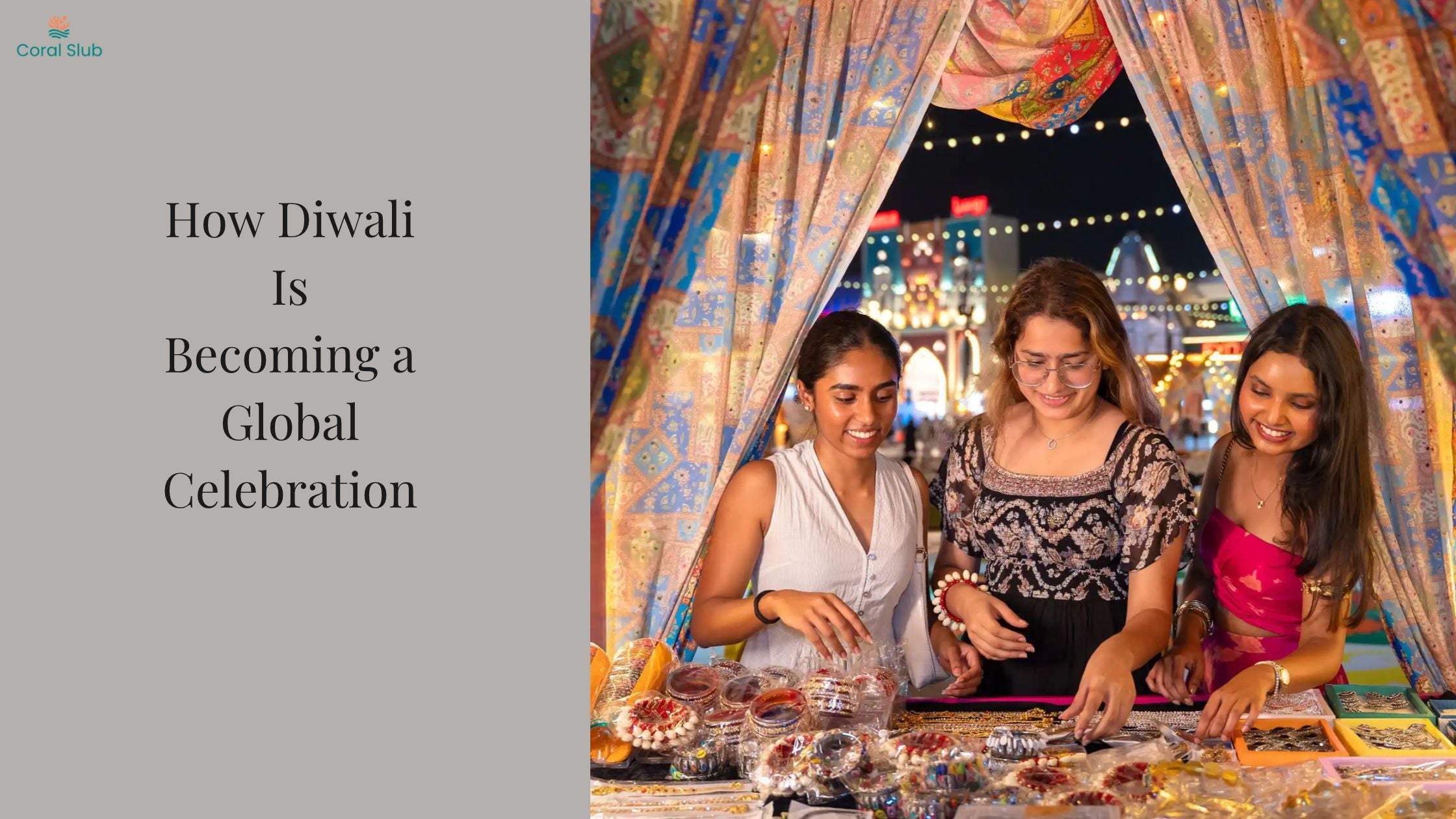
Every year, as October and November approach, millions of homes across India begin preparing for Diwali. Markets fill with festive decorations, homes are cleaned and illuminated, sweets are exchanged, and families come together to celebrate the triumph of light over darkness and good over evil.
But Diwali is no longer celebrated only within India. From the illuminated streets of Leicester in the United Kingdom to the vibrant celebrations of Little India in Singapore, the festival has become an important cultural occasion in communities across continents.
Today, Diwali is celebrated in different forms across Asia, Europe, Africa, North America, the Caribbean and the Pacific. Indian diaspora communities have carried their traditions across generations, while cultural organisations, international institutions, businesses and local communities have helped introduce the festival to wider audiences.
Its growing international presence reached another milestone in December 2025, when Deepavali was inscribed on UNESCO's Representative List of the Intangible Cultural Heritage of Humanity.
But how did an Indian festival become a global celebration? What makes Diwali meaningful to people across different countries? And how are its traditions being adapted to contemporary lifestyles?
Let's explore the journey of Diwali from Indian households to celebrations around the world.
1. The Origins of Diwali:
Why Is Diwali Celebrated?
Diwali, also known as Deepavali, is one of India's most widely celebrated festivals. The word Deepavali is commonly understood as a row or series of lamps. The festival symbolises the victory of light over darkness, knowledge over ignorance and good over evil.
For many Hindus, Diwali is associated with Lord Rama's return to Ayodhya after fourteen years of exile and his victory over Ravana. According to the Ramayana tradition, the people of Ayodhya welcomed Rama, Sita and Lakshmana by lighting rows of oil lamps.
In other parts of India, Diwali is associated with Goddess Lakshmi, who is worshipped for prosperity and good fortune. In eastern India, Kali Puja is an important observance on the new moon night, while other regions follow their own stories, rituals and traditions.
Diwali also holds significance for other religious communities. Sikhs observe Bandi Chhor Divas around this period, commemorating the release of Guru Hargobind Ji from imprisonment. For Jains, the occasion marks the nirvana of Lord Mahavira.These different traditions contribute to the festival's cultural richness and explain why Diwali can have different meanings across communities.
The Five Days of Diwali
Diwali is traditionally celebrated over several days, with each day carrying its own customs and significance. The celebrations generally include Dhanteras, Naraka Chaturdashi or Choti Diwali, Lakshmi Puja, Govardhan Puja and Bhai Dooj.
The exact observances vary across regions and communities. While some families focus on prayers and rituals, others emphasise family gatherings, festive meals, gift exchanges and home decorations.
The combination of religious traditions, family customs and community celebrations has helped Diwali remain a meaningful part of Indian cultural life.
2. How Diwali Travelled Beyond India
The Role of the Indian Diaspora
One of the most important reasons Diwali has become a global celebration is the Indian diaspora.
Over several generations, Indians migrated to countries across Southeast Asia, Africa, the Caribbean, Europe, North America and the Pacific. They carried their languages, food, religious practices, festivals and family traditions with them.
For many families living away from India, celebrating Diwali became a way of staying connected to their cultural roots. Lighting diyas, preparing traditional sweets, visiting temples and gathering with relatives helped preserve familiar customs in new surroundings.
As communities grew, private family celebrations gradually developed into larger gatherings organised by temples, cultural associations, Indian organisations and local authorities.
Today, these celebrations are often attended by people from different cultural backgrounds, making Diwali an opportunity for cultural exchange as well as community participation.
From Family Traditions to Public Celebrations
In many countries, Diwali has moved beyond individual homes and religious institutions into public spaces. City squares, shopping streets, cultural centres and community venues organise festive programmes featuring music, dance, food, decorations and traditional performances.
Indian diplomatic missions also participate in international celebrations, organising cultural events and bringing together members of the Indian diaspora and local communities.
This growing visibility has helped introduce Diwali to people who may not have previously experienced the festival, making it a recognisable part of the international cultural calendar.
3. How Diwali Is Celebrated Around the World
Diwali in the United Kingdom:
The United Kingdom is home to a large Indian-origin population, and Diwali has become an important cultural celebration in several British cities.
Leicester is particularly famous for its Diwali celebrations, especially along Belgrave Road, popularly known as the Golden Mile. Every year, the area is transformed with festive lights, decorations, music, dance performances and community events.
The celebrations attract residents and visitors from different backgrounds. Cultural performances, food stalls and illuminated streets create an atmosphere that reflects both Indian heritage and the multicultural character of the city.
London also hosts Diwali celebrations, including public cultural events in central locations. These gatherings bring together families, performers, businesses and visitors to experience the festival's traditions.
Diwali in Singapore:
Singapore is another prominent destination for Diwali celebrations. Its Little India neighbourhood becomes a centre of festive activity, with colourful decorations, illuminated streets, flower garlands and traditional shopping displays.
Serangoon Road and the surrounding areas are particularly popular during the festive season. Markets sell traditional clothing, sweets, jewellery and decorative items, while cultural organisations organise performances, workshops and community events.
For Singapore's Indian community, Diwali is an important occasion for family gatherings and religious observances. For international visitors, it offers an opportunity to experience Indian traditions within one of the world's most multicultural cities.
Diwali in the United States:
Diwali has gained considerable visibility in the United States, particularly in cities with large South Asian communities such as New York, New Jersey, Chicago and California's metropolitan areas.
Community organisations, temples, schools and cultural associations organise celebrations featuring traditional dances, music, food, fireworks where permitted and festive markets.
One important milestone in the festival's public recognition came in New York City, where public schools began observing Diwali as a school holiday in 2023. This followed years of advocacy by South Asian and Indo-Caribbean communities.
The recognition reflected the growing visibility of these communities and the importance of making the city's public calendar more representative of its diverse population.
Diwali in Canada:
Canada has a large and diverse South Asian population, and Diwali is celebrated in cities such as Toronto, Brampton, Vancouver and Calgary.
Public events often include cultural performances, traditional food, music, dance and community gatherings. Homes and public spaces are decorated with lights, while families exchange gifts and prepare festive meals.
These celebrations are also an opportunity for younger generations born outside India to learn about their cultural heritage and participate in traditions passed down by their families.
Diwali in Australia:
In Australia, Diwali celebrations are particularly visible in cities such as Melbourne and Sydney.Public festivals feature Indian food, cultural performances, traditional music, dance, craft workshops and festive markets. Large community events allow people from different backgrounds to experience the colours and traditions of the festival.
Melbourne's Federation Square has hosted prominent Diwali celebrations, while Sydney also organises community events that bring together residents and visitors.
For many Indian families living in Australia, these celebrations help maintain a connection with their heritage while introducing Australian friends and neighbours to Indian culture.
Diwali in Mauritius:
Mauritius has a significant Indian-origin population, and Diwali is an important festival in the country's cultural calendar.
Homes are decorated with rows of lamps, colourful lights and traditional decorations. Families prepare sweets, perform prayers and exchange greetings with friends and neighbours.
The festival is also observed as a public holiday, reflecting its place within the country's multicultural society.
Diwali in Mauritius demonstrates how Indian traditions have been preserved and adapted across generations while becoming part of a wider national cultural identity.
Diwali in Fiji:
Diwali has a long history in Fiji, where Indian communities have preserved the festival's traditions for generations.Families decorate their homes with diyas and electric lights, prepare traditional sweets and gather for prayers and celebrations. The festival is also recognised as a public holiday.
One of the distinctive features of Diwali in Fiji is the participation of people from different cultural and religious backgrounds. The occasion has become an opportunity for communities to share food, greetings and festive goodwill.
Diwali in Trinidad and Tobago:
In Trinidad and Tobago, Diwali is celebrated on a remarkable scale, reflecting the country's historical connection with Indian communities.One of the best-known events is Divali Nagar, a large cultural festival featuring traditional food, music, dance, religious presentations, handicrafts and exhibitions.
The event provides a platform for showcasing Indian heritage while allowing people from different backgrounds to participate in the celebrations.
The country's Diwali celebrations demonstrate how Indian cultural traditions have developed distinctive identities in the Caribbean.
4. UNESCO Recognition:
Deepavali Joins UNESCO's Intangible Cultural Heritage List
One of the most significant developments in Diwali's international recognition took place on 10 December 2025, when Deepavali was inscribed on UNESCO's Representative List of the Intangible Cultural Heritage of Humanity.
This recognition acknowledges Deepavali as a living cultural tradition that is carried forward through families, communities, rituals, crafts and collective celebrations.
Unlike the recognition of a monument or physical landmark, UNESCO's Intangible Cultural Heritage framework focuses on living traditions and the knowledge, practices and skills passed from one generation to another.
For Diwali, this includes the lighting of diyas, rangoli making, festive cooking, religious observances, community gatherings, traditional crafts and the exchange of knowledge between generations.
Why UNESCO Recognition Matters
The inscription brings greater international visibility to Deepavali and acknowledges the cultural practices and communities that keep the festival alive.
It also highlights the contributions of people whose work is essential to the celebrations, including potters who make diyas, artisans who create decorations, sweet makers, florists, performers and families who preserve traditional customs.
Importantly, UNESCO recognition is not what made Diwali a global festival. Its international presence developed over generations through communities around the world. The inscription provides an additional milestone in recognising its cultural significance and supporting its preservation.
A Recognition of Living Heritage
Diwali is not celebrated in exactly the same way everywhere. Its rituals and meanings vary according to region, religion and family tradition.
UNESCO's recognition acknowledges this diversity rather than presenting the festival as one uniform celebration. It highlights the importance of preserving the different ways in which communities continue to practise and pass on their traditions.
How Global Brands and Fashion Are Embracing Diwali
Diwali Is Becoming an International Retail and Gifting Occasion
As Diwali gains visibility across international markets, businesses are increasingly recognising the festival as an opportunity to connect with South Asian consumers and wider audiences interested in Indian culture.
Fashion labels, luxury retailers, beauty brands and lifestyle businesses introduce festive collections, special campaigns, limited-edition products and Diwali-inspired displays.
International retail markets are also paying greater attention to festive gifting, traditional Indian clothing, jewellery, home accessories and decorative products.
For global brands, Diwali offers an opportunity to celebrate craftsmanship, creativity and the cultural stories associated with Indian design.
Indian Fashion and Craftsmanship on the Global Stage
Indian designers are increasingly showcasing festive collections and traditional craftsmanship to international audiences. From embroidered textiles and handwoven fabrics to contemporary sarees and modern occasion wear, Diwali has become an important moment for presenting Indian design.
International fashion events, retail partnerships and designer showcases help introduce Indian craftsmanship to customers who may be discovering these traditions for the first time.
The growing interest in Indian textiles, jewellery and festive fashion also reflects the influence of the global Indian diaspora and the demand for products that combine cultural identity with contemporary design.
Social Media Is Taking Diwali Celebrations Across Borders
Instagram, YouTube and Digital Communities
Social media has changed the way people experience festivals. Diwali celebrations are no longer limited to the people present at a gathering. Families can share photographs and videos with relatives across continents, while creators and cultural organisations introduce their celebrations to international audiences.
Instagram posts featuring rangoli designs, festive outfits, home decorations, diyas and traditional recipes provide inspiration to people everywhere.
YouTube videos offer tutorials on making sweets, creating rangoli, decorating homes and understanding the significance of different rituals. These digital resources also help younger generations learn about customs that may not be practised regularly in their immediate surroundings.
Bollywood and Indian Entertainment's Global Influence
Indian cinema and entertainment have also contributed to Diwali's international visibility. Films, television programmes and celebrity celebrations often feature festive scenes filled with traditional outfits, lights, decorations and family gatherings.
These portrayals introduce international audiences to the visual beauty of Indian festivals. They also inspire people to experiment with festive clothing, traditional food, gifting and home décor.
As Indian entertainment reaches viewers across streaming platforms, Diwali becomes familiar to audiences who may not have experienced the festival firsthand.
Diwali Home Décor Is Finding Appreciation Beyond India
The Appeal of Indian Festive Aesthetics
One of the most recognisable aspects of Diwali is the way homes and public spaces are decorated. From rows of traditional diyas to colourful rangoli patterns, flowers and decorative textiles, the festival creates a distinctive visual atmosphere.
These elements have also attracted interest among international audiences who appreciate the colours, patterns and craftsmanship associated with Indian home styling.
Traditional brass accents, hand-painted diyas, embroidered textiles, decorative cushions and patterned table linen can bring an Indian-inspired festive aesthetic into contemporary interiors.
Bringing Indian Textiles into Global Homes
Indian textiles have a distinctive place in the world of home décor. Block printing, embroidery, handloom weaving and traditional regional patterns offer design possibilities that combine craftsmanship with contemporary styling.
Cushion covers, table runners, bedsheets and decorative textiles inspired by Indian traditions can introduce colour and character into homes across different design styles.
For Diwali, these pieces can help create a festive dining table, a welcoming living room or a beautifully styled bedroom. Beyond the celebrations, they can remain part of everyday interiors.
At Coral Slub, the appeal of Indian-inspired home furnishings lies in bringing traditional colours, patterns and craftsmanship into contemporary living spaces. The idea is to celebrate India's design heritage through textiles that can be enjoyed throughout the year.
Conclusion:
Diwali's journey from Indian households to international celebrations is a story of migration, cultural preservation, creativity and community.
From Leicester's illuminated Golden Mile and Singapore's Little India to the cultural celebrations of Mauritius, Fiji, Australia, Canada and the Caribbean, the festival has become a recognisable part of the global cultural calendar.
Its growing international presence reflects the efforts of generations of Indian communities who have carried their traditions across borders. Global entertainment, social media, fashion, retail and cultural organisations have further introduced the festival to new audiences.
The 2025 UNESCO recognition of Deepavali adds another important chapter to this journey, acknowledging the living heritage, craftsmanship and community traditions that sustain the festival.
Yet, at its heart, Diwali remains a celebration of light, togetherness, gratitude and new beginnings. Whether it is observed in a small family home in India or a public square thousands of miles away, the meaning of lighting a diya continues to bring people together.
Because the beauty of Diwali is not limited by geography. Its light travels wherever people carry its traditions.
Frequently Asked Questions About Diwali Around the World
1. Is Diwali celebrated outside India?
Yes. Diwali is celebrated in many countries, including the United Kingdom, Singapore, Malaysia, Nepal, Mauritius, Fiji, Trinidad and Tobago, the United States, Canada and Australia. Indian diaspora communities have played a major role in preserving and sharing the festival's traditions.
2. Which country has the biggest Diwali celebrations outside India?
There is no single official ranking of the largest celebrations. Leicester in the United Kingdom, Singapore's Little India, Mauritius, Fiji and Trinidad and Tobago are among the places known for prominent public Diwali events.
3. Is Diwali an international public holiday?
Diwali is an official public holiday in several countries, including Nepal, Singapore, Malaysia, Mauritius, Fiji and Trinidad and Tobago, although the exact arrangements vary. In many other countries, it is celebrated through community events, religious gatherings and local cultural programmes without being a nationwide public holiday.