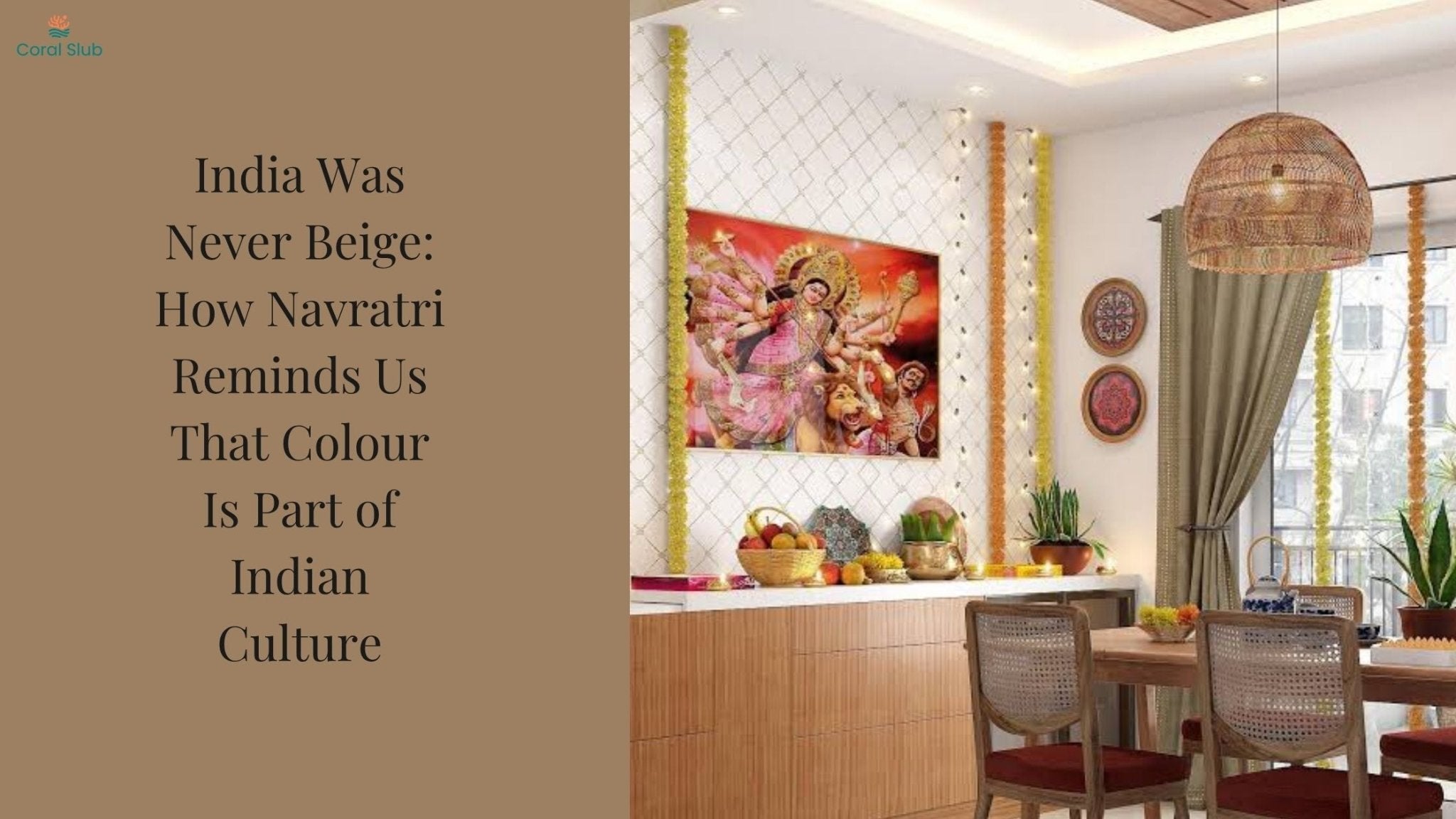
India's calendar is filled with festivals, cultural celebrations and national holidays that bring families and communities together. From the harvest festivities of January to the vibrant celebrations of Diwali in October and Christmas in December, every season offers an opportunity to travel, reconnect with loved ones and experience the country's cultural diversity.
The 2027 Indian holiday calendar is useful for anyone planning annual leave, family holidays, religious observances or festive gatherings. Knowing the dates of major festivals in advance can also help you organise travel, prepare for celebrations and make the most of long weekends throughout the year.
Although some holidays are observed nationally, others vary by state, religion and regional tradition. Here is a month-by-month guide to important Indian festivals and holidays in 2027, along with tips for planning your year.
January 2027:
January begins with New Year's Day on 1 January, followed by a series of celebrations associated with harvest, gratitude and new beginnings. Makar Sankranti, Pongal, Lohri and Magh Bihu are among the important seasonal festivals observed in different parts of India. Their dates and observances may vary by regional calendar.
Makar Sankranti, Pongal and Magh Bihu
Makar Sankranti celebrates the Sun's transition into Capricorn and is associated with harvest traditions, seasonal foods and prayers for prosperity. Pongal, celebrated primarily in Tamil Nadu, honours the harvest and expresses gratitude for nature and agricultural abundance. In Assam, Magh Bihu marks the harvest season with community feasts, traditional foods and cultural gatherings.
These festivals highlight India's agricultural heritage and the importance of celebrating the relationship between people, nature and food.
Republic Day
India celebrates Republic Day on 26 January 2027, Tuesday, commemorating the adoption of the Constitution on 26 January 1950. Official ceremonies, flag hoisting, cultural performances and the Republic Day parade make this one of the country's most significant national occasions.
For people who have weekends off, taking Monday, 25 January, as leave could create a four-day break from Saturday, 23 January, to Tuesday, 26 January.
February 2027:
February offers opportunities to celebrate knowledge, devotion and India's cultural heritage. Vasant Panchami, expected on 11 February 2027 in widely published Hindu calendars, marks the arrival of spring and is associated with Goddess Saraswati, the Hindu deity of knowledge, learning and the arts.
Vasant Panchami and the Celebration of Knowledge
Vasant Panchami is observed through prayers, cultural activities and offerings associated with learning and creativity. In many communities, students and teachers seek blessings for academic progress and artistic development.
The festival is also associated with the colour yellow, which symbolises spring, vitality and prosperity in many traditions.
Planning February Holidays
February does not have a major nationwide fixed-date holiday comparable to Republic Day or Independence Day. However, regional observances and religious festivals may provide opportunities for local celebrations. Check your state holiday notification and workplace calendar before making plans.
March 2027:
March is expected to be one of the busiest months for festival celebrations in 2027, with Hindu observances, Eid al-Fitr, Holi and Christian traditions appearing on the calendar.
Maha Shivaratri
Maha Shivaratri is expected on 6 March 2027 in widely published Indian festival calendars. Dedicated to Lord Shiva, the occasion is observed through prayers, temple visits, fasting and night-long worship in many communities.
The specific rituals differ according to regional customs and family traditions.
Eid al-Fitr
Eid al-Fitr is provisionally expected around 10 March 2027. It marks the conclusion of Ramadan, the Islamic month of fasting, prayer and reflection. Families and friends gather for prayers, festive meals, charitable giving and visits to loved ones.
The final date depends on the sighting of the moon and announcements by the relevant religious authorities.
Holi: The Festival of Colours
Holi is expected on 22 March 2027, with Holika Dahan traditionally taking place on the preceding evening, subject to local panchang timings. The festival celebrates spring, joy and the triumph of good over evil.
Across India, celebrations may include coloured powders, music, festive foods and community gatherings. The customs vary from region to region, giving Holi a distinctive character in different parts of the country.
Good Friday and Easter
Good Friday falls on 26 March 2027, followed by Easter Sunday on 28 March 2027. Good Friday commemorates the crucifixion of Jesus Christ, while Easter celebrates his resurrection. Church services, prayer and family gatherings form an important part of these observances.
With Holi falling on a Monday and Good Friday on a Friday, March offers two potential opportunities for extended breaks, depending on your usual days off and local holiday rules.
April 2027:
April is a particularly important month for regional festivals across India. It brings celebrations associated with new beginnings, the harvest, religious devotion and the start of regional calendars.
Ugadi and Gudi Padwa
Ugadi and Gudi Padwa are expected on 7 April 2027. Ugadi is celebrated as the traditional New Year in parts of southern India, while Gudi Padwa marks the New Year for many Maharashtrian communities.
Homes are cleaned and decorated, festive dishes are prepared, and families gather to welcome the year ahead. The celebrations reflect hope, renewal and the importance of family traditions.
Baisakhi, Vishu and Bohag Bihu
Mid-April brings several important regional festivals. Baisakhi and Vishu are expected on 14 April, while Bohag Bihu in Assam is associated with the Assamese New Year and the arrival of spring. Published calendars place Bohag Bihu's main New Year celebration around 14 or 15 April, depending on the calendar and observance.
Bohag Bihu is especially significant in Assam, where traditional music, dance, festive food and community gatherings celebrate renewal and the agricultural cycle. For travellers, it can be a wonderful time to experience Assamese culture and hospitality.
Rama Navami and Mahavir Jayanti
Rama Navami is expected on 15 April 2027 and commemorates the birth of Lord Rama. Mahavir Jayanti, expected on 19 April 2027, celebrates the birth of Lord Mahavira and is an important occasion for Jain communities.
April's combination of regional New Year celebrations and religious festivals makes it a meaningful month for cultural travel and family gatherings.
May 2027:
May brings religious observances and opportunities for reflection, generosity and togetherness.
Eid al-Adha
Eid al-Adha is provisionally expected around 17 May 2027, although the date may change according to moon sighting and local announcements. The festival commemorates the values of faith, sacrifice and generosity. Prayer, sharing food and supporting those in need are central to its observance.
Where the holiday is observed on the Monday, it may create a long weekend for people who have Saturday and Sunday off.
Buddha Purnima
Buddha Purnima is expected on 20 May 2027. The occasion commemorates key events associated with Gautama Buddha's life and teachings. Devotees may visit monasteries and temples, meditate, participate in prayers and engage in acts of kindness.
The festival offers an opportunity to reflect on compassion, mindfulness and the pursuit of wisdom.
June 2027:
June is a useful month to plan school holidays, family visits and summer travel, although the weather varies significantly across India.
Muharram
Muharram, an important month in the Islamic calendar, is expected around 15 or 16 June 2027 in published calendars. The date of Ashura, the tenth day of Muharram, is subject to moon sighting and regional announcements.
Observances differ among Muslim communities. For many, the period is marked by prayer, remembrance and reflection.
Planning a June Getaway
For families planning a summer break, June can be an opportunity to explore hill stations, nature destinations or cooler regions. Travellers should consider local weather conditions, school calendars, transport availability and seasonal advisories before finalising a trip.
July 2027:
July brings the monsoon season to many parts of India, along with festivals rooted in devotion and community traditions.
Jagannath Rath Yatra
Jagannath Rath Yatra is expected on 5 July 2027. The festival is particularly associated with Puri in Odisha, where large chariots carrying Lord Jagannath and his siblings are taken through the streets amid prayers and celebrations.
The event attracts pilgrims and visitors from across India and beyond. Other regions also hold Rath Yatra celebrations, each reflecting local customs and devotional practices.
Making the Most of July
July can be a rewarding time to explore India's monsoon landscapes, but travel plans should account for heavy rainfall, possible transport delays and local weather conditions. If attending a festival, check official event information and accommodation availability well in advance.
August 2027:
August combines national pride with celebrations of family bonds and devotion.
Independence Day
India celebrates Independence Day on 15 August 2027, Sunday, marking the country's independence from British rule in 1947. Flag hoisting, cultural programmes and patriotic events take place across the country.
Since Independence Day falls on a Sunday in 2027, whether an additional day off is available will depend on your workplace or institution's holiday policy.
Raksha Bandhan
Raksha Bandhan is expected on 17 August 2027, Tuesday. The festival celebrates the bond between siblings and is traditionally marked by the tying of a rakhi, the exchange of gifts and family gatherings.
Although its customs have evolved, the festival continues to be an occasion for expressing affection, care and appreciation for family relationships.
Krishna Janmashtami
Krishna Janmashtami is expected on 25 August 2027. The festival celebrates the birth of Lord Krishna and is observed through prayers, devotional songs, fasting and temple celebrations. In some regions, Dahi Handi events and dramatic performances bring communities together.
August is therefore an important month for both national remembrance and cultural celebrations.
September 2027:

September brings festivals that celebrate devotion, prosperity, harvest traditions and community spirit.
Ganesh Chaturthi
Ganesh Chaturthi is expected on 4 September 2027. Dedicated to Lord Ganesha, the festival begins with the installation of Ganesha idols and continues with prayers, offerings and cultural programmes. In many places, celebrations conclude with the immersion of idols according to local traditions.
Mumbai and other parts of Maharashtra are especially known for large public celebrations, while families and communities across India observe the festival in different ways.
Onam
Onam is expected around 12 September 2027 in widely published calendars. This major festival of Kerala celebrates the legendary King Mahabali and the state's cultural heritage. Traditional feasts known as Onam Sadya, floral decorations called pookalam, boat races and cultural performances are associated with the celebrations.
Because festival dates can depend on regional calendars and observances, travellers should confirm local event schedules before booking.
October 2027:
October is one of the most festival-rich months of 2027. Across India, communities prepare for celebrations featuring worship, dance, family gatherings, festive meals and home decorations.
Navratri and Durga Puja
Sharad Navratri is expected to begin around 30 September 2027, continuing into October. The nine-night festival honours the Goddess in her different forms. Garba and Dandiya Raas are central to celebrations in Gujarat and other regions, while many households observe prayers and rituals at home.
Durga Puja is especially significant in West Bengal and neighbouring regions. Elaborate pandals, artistic idols, cultural programmes and community gatherings make it one of India's most distinctive festive experiences.
Dussehra
Dussehra, also known as Vijayadashami, falls on 9 October 2027 in widely published calendars. The festival is associated with the triumph of good over evil and is celebrated through Ramlila performances, the burning of Ravana effigies in many places and other regional traditions.
In parts of eastern India, the period concludes with Durga Puja celebrations and the immersion of Goddess Durga's idols.
Karwa Chauth
Karwa Chauth is expected on 18 October 2027. Traditionally observed by many married Hindu women, the festival includes fasting, prayers and rituals associated with marital well-being. Families may prepare festive meals and decorate their homes for the occasion.
The customs vary by region and household, and contemporary celebrations often include family gatherings and thoughtful gifts.
Diwali: The Festival of Lights
Diwali is expected on 29 October 2027, with related celebrations extending across several days. The festival is associated with light, prosperity, renewal and the triumph of good over evil. Homes are cleaned and decorated with lamps, rangoli, flowers and festive lighting, while families exchange sweets and gifts.
For many households, Diwali is also a time to refresh living spaces and prepare for guests. Simple touches such as clean table linen, decorative cushions, fresh flowers and warm lighting can help create a welcoming festive atmosphere.
Because Diwali observances and related holidays can vary by state, confirm the dates and local timings before planning celebrations or travel.
November 2027:
November continues the festive season with celebrations centred on gratitude, faith and community.
Chhath Puja
Chhath Puja is expected around 4 November 2027 in widely published calendars. Dedicated to the Sun God and Chhathi Maiya, the festival is observed particularly in Bihar, Jharkhand, eastern Uttar Pradesh and among communities elsewhere in India.
Devotees undertake rituals involving fasting, offerings and prayers at rivers, ponds and other water bodies. The festival is known for its emphasis on discipline, gratitude and reverence for nature.
Guru Nanak Jayanti
Guru Nanak Jayanti is expected on 14 November 2027, subject to the relevant Sikh calendar. It commemorates the birth of Guru Nanak Dev Ji, the founder of Sikhism. Celebrations include prayers, devotional singing, processions and langar, the community meal served to people regardless of background.
November's festivals highlight the role of service, equality, gratitude and collective participation in India's cultural life.
December 2027:
December brings the year to a close with Christmas, winter holidays and New Year preparations.
Christmas
Christmas falls on 25 December 2027, Saturday. Christians around the world celebrate the birth of Jesus Christ through church services, prayers, carols, festive meals and family gatherings. Decorations such as Christmas trees, lights, wreaths and nativity displays are common in homes, churches and public spaces.
In India, Christmas is celebrated with distinctive regional traditions, from Goa's festive atmosphere to church celebrations and community gatherings across the Northeast and other parts of the country.
Planning the End of the Year
December is a popular period for family holidays, reunions and year-end travel. Since Christmas falls on a Saturday in 2027, the length of any break will depend on your regular weekend and leave arrangements. Booking transport and accommodation early can be helpful, particularly for popular holiday destinations.
How to Plan Your 2027 Holidays Efficiently
Check Your State's Official Holiday Calendar
India does not have one identical public holiday list for every state and workplace. National holidays, central government holidays, state-specific holidays, restricted holidays and religious observances may differ. Consult the official government holiday calendar for your state and the relevant circular issued by your employer or educational institution.
Book Festival Travel Early
Major festivals can bring increased demand for trains, flights and accommodation. If you plan to visit family or attend a large celebration, booking early and allowing flexibility for travel delays can make the experience smoother.
Keep Lunar Dates Flexible
Some Islamic festivals depend on moon sighting, while Hindu festival observances may vary according to regional panchangs and local timings. Treat dates marked as tentative as provisional and verify them closer to the occasion.
Balance Travel with Local Celebrations
Not every holiday needs to become a trip. Festivals can also be an opportunity to spend time with family, explore local traditions, prepare traditional recipes or create meaningful rituals at home. Planning a mix of travel, rest and time with loved ones can help make the year more rewarding.
Conclusion:
The 2027 Indian holiday calendar offers many opportunities to celebrate the country's rich cultural diversity, from harvest festivals and regional New Years to Holi, Independence Day, Durga Puja, Diwali and Christmas. Whether you are planning a family trip, scheduling annual leave or preparing for religious and cultural occasions, knowing the major dates can help you organise your year with greater confidence.
Use this calendar as a starting point, then confirm dates against official state notifications and local festival announcements. With a little advance planning, you can make more room for meaningful celebrations, memorable journeys and time with the people who matter most.
Frequently Asked Questions About the 2027 Indian Holiday Calendar
1.When is Holi in 2027?
Holi is expected on Monday, 22 March 2027. Holika Dahan is generally observed on the preceding evening, with exact timings depending on local panchang guidance.
3. When is Eid al-Fitr in 2027?
Eid al-Fitr is provisionally expected around 10 March 2027. The final date depends on moon sighting and announcements by the relevant religious authorities.
4.When is Diwali in 2027?
Diwali is expected on Friday, 29 October 2027. Related celebrations, including Govardhan Puja and Bhai Dooj, are expected over the following days, subject to local observance.