Have you ever looked at a beautifully furnished room and felt that something was missing? The furniture is in place, the colours complement each other, and the décor looks coordinated. Yet, the space somehow feels flat or incomplete.
The missing element might be texture.
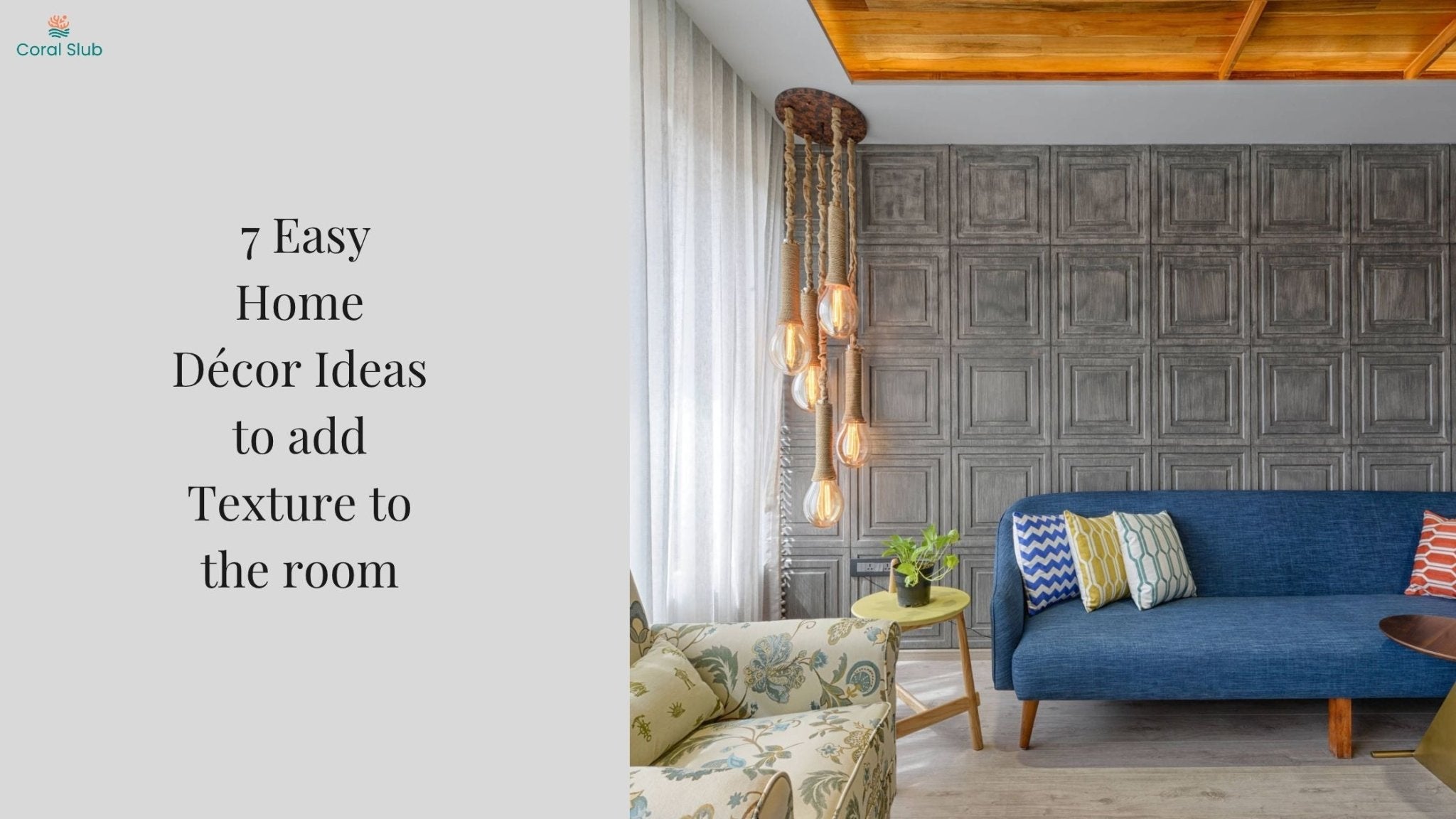
Texture is one of the most effective ways to make a room feel layered, inviting and visually interesting. It adds depth to interiors, creates contrast and brings together different elements of a space. From soft cotton cushion covers and embroidered fabrics to wooden furniture and woven accessories, even small details can make a noticeable difference.
The best part? You do not need to renovate your home or invest in expensive furniture to introduce texture. A few thoughtful additions can completely change how a room looks and feels.
Here are seven easy ways to add texture to your home décor.
What Is Texture in Interior Design?
Understanding Tactile and Visual Texture
Texture refers to the surface quality of an object and how it looks or feels. In interior design, it is broadly understood through two categories: tactile texture and visual texture.
Tactile texture refers to the actual physical surface of a material. It is what you experience when you touch a soft cotton bedsheet, a rough jute rug, a smooth marble tabletop or an embroidered cushion cover.
Visual texture refers to the appearance of texture. It creates the impression of depth and surface variation through colours, prints, patterns and finishes. For example, a block-printed cushion cover can introduce visual texture through its intricate motifs, even if the fabric itself feels relatively smooth.
A thoughtfully designed room uses both. Combining different surfaces and visual details creates an interior that feels more complete and interesting.
Why Is Texture Important in Home Décor?
1. It Adds Depth to a Room
A room decorated using only smooth surfaces and similar materials can sometimes feel flat. Introducing different textures creates layers and gives the eye more details to explore.
For instance, a neutral sofa can look more inviting with embroidered cushions, a textured throw and a wooden coffee table.
2. It Creates Contrast and Balance
Texture helps balance different elements within a room. Pairing soft fabrics with harder surfaces, or matte finishes with subtle shine, creates contrast without relying entirely on colour.
A combination of cotton, wood, metal and natural fibres can make even a simple room feel thoughtfully styled.
3. It Makes a Space Feel More Inviting
Texture also influences how comfortable a space appears. Soft cushions, layered bedding, plush throws and natural fabrics can create a warm and welcoming atmosphere.
This is particularly useful in bedrooms and living rooms, where comfort is just as important as appearance.
7 Easy Ways to Add Texture to a Room
1. Layer Different Fabrics
One of the easiest ways to introduce texture is through fabric layering.Instead of choosing identical materials for every element, combine fabrics with different surface qualities. Pair cotton cushion covers with embroidered cushions, add a quilted throw to your sofa or layer different bedding textures in your bedroom.
For example, a neutral sofa can be styled with printed cotton cushions, a textured cushion and a soft throw. The different materials create visual interest without making the arrangement look overly busy.
The trick is to combine textures that complement one another rather than introducing too many competing elements.
2. Use Cushion Covers to Add Texture
Cushion covers are one of the simplest and most versatile ways to refresh a room.
They introduce colour, pattern and texture without requiring major changes to your furniture. Try mixing block prints, embroidery, quilted designs and different fabric finishes.
You can also experiment with cushion sizes and shapes to create a more layered arrangement.
For a balanced look, choose a common colour palette and vary the textures within it. For instance, combine earthy-toned printed cushions with embroidered details and a solid-coloured cushion.
This creates a coordinated arrangement while allowing each piece to contribute something different.
3. Introduce Natural Materials
Natural materials bring warmth and character to interiors.Wood, jute, cane, bamboo, stone and woven fibres each have distinctive surface qualities. Their natural variations make them interesting additions to both modern and traditional spaces.
Consider a wooden coffee table, a woven basket, a jute rug or a cane accent chair. Even a small natural element can create contrast against smooth walls, glass surfaces or contemporary furniture.
Natural materials also work beautifully with cotton textiles and Indian-inspired prints.
4. Experiment with Patterns and Prints
Texture does not always have to be physical. Patterns and prints can create visual texture and make a room more dynamic.
Block prints, Ikat patterns, geometric designs, floral motifs and embroidered details can introduce character into otherwise simple interiors.
The key is to avoid using too many competing patterns. Start with one prominent print and combine it with smaller patterns or solid-coloured fabrics that share a similar colour palette.
For example, a printed table runner can become the focal point of a dining table when paired with simple tableware and understated accessories.
5. Add Throws, Quilts and Layered Bedding
Bedrooms offer plenty of opportunities to experiment with texture.Start with your bedsheet and build layers using pillow covers, quilts and throws. Combining different fabrics and finishes can make the bed look more inviting and visually complete.
A simple cotton bedsheet paired with a quilted layer and textured cushions creates depth without requiring an elaborate colour scheme.
In the living room, a throw casually placed over an armchair or sofa can introduce another layer of texture while adding comfort.
6. Bring in Plants and Decorative Accessories
Plants and decorative accessories add variety to a room through their shapes, surfaces and natural forms.The glossy leaves of an indoor plant, the rough finish of a ceramic vase, the woven surface of a basket and the smooth finish of a decorative tray all contribute different textures.
Choose accessories that complement the materials already present in your room. A ceramic vase can work beautifully with wooden furniture, while woven baskets can soften a space filled with smooth and polished surfaces.
Remember that accessories should complement the room rather than compete for attention.
7. Use Lighting to Highlight Texture
Lighting can change how textures appear within a room.Soft, warm lighting can bring out the depth of textured fabrics, wooden finishes and decorative surfaces. Directional lighting can also create shadows that highlight the details of textured walls, furniture and accessories.
Consider using table lamps, floor lamps or wall lights to create layers of illumination.
A textured cushion or embroidered fabric may look quite different under natural daylight compared to warm evening lighting. Experiment with light placement to highlight the details you want to draw attention to.
How to Mix Textures Without Making a Room Look Cluttered
Follow a Consistent Colour Palette
When mixing several textures, colour can help bring everything together. Choose two or three dominant colours and introduce different materials and patterns within that palette.
Balance Rough and Smooth Surfaces
Avoid using only one type of texture. Pair smooth surfaces with softer fabrics, or combine polished furniture with natural woven accessories.
Vary the Scale of Patterns
If you are using multiple prints, mix larger motifs with smaller patterns and solid colours. This creates visual variety without overwhelming the space.
Leave Some Breathing Room
Not every corner needs a decorative element. Allowing some surfaces and spaces to remain simple helps the textured pieces stand out.
Conclusion:
Texture is one of the simplest ways to transform an ordinary room into a space that feels warm, inviting and thoughtfully designed. It adds depth to neutral interiors, creates contrast between different materials and brings personality to even the simplest corners of your home.
You do not need an elaborate makeover to make a difference. Start small with printed cushion covers, embroidered accents, layered bedsheets or a textured table runner. Experiment with fabrics, natural materials and patterns until you find a combination that reflects your personal style.
At the end of the day, good interior styling is not just about choosing beautiful furniture or the right colour palette. It is about bringing together different elements that make a space feel complete.
Sometimes, all your home needs is a little more texture.Because a beautiful home is not just about how it looks. It is also about how it feels.
Frequently Asked Questions
1. How can I add texture to a room easily?
Start with soft furnishings such as cushion covers, throws, rugs and curtains. Introduce different fabrics, patterns and natural materials to create depth without changing your furniture.
2. What are the best textures for home décor?
Cotton, linen, embroidery, quilted fabrics, wood, jute, cane, stone and ceramics are popular choices. Combining different materials creates contrast and visual interest.
3. How do I mix different textures in a living room?
Combine soft fabrics with natural materials and harder surfaces. For example, pair printed cotton cushions with a quilted throw, a wooden coffee table and a woven rug. Keep the colour palette consistent for a balanced look.