Govardhan Puja is one of the most meaningful celebrations that follows Diwali. Dedicated to Lord Krishna and the sacred Govardhan Hill, the festival celebrates the victory of faith over arrogance, the importance of nature and the blessings of food and abundance.
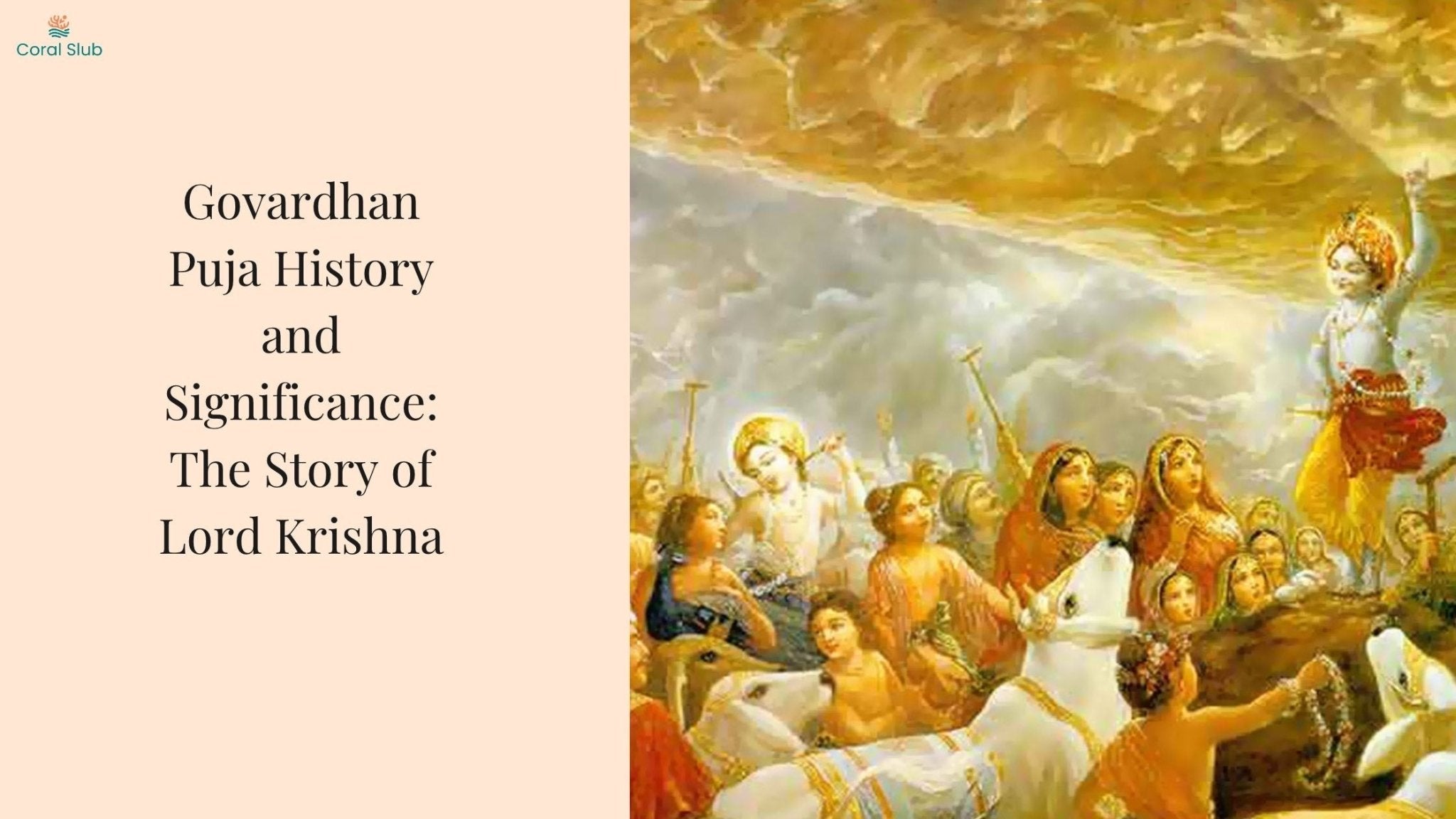
Also known as Annakut Puja, Govardhan Puja is observed with prayers, elaborate food offerings, decorated Govardhan representations and devotional celebrations. The festival is deeply connected to the story of young Lord Krishna lifting Govardhan Hill to protect the people and cattle of Vrindavan from torrential rains sent by Lord Indra.
But Govardhan Puja is more than a remembrance of a mythological event. It carries an enduring message about gratitude towards nature, respect for agriculture, care for animals and the importance of sharing food. In 2026, Govardhan Puja will be celebrated on Tuesday,10 November.
Let's explore the history, mythology, rituals and spiritual significance of Govardhan Puja and understand why it continues to hold a special place in India's festive traditions.
What Is Govardhan Puja and Why Is It Celebrated?
Understanding the Festival of Govardhan Puja
Govardhan Puja is a Hindu festival celebrated on Kartik Shukla Pratipada, the first day of the bright fortnight in the Hindu month of Kartik. It usually falls the day after Diwali, although its observance can vary according to the lunar calendar and regional traditions.
The festival commemorates Lord Krishna's divine act of lifting Govardhan Hill to protect the residents of Vrindavan from heavy rainfall and flooding. Devotees worship Lord Krishna, honour Govardhan Hill and express gratitude for the natural resources that sustain life.
Govardhan Puja is particularly significant in the Braj region of Uttar Pradesh, which includes Mathura, Vrindavan and Govardhan. However, the festival is celebrated in many other parts of India through different customs and rituals.
Why Is It Also Called Annakut?
The word Annakut comes from two Sanskrit words: Anna, meaning food or grain, and Kuta, meaning heap or mountain. Together, the term refers to a mountain of food offered to Lord Krishna.
On this occasion, devotees prepare a variety of vegetarian dishes, sweets, rice preparations, vegetables and other delicacies. These are arranged in the form of a large food offering, symbolising Govardhan Hill.
The Annakut offering expresses gratitude for food, agriculture and the abundance provided by nature. After the prayers, the food is distributed as prasad among devotees and visitors.
The History of Govardhan Puja:
Why Did Lord Krishna Ask the People of Vrindavan to Worship Govardhan Hill?
According to Hindu mythology, the people of Vrindavan traditionally performed a grand ritual to worship Lord Indra, the deity associated with rain, thunder and storms. They believed that pleasing Indra would bring timely rainfall, healthy crops and prosperity to their village.
One year, young Lord Krishna questioned the villagers about their preparations. He asked his father, Nanda Maharaj, why they were worshipping Indra instead of appreciating the natural resources that directly supported their lives.
Krishna explained that the people of Vrindavan depended on Govardhan Hill, its forests, grasslands and water sources for their livelihood. The hill provided nourishment for their cattle, while the surrounding land supported farming and everyday life.
He encouraged the villagers to honour Govardhan Hill, their cattle and the natural environment that sustained them.
Convinced by Krishna's words, the residents of Vrindavan decided to prepare offerings for Govardhan Hill instead of performing their customary ritual for Indra.
Why Did Lord Indra Become Angry?
When Lord Indra learned that the people of Vrindavan had stopped performing the traditional worship in his honour, he became furious. He considered Krishna's actions an insult and decided to punish the villagers.
Indra summoned powerful storm clouds and unleashed torrential rain, thunder and strong winds over Vrindavan. The rainfall continued relentlessly, threatening the homes, cattle and lives of the villagers.
The residents were frightened and had nowhere to seek shelter. Seeing their distress, they turned to Lord Krishna for protection.
How Did Lord Krishna Lift Govardhan Hill?

To protect the people of Vrindavan, Lord Krishna lifted the enormous Govardhan Hill with the little finger of his left hand. He held it above the ground like a giant umbrella, providing shelter to the villagers, their families and their cattle.
For seven days and seven nights, the people remained safely beneath the hill while the storm continued outside. Krishna stood holding the mountain effortlessly, reassuring everyone and protecting them from the rain.
Eventually, Lord Indra realised that his immense power could not overcome Krishna. He understood his mistake, withdrew the storm clouds and acknowledged Krishna's divine greatness.
The story is remembered as an example of divine protection, humility and the triumph of faith over arrogance. It is the central mythological account associated with Govardhan Puja.
The Importance and Spiritual Significance of Govardhan Puja
1. Celebrating the Protection of Nature
One of the most important messages of Govardhan Puja is the need to respect and protect nature. Through the story of Govardhan Hill, Lord Krishna teaches the villagers to appreciate the forests, hills, rivers, grasslands and natural resources that support their lives.
The festival reminds us that human well-being is closely connected to the environment. Clean water, fertile soil, healthy forests and a balanced ecosystem are essential for survival.
In today's world, this message is especially relevant as environmental conservation and sustainable living become increasingly important.
2. Expressing Gratitude Towards Food and Agriculture
Govardhan Puja is closely associated with agriculture and the importance of food in everyday life. The Annakut offering represents gratitude for the harvest, the farmers who grow food and the natural resources that make agriculture possible.
The festival encourages people to recognise that food is not merely something we consume. It is the result of nature's generosity and the hard work of countless people.
By offering food to Lord Krishna and sharing it as prasad, devotees express gratitude for nourishment and abundance.
3. Respecting Cattle and Animal Welfare
Cows and cattle play an important role in the Govardhan Puja tradition. In the pastoral communities of Vrindavan, cattle provided milk and supported agricultural activities, making them essential to everyday life.
The festival highlights the close relationship between Lord Krishna, cattle and the pastoral traditions of Braj. Krishna is also lovingly known as Gopal and Govinda, names associated with his connection to cows and cowherds.
Worshipping and caring for cattle during the festival reminds devotees of the importance of compassion towards animals and respect for the living beings that support rural communities.
4. The Victory of Humility Over Arrogance
The story of Lord Indra and Krishna carries an important lesson about humility.
Indra's anger arose from his belief that he deserved unquestioning worship. However, when he witnessed Krishna's divine power and the protection offered to the villagers, he recognised his mistake.
The story teaches that pride and arrogance can cloud judgement, while humility allows individuals to recognise their limitations and learn from their mistakes.
Govardhan Puja reminds us that true greatness lies in compassion, responsibility and service rather than power or status.
5. The Importance of Community and Togetherness
The people of Vrindavan came together during the storm and sought shelter beneath Govardhan Hill. The story highlights the strength of community and the importance of standing together during difficult times.
Similarly, Govardhan Puja brings families and communities together through prayers, food preparation, celebrations and the distribution of prasad.The festival reinforces the idea that sharing resources, supporting one another and celebrating together create stronger communities.
How Is Govardhan Puja Celebrated in India?
 1. Worshipping Govardhan Hill in Braj
The Braj region of Uttar Pradesh is one of the most important centres of Govardhan Puja celebrations. Devotees visit Govardhan Hill, offer prayers and perform the traditional Govardhan Parikrama.
The parikrama involves walking around the sacred hill as an act of devotion. Pilgrims visit temples, shrines and sacred spots along the route, singing devotional songs and remembering Lord Krishna's association with Govardhan.For many devotees, completing the parikrama is an expression of faith and gratitude.
2. Making Govardhan Hill from Cow Dung
In many Indian households, a symbolic representation of Govardhan Hill is created using cow dung. The mound is decorated with flowers, leaves, small figures and other traditional elements.
Families offer prayers, flowers, sweets and food to this symbolic hill, remembering Krishna's divine act of protection.The practice also reflects the traditional importance of cattle and the use of natural materials in rural households.
3. Preparing Annakut and Chhappan Bhog
One of the most beautiful aspects of Govardhan Puja is the preparation of Annakut. Temples and households prepare numerous dishes and arrange them together as a mountain of food.
In many Krishna temples, particularly those following the Pushtimarg tradition, the offering includes Chhappan Bhog, a collection of 56 food preparations offered to Lord Krishna.
These offerings may include sweets, savoury snacks, rice, vegetables, fruits, milk-based preparations and traditional delicacies.After the puja, the food is distributed among devotees as prasad, symbolising generosity, gratitude and the joy of sharing.
4. Performing Govardhan Parikrama
Govardhan Parikrama is an important devotional practice in the Braj region. Devotees walk around Govardhan Hill, covering a route of approximately 21 kilometres.
Some pilgrims complete the journey on foot, while others perform it through traditional forms of prostration. The practice is considered an expression of devotion to Lord Krishna and reverence for the sacred hill.During Govardhan Puja, the number of visitors and devotees in the region increases as people gather for prayers and celebrations.
5. Decorating Homes and Offering Prayers
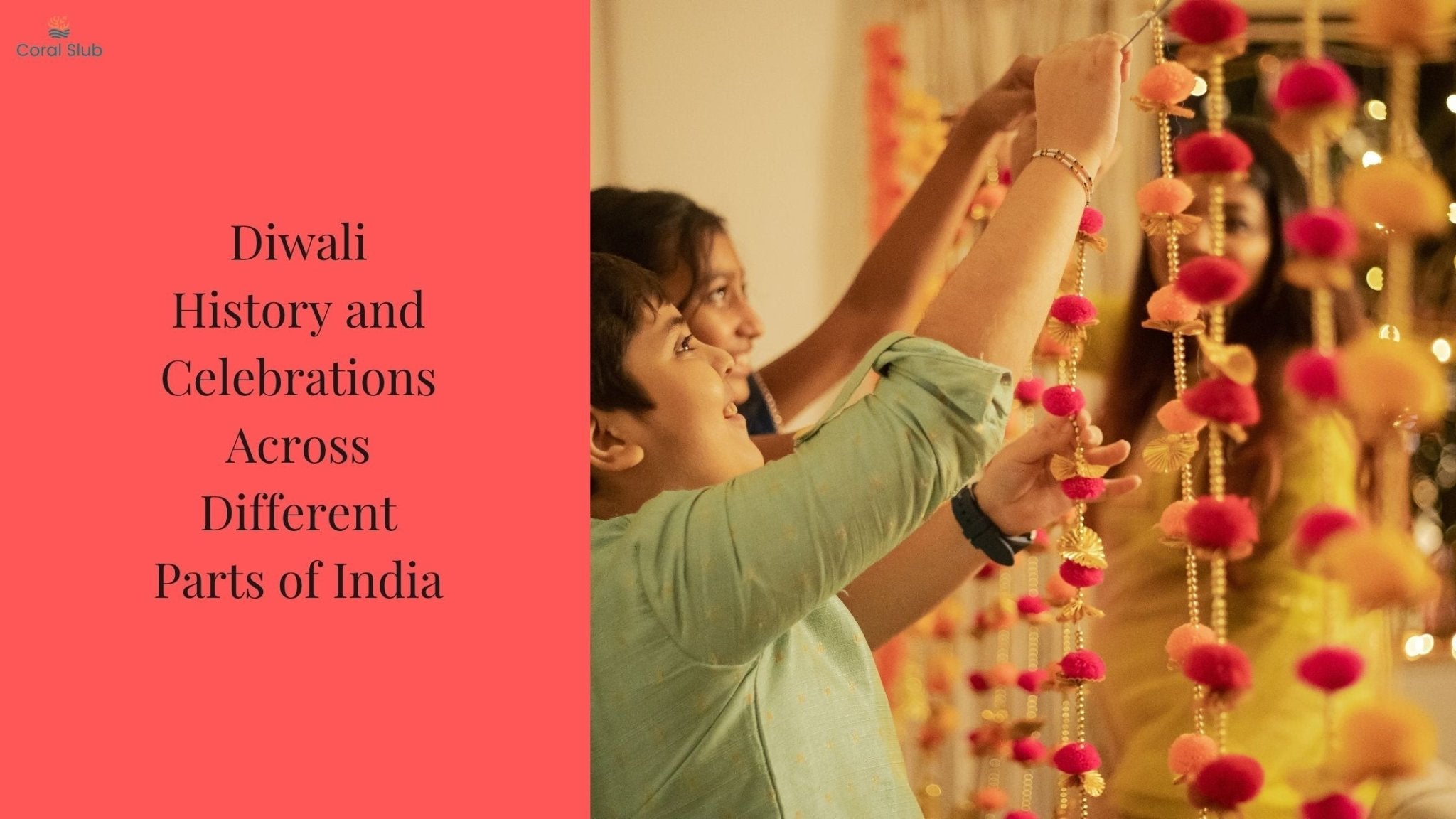
In several parts of India, families celebrate Govardhan Puja at home by decorating their prayer spaces, preparing festive food and lighting diyas.
The symbolic Govardhan Hill is placed in a courtyard or puja area, and family members gather to offer prayers. Special dishes are prepared and shared after the rituals.The celebration combines devotion, traditional food and family togetherness.
The Connection Between Govardhan Puja and the Five Days of Diwali
Where Does Govardhan Puja Fall in the Diwali Celebrations?
Diwali is celebrated over several days, with each day carrying its own religious and cultural significance. Govardhan Puja is generally observed on the day after the main Diwali celebrations.
The festival follows Lakshmi Puja and is followed by Bhai Dooj in many regional traditions.
While Dhanteras is associated with prosperity and auspicious purchases, Naraka Chaturdashi celebrates the victory of good over evil, and Lakshmi Puja focuses on wealth and well-being. Govardhan Puja brings attention to gratitude, nature, food and Lord Krishna's divine protection.
Why Is Govardhan Puja Celebrated After Diwali?
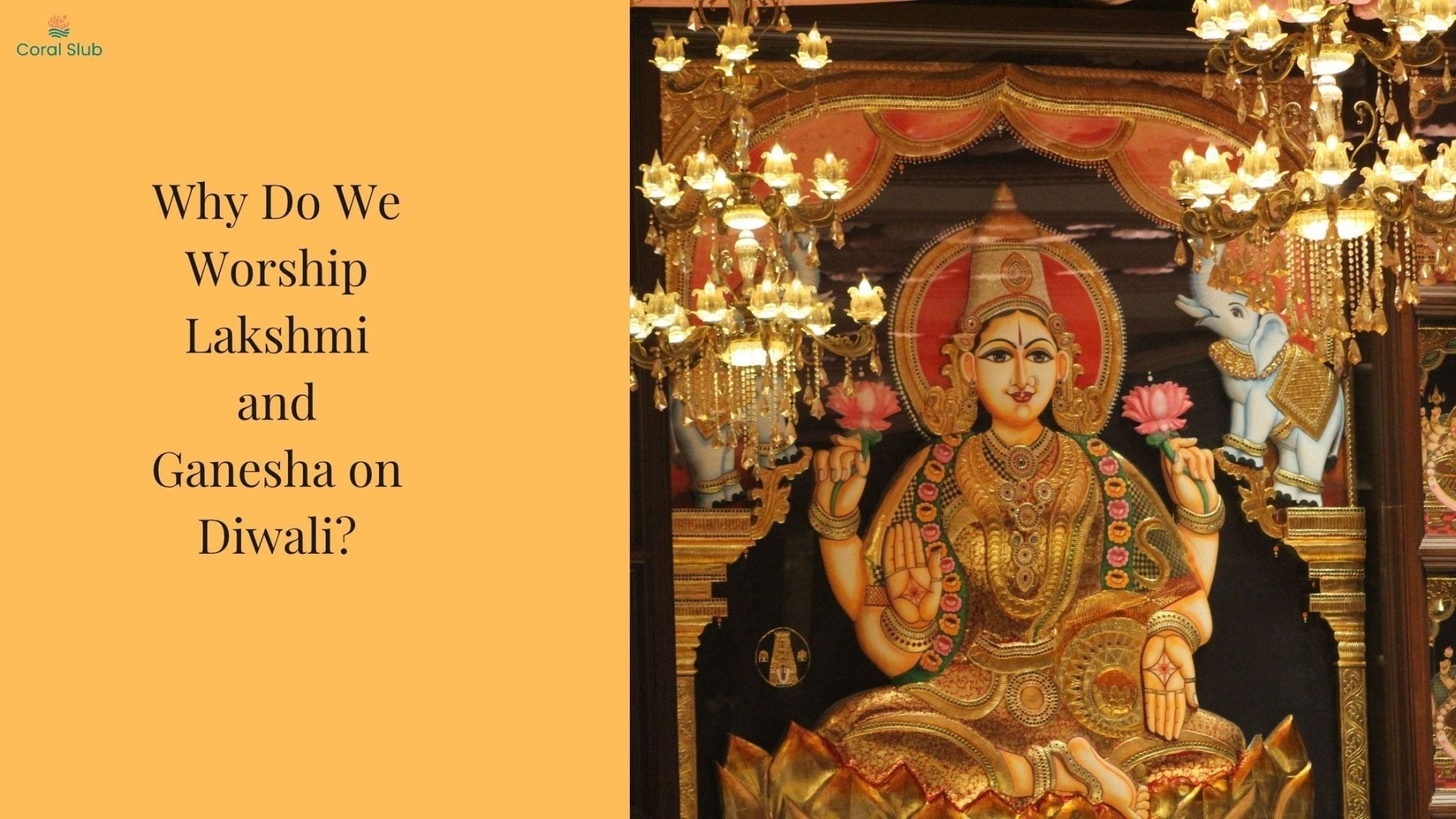
The placement of Govardhan Puja within the Diwali period connects different aspects of Hindu religious and cultural traditions. While the main Diwali evening is associated with prayers to Goddess Lakshmi and Lord Ganesha in many households, the following day honours Lord Krishna and Govardhan Hill.
The festival extends the spirit of celebration beyond the lighting of lamps and encourages devotees to appreciate nature, nourishment and the blessings of everyday life.
Conclusion:
Govardhan Puja is a festival that carries a message far beyond its mythological story. Through Lord Krishna's act of lifting Govardhan Hill, it teaches us about humility, faith, environmental responsibility, compassion towards animals and gratitude for food.
The Annakut tradition further reinforces the importance of sharing and appreciating the abundance that nature provides.
As families prepare food offerings, decorate their homes and offer prayers to Lord Krishna, they celebrate a festival that connects spirituality with everyday life.
This Govardhan Puja, may Lord Krishna bless your home with happiness, prosperity and abundance. May the festival remind us to respect nature, value every meal and share our blessings with those around us.