
Cart
0
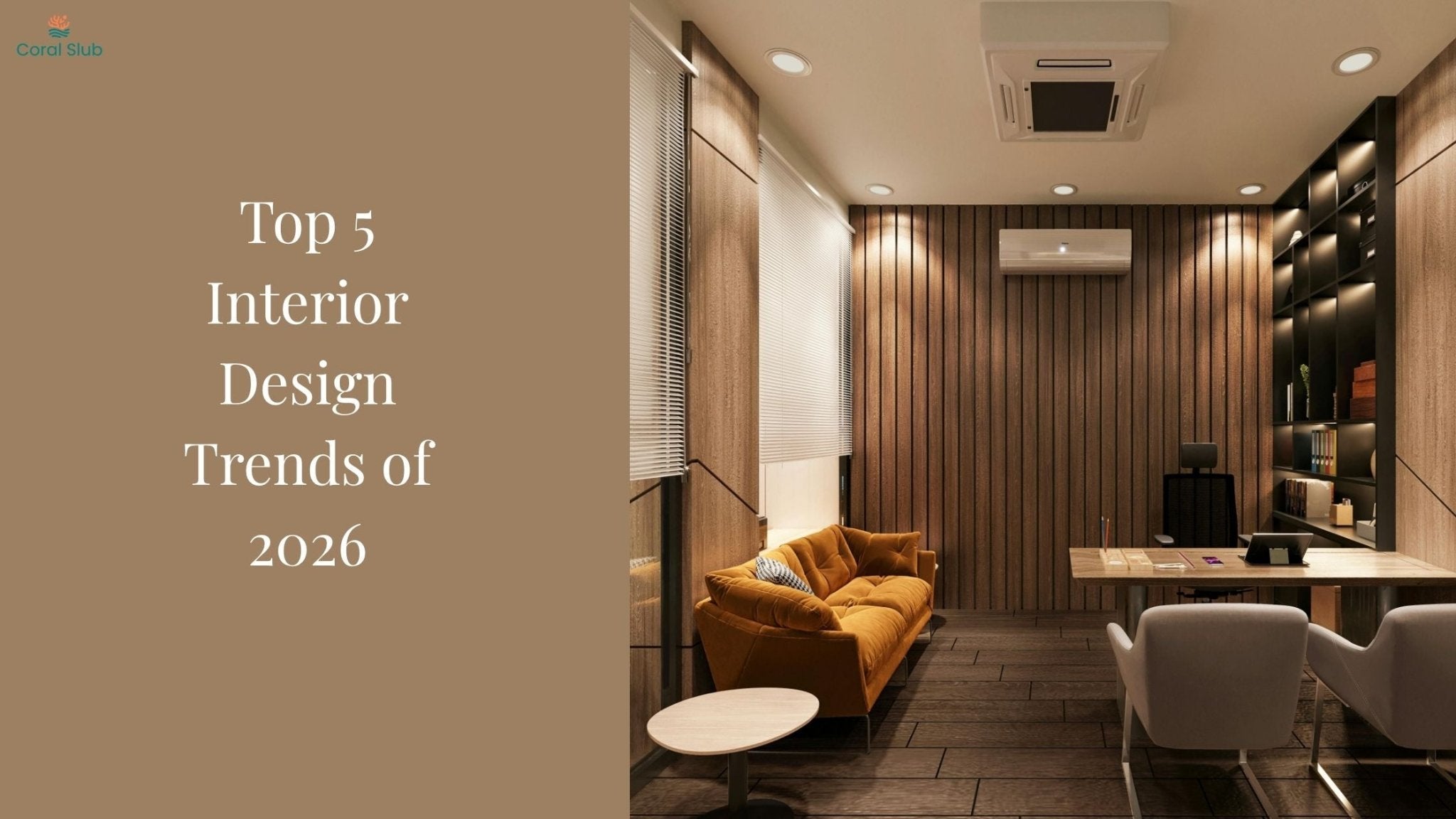
If the last few years were about making homes look better, 2026 is about making them feel better. There has been a noticeable shift in how people approach their spaces. Homes are no longer treated as static, perfectly styled environments. Instead, they are becoming more fluid, personal, and emotionally responsive. The focus is moving away from display and toward experience.
Designers across the world are echoing the same sentiment. People are no longer asking, “Does this look good?” They are asking, “Does this feel right to live in?”
This shift is shaping every decision, from materials and colour to layout and styling.
1. Homes That Tell a Story
From Styled Spaces to Personal Narratives

One of the most defining changes in 2026 is the move toward storytelling.
Earlier, homes were often designed around a theme or aesthetic. Today, they are built around lived experiences. A room might include objects collected over time, pieces that hold memory, or items that reflect personal milestones.
This is where the idea of “gentle clutter” comes in. It is not about mess. It is about accumulation with meaning. Surfaces are layered, but intentionally so, creating a space that feels authentic rather than staged.
How to Apply This in Your Home
Instead of buying décor to match a theme, start with what you already own. Books, travel finds, inherited pieces, handmade objects. Arrange them in a way that feels natural rather than overly styled. Let your space evolve gradually instead of trying to complete it all at once.
A home that grows over time will always feel more real than one designed overnight.
2. Organic Materials Become the Foundation
Why Texture Is Replacing Ornament

In 2026, decoration is becoming quieter, while materials are becoming more expressive.
Natural elements like wood, linen, clay, and stone are no longer just accents. They are defining entire spaces. Instead of adding decorative layers, designers are focusing on how materials feel and interact.
Surfaces are often left slightly raw or imperfect, allowing their natural texture to stand out.
The Emotional Shift Behind This Trend
This move toward organic materials reflects a deeper need for calm.Natural textures create a sense of grounding. They soften the space without overwhelming it. In homes where life can feel fast-paced and digital, these materials bring a sense of balance.
How to Bring This Into Your Space
You don’t need a full renovation. Start small. Add linen cushion covers, introduce wooden elements, or layer natural textiles. Even subtle changes in material can shift the way a room feels.
3. Imperfection Becomes Intentional
Moving Away from Polished Perfection

For years, interiors aimed for flawlessness. But in 2026, that idea is being challenged. Spaces are embracing irregularity, handmade finishes, and visible craftsmanship. Brushstrokes, uneven textures, and slight imperfections are no longer hidden.
They are highlighted.
Why This Shift Feels More Authentic
Perfect spaces can feel distant. Imperfect ones feel human. They reflect time, effort, and presence. This is why handcrafted elements are becoming more valuable, not as statement pieces, but as subtle parts of everyday design.
How to Apply This Without Overdoing It
You don’t need to redesign your space. Introduce small handcrafted elements. Ceramics, textiles, or artwork that show the human touch. The goal is not to make the space look unfinished, but to make it feel real.
4. Textiles Take Centre Stage
From Accessories to Statement Elements

Textiles are no longer secondary. In 2026, they move beyond cushions and upholstery into walls, layers, and focal points. Tapestries, fabric panels, and woven textures are replacing traditional framed art.
They add softness, depth, and a sense of warmth that hard materials cannot.
Why This Matters in Modern Homes
As interiors become more minimal in structure, textiles bring balance. They soften edges, reduce echo, and create a more comfortable environment. At the same time, they allow for storytelling through patterns, craft, and cultural references.
How to Use This Trend Effectively
Layer different textiles instead of relying on one. Mix cushion covers, throws, and even wall hangings. Focus on texture rather than just colour. This creates depth without making the space feel heavy.
5. Comfort-Led Design with Sculptural Forms
The Rise of Soft, Enveloping Furniture

Furniture in 2026 is designed for how it feels, not just how it looks. Rounded edges, oversized seating, and soft silhouettes are becoming more common. These pieces create a sense of comfort and ease, encouraging people to spend more time in their spaces.
The Lifestyle Shift Behind This Trend
This reflects a broader change in how homes are used. Spaces are no longer just functional. They are where people relax, connect, and spend time. Furniture is adapting to this by becoming more inviting and less rigid.
How to Adapt This Without Buying New Furniture
Even if you don’t change your furniture, you can change how it feels. Add softer textiles, adjust seating layouts, or create more relaxed arrangements. Small changes can make existing furniture feel more comfortable and intentional.
What These Trends Really Mean
Taken together, these trends point to a clear direction. Homes are becoming more personal, more tactile, and more emotionally driven. The focus is shifting from visual perfection to lived experience.
Design is no longer about following rules. It is about creating alignment between your space and your life.
Final Thoughts
Interior design in 2026 is moving beyond the idea of trends as something to follow and instead becoming a reflection of how we choose to live. The focus is no longer on creating spaces that look perfect in a moment, but on building environments that feel meaningful over time. Whether it is through objects that carry memory, materials that feel grounded, or layouts that prioritise comfort, every element is becoming more intentional.
What ties all of these trends together is a shift toward authenticity. Homes are no longer expected to follow a single aesthetic or fit into a predefined style. They are evolving into spaces that hold personality, change gradually, and respond to real life. This is why storytelling, texture, and imperfection are becoming so central. They allow a space to feel lived in rather than staged.
Ultimately, the most relevant takeaway from 2026 is not to adopt every trend, but to understand the direction they point toward. A home that feels calm, layered, and personal will always outlast one that simply looks current. And when your space begins to reflect your habits, your memories, and your sense of comfort, it stops being just a well-designed room and starts becoming a place you truly belong in.