
Cart
0
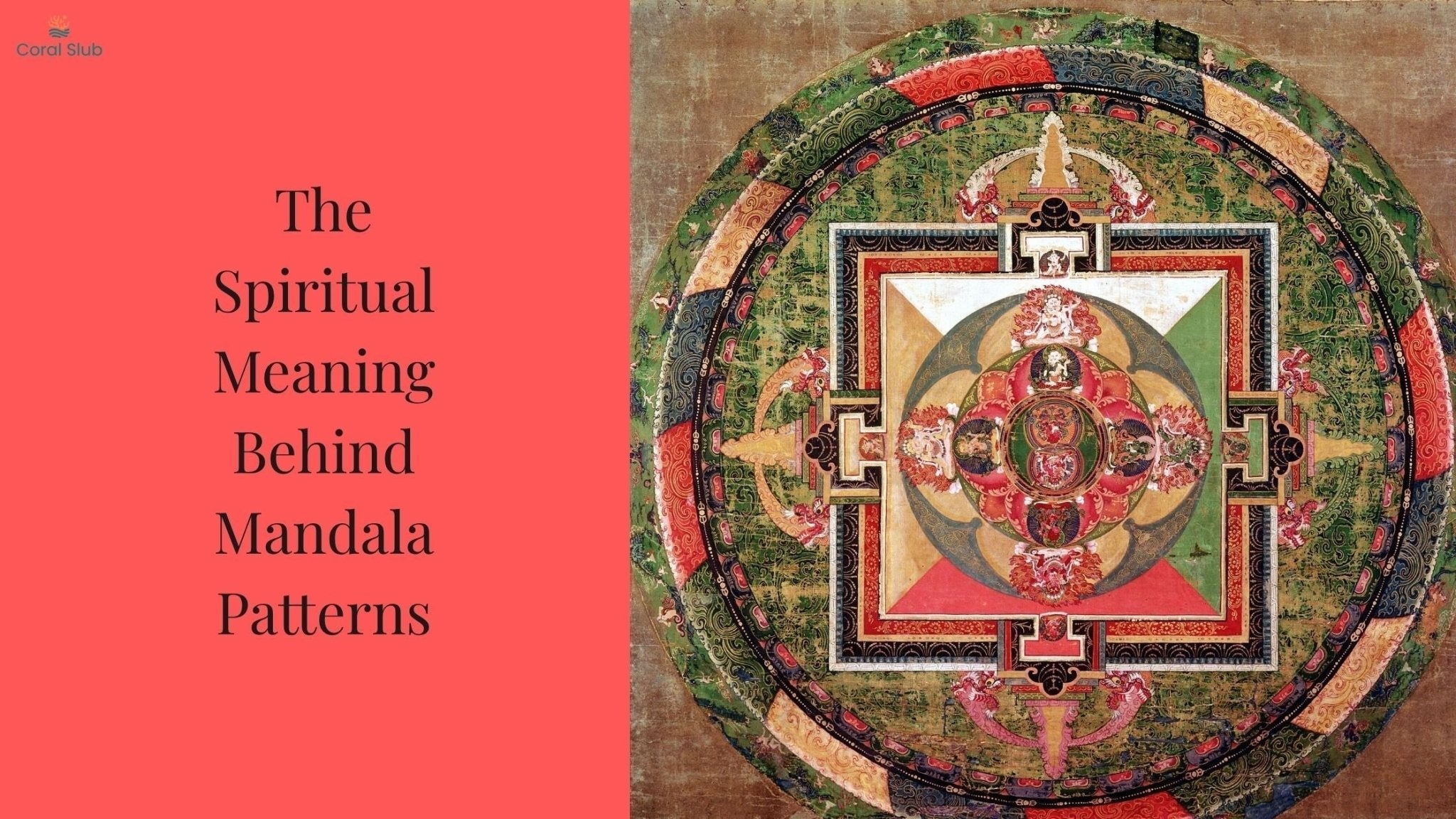
In a world that constantly moves at speed, people are increasingly drawn to spaces that feel calm, grounded, and intentional. This is where mandala patterns quietly stand apart.
They are not just decorative elements. They carry a deeper spiritual significance that has existed for centuries. When incorporated into home décor, mandala patterns influence not just how a space looks, but how it feels.
Understanding their meaning allows you to use them more consciously, transforming your home into a space that supports both comfort and clarity.
The Meaning Behind the Circle

The word mandala comes from Sanskrit and translates to “circle” or “sacred centre.” In spiritual philosophy, this circle represents wholeness, unity, and the interconnected nature of life.
Unlike a simple geometric shape, the mandala carries a deeper implication. It has no beginning and no end. It represents continuity, balance, and the idea that everything exists within a larger whole.
Every mandala begins from a central point and expands outward. This reflects growth, movement, and the unfolding of energy.
Mandalas as a Symbol of Balance and Harmony

The Role of Symmetry in Creating Calm
One of the defining characteristics of a mandala is its symmetry. Every element is positioned with precision, creating a balanced and structured form.
This visual order has a direct effect on the mind. When we see symmetry, we experience stability. It reduces visual chaos and creates a sense of calm without effort.
In home décor, this is why mandala patterns often make a space feel more composed and peaceful.
Alignment Between Mind and Space

Mandalas are traditionally used as tools for meditation because they guide attention inward.
The eye naturally moves toward the centre, encouraging focus and stillness. When this pattern is present in your home, it subtly influences your environment.
It creates a space that feels less scattered and more aligned, supporting a calmer state of mind in everyday moments.
Mandalas and the Flow of Energy

From Centre to Expansion
The structure of a mandala reflects a clear direction of energy. It begins at a central point and expands outward in layers.
This movement symbolises the flow of energy from within to the external world. In a home setting, this creates a sense of openness and continuity rather than confinement.
Creating Positive Energy Through Design
Circular and repeating patterns are often associated with positive energy because they avoid abrupt breaks.
Instead of sharp interruptions, mandalas create a continuous visual rhythm. This flow contributes to a softer, more welcoming environment, especially in spaces meant for relaxation.
Why Mandala Patterns Feel Calming

Repetition and Mental Stability
Mandalas rely on repetition of shapes, lines, and motifs. This repetition provides predictability, which helps the mind settle.
In environments where visual noise is high, structured repetition reduces stress and creates a sense of control and stability.
A Connection to Natural Rhythms
Many mandala designs are inspired by natural forms such as flowers, the sun, and organic growth patterns.
These forms mirror rhythms we are already familiar with. This familiarity creates comfort and reinforces a sense of balance found in nature.
Bringing Mandala Patterns into Your Home
Using Mandalas in Everyday Spaces

Mandalas do not need to dominate a room to create an impact. Even small additions can shift how a space feels.
When used on cushion covers, mandala patterns introduce detail without overwhelming the sofa. They work especially well when arranged in coordinated combinations, creating a balanced and cohesive setup.
Creating Focus in Dining Spaces

Mandala patterns on table runners act as a natural focal point. Their circular symmetry draws attention without adding clutter.
When paired with minimal décor, they help create a dining setup that feels both intentional and calm.
Mandalas and Mindful Living

Mandalas represent more than a visual style. They reflect a way of living.
A home designed with intention encourages slower, more mindful routines. It shifts focus away from constant stimulation toward calm and clarity.
Even simple choices, such as incorporating balanced patterns, can influence how a space supports your daily life.