Cart
0
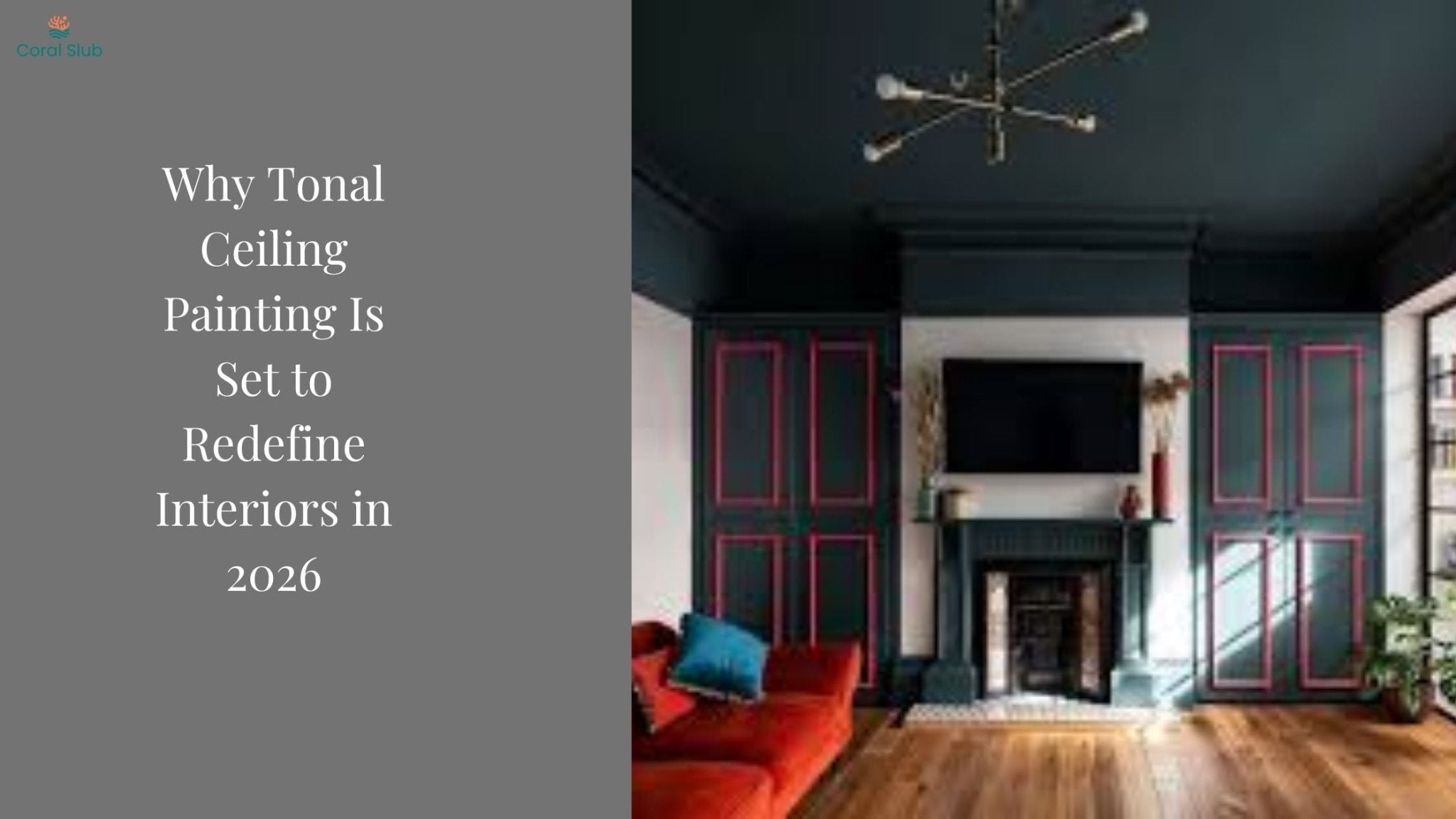
Interior design in 2026 is moving away from sharp contrasts and dramatic statements. Homeowners today want spaces that feel rich, layered, and calming without being overwhelming. One paint technique quietly gaining popularity answers this need perfectly. Tonal ceiling painting treats the walls, trim, and ceiling as parts of one continuous colour story, creating depth without visual noise.
If you are searching for subtle yet impactful interior trends for 2026, this approach solves a common problem. How do you add character to a room without clutter, bold colours, or permanent changes?
What Is Tonal Ceiling Painting?
Understanding the concept in simple terms

Tonal ceiling painting uses multiple shades from the same colour family across a room. Instead of painting walls and ceiling in one flat colour, the space is layered with lighter and darker tones that move upward.
Typically, the lightest shade appears on the main walls. A slightly deeper tone defines architectural elements such as moldings or rails. The darkest or richest shade is applied to the ceiling. This upward flow draws the eye higher, making rooms feel taller and more cohesive.
Because all shades belong to the same colour family, the transition feels natural rather than dramatic.
Why Is This Paint Trend Emerging Now?
A response to changing interior preferences

After years of stark white ceilings and minimal interiors, homeowners are seeking warmth without excess. There is also growing interest in treating the ceiling as an active design surface rather than something to ignore.
Bold ceiling colours can feel intimidating. Tonal ceiling painting offers a softer entry point. It allows experimentation while maintaining balance, making it ideal for modern homes that value comfort and restraint.
In 2026, this trend resonates with people who want interiors that feel enveloping, thoughtful, and emotionally calm.
Which Colours Work Best for Tonal Ceiling Painting?
Choosing shades that create depth, not drama

This technique works best with colours that have natural complexity. Muted blues, warm greys, earthy browns, olive greens, and dusty neutrals are especially effective.
These colours contain multiple undertones, making it easier to select lighter and darker variations that still feel connected. Bright primary colours or sharp hues tend to lose the softness that makes tonal layering successful.
Rooms with natural light show this effect most beautifully, as shifting daylight highlights subtle tonal changes throughout the day.
How to Apply Tonal Ceiling Painting Thoughtfully
Simple planning makes all the difference

The key to success lies in selecting shades with enough contrast to be visible but not so much that they feel disjointed. A gentle progression creates the most refined result.
Architectural features can guide placement. Moldings or rails offer natural transition points. In rooms without these features, placing the darker shade slightly above eye level usually creates the best balance.
Painting typically starts with the ceiling to avoid drips on finished walls. Clean edges create a polished look, while softly blended transitions work well if a more relaxed finish is preferred.
Where Does Tonal Ceiling Painting Work Best?
Rooms that benefit the most

Living rooms, dining areas, and bedrooms are ideal spaces for tonal ceiling painting because atmosphere matters more than visual contrast. The technique pairs beautifully with layered furnishings, textured fabrics, and natural materials.
Smaller rooms also benefit. The upward movement of colour creates a sense of openness, making compact spaces feel larger. Hallways and reading corners gain quiet character when treated with tonal depth.
This approach works especially well when paired with thoughtfully chosen cushion covers, soft bedsheets, and subtle table runners that echo the room’s colour palette.
Why Tonal Ceiling Painting Fits Modern Homes
Solving everyday design challenges
 Many homeowners want to refresh their interiors without full renovations. Tonal ceiling painting offers an impactful change using paint alone. It enhances height, adds warmth, and improves flow without introducing clutter.
The technique also adapts easily to evolving styles. As trends shift, the same tonal base can support new textiles, furnishings, and accents without needing repainting.
Final Thoughts

Tonal ceiling painting is not about bold statements. It is about refinement, balance, and intention. By allowing colour to flow gently upward, interiors gain depth and quiet confidence.
As 2026 approaches, this trend reflects a broader shift toward subtle richness and emotional comfort in homes. Sometimes, the most effective design changes are the ones that feel effortless yet deeply considered.