Cart
0
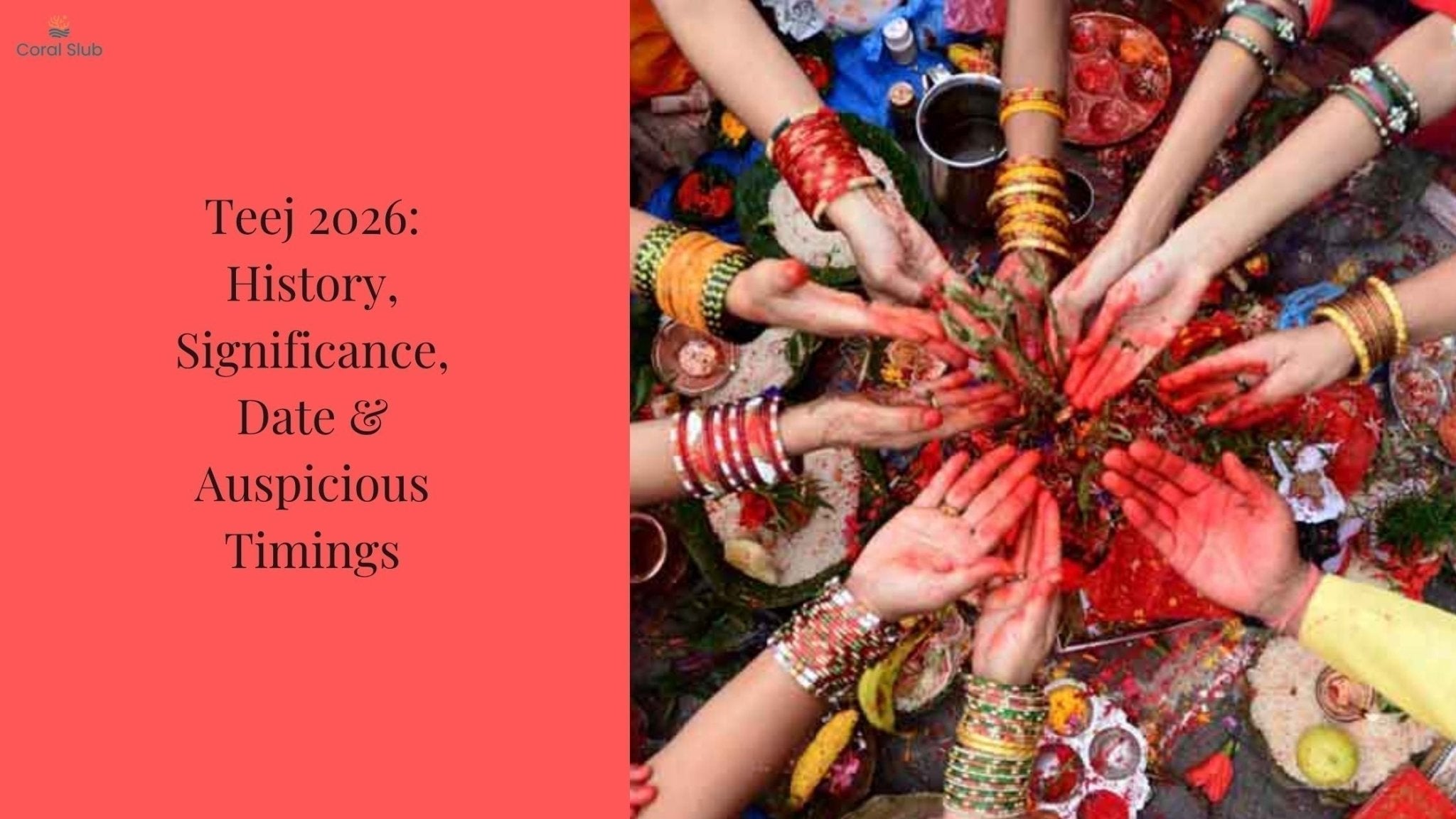
With the arrival of the monsoon comes one of India's most vibrant and cherished festivals, Hariyali Teej. Celebrated with lush greenery, colourful attire, intricate mehendi, traditional sweets, and devotional prayers, Teej beautifully blends spirituality with the joy of the rainy season.
Observed primarily across Rajasthan, Uttar Pradesh, Haryana, Punjab, Madhya Pradesh, Bihar, and parts of Nepal, Hariyali Teej is dedicated to the divine union of Lord Shiva and Goddess Parvati. For centuries, the festival has symbolised unwavering devotion, marital harmony, prosperity, and the arrival of new beginnings.
While many associate Teej with swings hanging from trees, women dressed in green, and festive celebrations, the festival has a much deeper spiritual meaning rooted in Hindu mythology.
Here's everything you need to know about Hariyali Teej 2026, including its history, significance, rituals, and auspicious timings.
When Is Hariyali Teej 2026?

Hariyali Teej 2026 Date
Hariyali Teej in 2026 is expected to be celebrated on Friday, 17 July 2026 (date may vary slightly depending on the regional panchang). It is observed on the Shukla Paksha Tritiya (third lunar day of the waxing moon) during the Hindu month of Shravana (Sawan).
Auspicious Timings (Tentative)
The exact Tritiya Tithi and Puja Muhurat depend on the local panchang and geographical location. Devotees are advised to follow their regional Hindu calendar or local temple announcements for the precise timings.
The History of Hariyali Teej
The Story of Goddess Parvati's Devotion

The origin of Hariyali Teej is closely connected to one of Hinduism's most inspiring stories of devotion.According to Hindu mythology, Goddess Parvati wished to marry Lord Shiva. However, winning Shiva's acceptance was far from easy. Determined to make him her husband, Parvati performed intense penance and meditation over many lifetimes. It is believed that she was reborn 108 times before her unwavering devotion was finally rewarded.
Impressed by her perseverance, sincerity, and spiritual strength, Lord Shiva accepted Parvati as his eternal consort.
Hariyali Teej commemorates this divine reunion. The festival celebrates not only the sacred bond between Shiva and Parvati but also the virtues of patience, faith, love, and commitment that their story represents.
Why Is It Called Hariyali Teej?
Celebrating the Beauty of the Monsoon

The word "Hariyali" translates to "greenery."The festival falls during the monsoon season, when fields, forests, and gardens are transformed into lush green landscapes after the first rains. This renewal of nature symbolises fertility, prosperity, abundance, and fresh beginnings.
Green therefore becomes the defining colour of the festival. Women traditionally wear green sarees or suits, adorn themselves with green bangles, and decorate their hands with intricate mehendi designs as symbols of growth, happiness, and marital bliss.
Why Is Hariyali Teej Celebrated?
A Festival of Love, Devotion and Prosperity

Hariyali Teej holds deep spiritual significance for both married and unmarried women.
Married women observe the festival to pray for the health, happiness, and long life of their husbands. Many observe a day-long fast and perform special prayers dedicated to Lord Shiva and Goddess Parvati.
Unmarried women also celebrate Hariyali Teej by praying for a loving, understanding, and virtuous life partner, inspired by Goddess Parvati's devotion.
Beyond its religious importance, Teej celebrates family bonds, friendship, womanhood, and the arrival of the monsoon, making it one of the most joyful festivals of the Hindu calendar.
Traditional Rituals of Hariyali Teej
Fasting and Worship

Many devotees observe a fast throughout the day as an expression of devotion. The fast is accompanied by prayers to Lord Shiva and Goddess Parvati, seeking blessings for marital happiness and family well-being.
Special pujas are performed at homes and temples, where idols of Shiva and Parvati are worshipped with flowers, fruits, sweets, and sacred offerings.
Mehendi and Solah Shringar

One of the most beautiful traditions of Hariyali Teej is the application of mehendi.
Women decorate their hands and feet with intricate henna patterns and dress in vibrant green attire. Many also perform Solah Shringar, the traditional sixteen adornments that symbolise beauty, prosperity, and auspiciousness.
These customs transform the festival into a colourful celebration of femininity and devotion.
Swings, Folk Songs and Community Celebrations

Across northern India, swings are tied to large trees and beautifully decorated with flowers and ribbons.
Women gather to sing traditional Teej songs, dance together, and celebrate the arrival of the rains. These joyful community gatherings have been an integral part of the festival for generations and reflect the close relationship between Indian culture and the changing seasons.
Traditional Foods Enjoyed During Teej

No Indian festival is complete without delicious festive treats.Hariyali Teej is especially associated with sweets such as Ghevar, Malpua, Kheer, Puris, Halwa, and various regional delicacies prepared for family celebrations.
In many households, parents also send Sindhara, a traditional gift hamper containing clothes, bangles, mehendi, sweets, and cosmetics for their married daughters, symbolising love and blessings.
Where Is Hariyali Teej Celebrated?

Hariyali Teej is celebrated most prominently in Rajasthan, Haryana, Punjab, Uttar Pradesh, Bihar, Madhya Pradesh, Delhi, and parts of Nepal.
In cities such as Jaipur, elaborate processions featuring decorated idols of Goddess Parvati, traditional musicians, folk dancers, and beautifully adorned elephants and camels have become iconic cultural attractions that draw thousands of visitors each year.
The Relevance of Hariyali Teej Today

Although modern lifestyles have changed significantly, Hariyali Teej continues to hold a special place in Indian culture.
Today, the festival represents much more than religious observance. It offers an opportunity for families to come together, celebrate traditions, reconnect with nature during the monsoon season, and preserve cultural practices that have been passed down for centuries.
The emphasis on gratitude, devotion, love, and renewal makes Hariyali Teej meaningful for younger generations as well, reminding us that festivals are not only about rituals but also about strengthening relationships and celebrating life's blessings.
Final Thoughts

Hariyali Teej is a beautiful reminder that faith, patience, and love have always been at the heart of Indian traditions. Rooted in the timeless story of Lord Shiva and Goddess Parvati, the festival celebrates enduring relationships while welcoming the refreshing spirit of the monsoon.
Whether observed through fasting, prayer, colourful celebrations, or simply spending time with loved ones, Hariyali Teej continues to inspire devotion and joy across generations. As homes fill with the fragrance of festive sweets, the sound of traditional songs, and the vibrant colours of green attire and mehendi, the festival beautifully reflects the harmony between nature, culture, and spirituality.