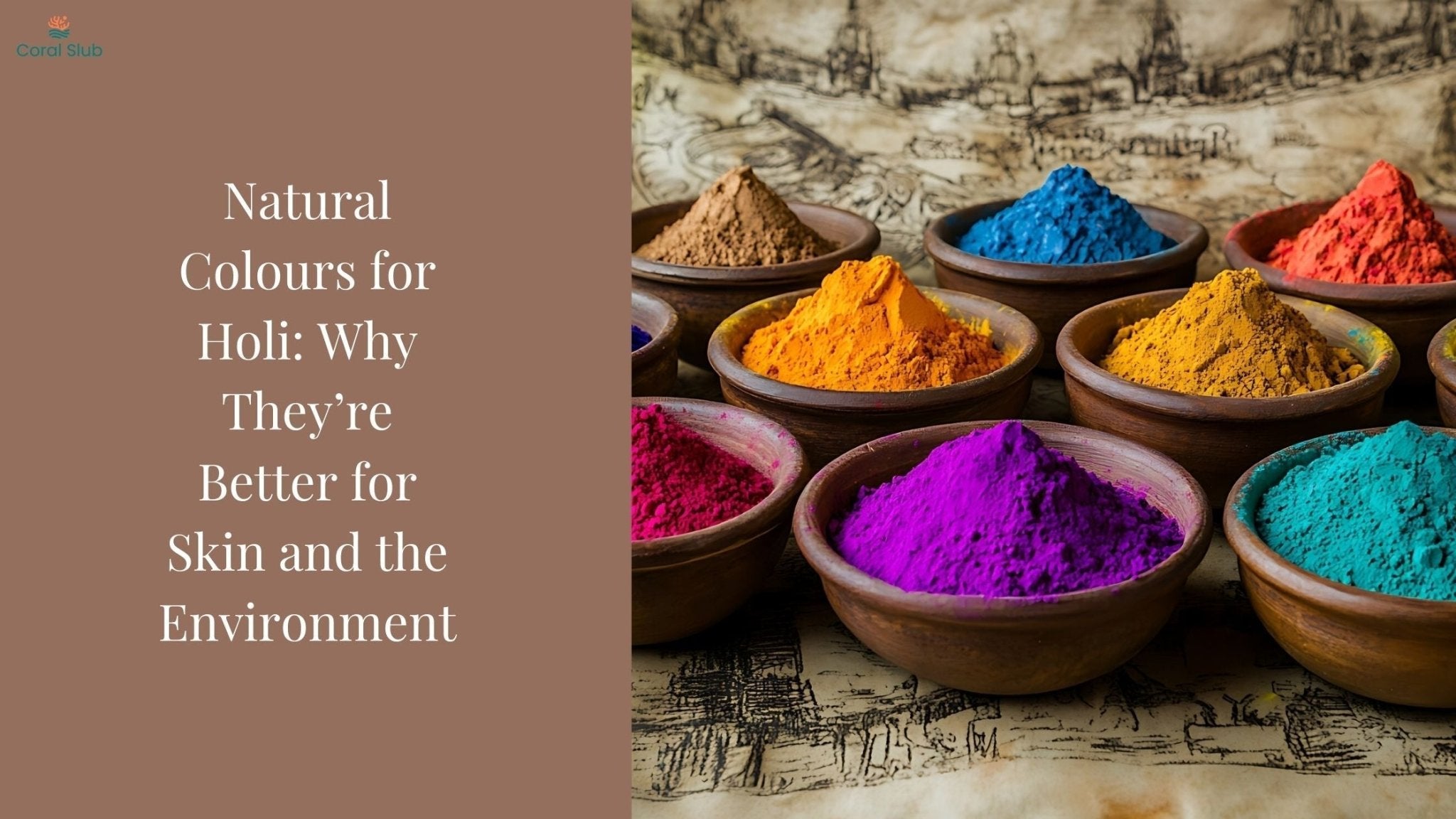
Holi is a festival of joy, colour, and togetherness. But over the years, the colours used to celebrate Holi have changed drastically. What was once a festival rooted in flowers, herbs, and nature has slowly shifted towards synthetic, chemical based colours that can harm both our bodies and the environment.
Today, more people are consciously returning to natural colours for Holi, and for good reason. Natural colours allow you to celebrate freely while being kind to your skin, your home, and the planet.
What Are Natural Colours for Holi
Natural Holi colours are made from flowers, herbs, vegetables, and plant based ingredients. Traditionally, these colours came from sources like turmeric, marigold flowers, beetroot, indigo leaves, and sandalwood.
Unlike synthetic gulal, natural colours are free from harsh chemicals, heavy metals, and artificial dyes. They are softer in texture, gentler on the skin, and safer to use around children, elders, and pets.
Why Natural Holi Colours Are Better for Your Skin
Gentle and Non Irritating
Chemical colours often contain substances like lead oxide, mercury sulphide, or industrial dyes. These can cause rashes, dryness, itching, eye irritation, and long term skin damage.
Natural colours, on the other hand, are skin friendly. Since they come from plant based ingredients, they are far less likely to trigger allergies or reactions. This makes them ideal for people with sensitive skin.
Prevents Hair and Scalp Damage
One of the biggest post Holi complaints is dry, damaged hair. Synthetic colours strip moisture from the scalp and weaken hair strands. Natural colours do not penetrate harshly and are easier to wash out, helping retain natural oils and scalp health.
Celebrating with natural colours means less damage and easier cleanup after the festivities.
How Natural Colours Help the Environment
Reduces Water Pollution
After Holi, colours wash off into drains, rivers, and soil. Chemical colours contain toxins that pollute water bodies and harm aquatic life. Natural colours dissolve easily and break down without releasing harmful substances into the environment.
This makes eco friendly Holi colours a responsible choice for communities and cities.
Safer for Soil, Plants, and Animals
Synthetic colours often leave behind residue that affects soil fertility and plant health. Animals that come into contact with these chemicals can also suffer from skin and digestive issues.
Natural colours return to the earth safely. They do not poison soil or plants, helping maintain ecological balance even after large scale celebrations.
A Healthier Choice for Homes and Furniture
Natural colours are not just better for your body, but also for your home. Chemical colours can permanently stain furniture, fabrics, walls, and flooring. Natural colours are easier to clean and far less likely to leave stubborn marks.
This is especially important if you are celebrating Holi at home. Using natural colours reduces the risk of long term damage to sofas, cushions, curtains, and bedsheets.
Bringing Back the True Spirit of Holi
Holi was traditionally a celebration of spring, nature, and renewal. Flowers, herbs, and natural dyes were used not just for colour, but also for their cooling and healing properties.
Choosing natural colours reconnects the festival to its original meaning. It turns Holi into a mindful celebration that respects both tradition and well being.
How to Make the Switch to Natural Holi Colours
Making the shift to natural colours does not require sacrificing fun or vibrancy. Today, naturally made gulal is available in beautiful, festive shades that look just as bright and joyful.
You can also prepare simple natural colours at home using ingredients like turmeric, beetroot powder, dried flowers, or henna leaves. This adds a personal and meaningful touch to your celebration.
Celebrate Holi Responsibly and Joyfully
Holi is meant to be playful, colourful, and full of laughter. It should not come at the cost of your skin health or the environment. By choosing natural colours for Holi, you make the festival safer, cleaner, and more meaningful for everyone involved.
Small choices like these create a big impact when practiced collectively.
Final Thoughts
Natural colours for Holi are better for your skin, your hair, your home, and the environment. They allow you to celebrate freely without worrying about allergies, pollution, or long term damage.
This Holi, choose colours that respect nature and tradition. Celebrate with joy, care, and consciousness, and let the festival truly remain one of happiness and harmony.