
Cart
0
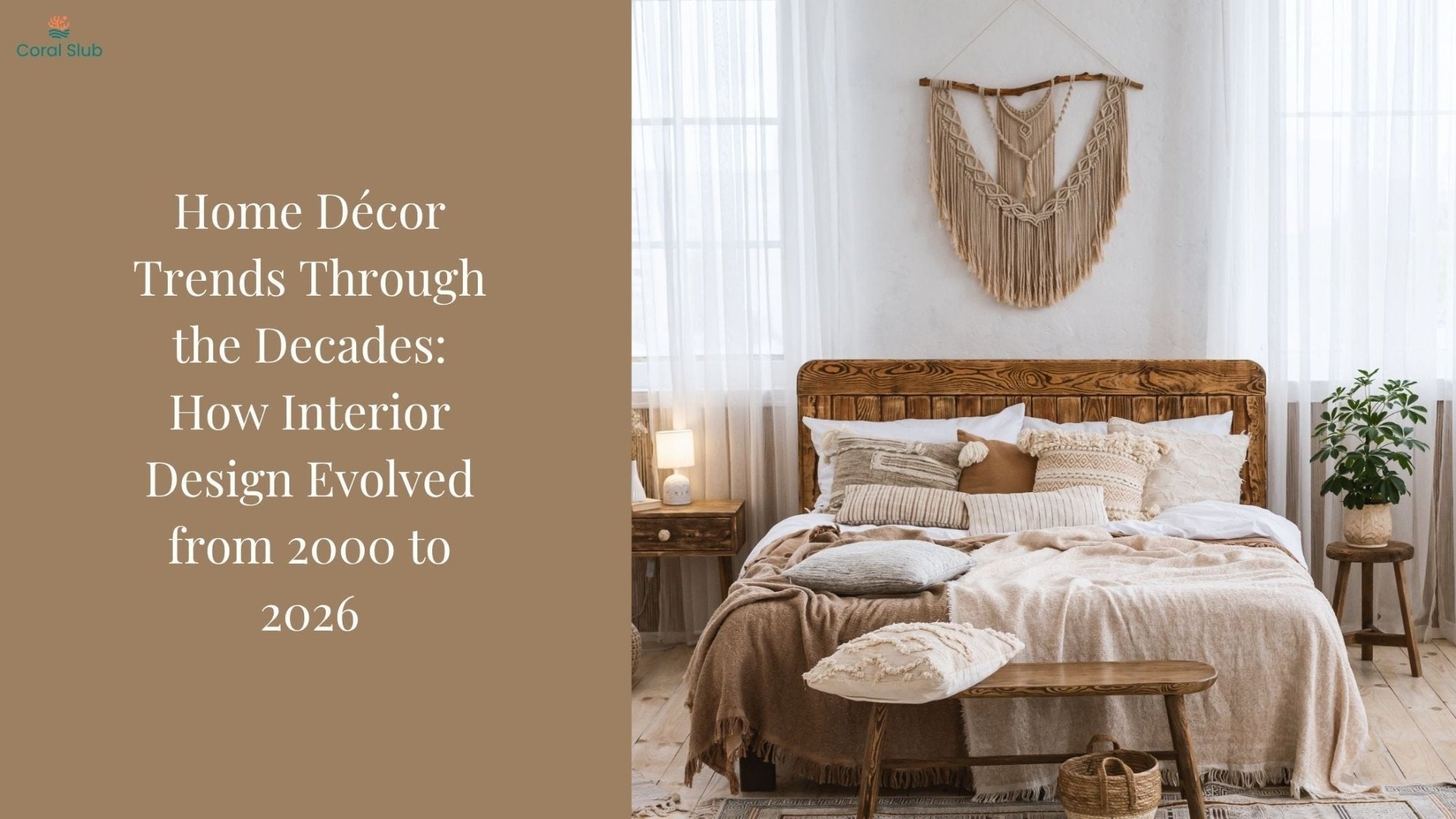
Walk into a home built in the early 2000s, and you'll instantly notice how different it feels from today's interiors.
The oversized entertainment unit proudly displaying DVDs, the all-white kitchen that seemed to dominate every home improvement magazine, heavy wooden furniture, and decorative accessories carefully collected over the years all reflected the lifestyle of their time. Fast forward to today, and homes tell a completely different story. Spaces have become brighter, furniture has become more functional, and handcrafted décor has taken centre stage alongside sustainability and mindful living.
Interior design has always mirrored the way people live. As technology, lifestyles, and cultural values evolve, our homes evolve with them. Over the past two decades, we've witnessed remarkable shifts in the way we design our living spaces. Homes have transformed from being purely functional environments into deeply personal spaces that prioritise comfort, wellness, flexibility, and self-expression.
Looking back at these changes isn't simply an exercise in nostalgia. It offers valuable insight into where design has been, what has endured, and which trends continue to shape the homes of today.
Home Décor in the Early 2000s: When Comfort Met Classic Design
Shabby Chic and Vintage Charm Defined the Era

The early 2000s embraced interiors that felt warm, romantic, and comfortably lived in. Inspired by country cottages and vintage aesthetics, shabby chic became one of the defining decorating styles of the decade. Distressed wooden furniture, whitewashed finishes, ornate mirrors, lace bedding, and soft pastel colours created homes that felt relaxed rather than perfectly polished.
Bedrooms, in particular, reflected this aesthetic with decorative table lamps, floral textiles, antique-inspired accessories, and layered fabrics that celebrated comfort over minimalism. While contemporary interiors today favour clean lines, many of the cosy elements introduced during this period continue to influence modern farmhouse and cottage-style homes.
The Era of the Entertainment Unit

Before streaming services became the norm, the living room revolved around a large entertainment centre.These oversized units housed televisions, DVD players, speakers, gaming consoles, and extensive collections of CDs and Blu-ray discs. Furniture was often designed around technology rather than conversation, making the television the undeniable focal point of the room.
As technology became smaller and more integrated into everyday life, these bulky cabinets gradually disappeared, giving way to cleaner layouts and floating media consoles that define today's interiors.
White Kitchens Became a Timeless Favourite

If one trend from the early 2000s has successfully survived, it's the all-white kitchen.Light cabinetry replaced darker wooden finishes, instantly making kitchens feel brighter, larger, and more welcoming. White surfaces reflected natural light beautifully, creating spaces that felt fresh and effortlessly elegant.
Although today's kitchens embrace more colour than ever before, white continues to remain one of the most enduring choices in interior design because of its versatility and timeless appeal.
The 2010s: Simplicity Takes Over
Minimalism Changes the Way We Live

The following decade marked a dramatic shift away from decorative excess.As homes became more compact and urban living became increasingly common, functionality began influencing almost every design decision. Interiors embraced cleaner lines, open spaces, and carefully chosen furniture that served multiple purposes.
Bedrooms became more efficient, storage solutions grew smarter, and clutter slowly disappeared. Every piece of furniture was expected to contribute to both aesthetics and practicality, reflecting a broader cultural movement towards intentional living.
Flexible Furniture Became Essential

One of the defining characteristics of the 2010s was adaptability.Poufs replaced bulky seating, nesting tables became popular, and lightweight furniture made it easier to rearrange spaces whenever needed. Instead of filling rooms with oversized furniture, homeowners began choosing pieces that could serve multiple purposes while maintaining an open, airy atmosphere.
This philosophy continues to influence modern apartment design, especially in compact urban homes.
Open Shelving Redefined Kitchens

Kitchen design also embraced simplicity.Heavy upper cabinets gradually gave way to floating shelves that displayed crockery, glassware, and decorative objects. Open shelving introduced a lighter visual aesthetic while encouraging homeowners to organise and curate everyday essentials.
Although this style required greater maintenance, it reflected a growing preference for homes that felt lived in rather than hidden behind closed doors.
Open-Plan Living Changed the Modern Home

Perhaps the most significant architectural shift of the decade was the rise of open-plan living.
Walls disappeared as kitchens, dining areas, and living rooms merged into one continuous space. Families wanted homes that encouraged interaction rather than separation, and open layouts created environments that felt brighter, larger, and more connected.
This design philosophy remains one of the defining features of contemporary homes today.
The Rise of Personal Expression in Home Décor
Neutral Foundations with Bold Accents

As minimalism matured, homeowners began introducing more personality into their interiors.Soft neutral walls became the backdrop for colourful artwork, textured fabrics, statement lighting, and handcrafted accessories. Rather than filling every corner with décor, designers focused on creating carefully styled moments that reflected the homeowner's individuality.
Textiles became particularly important during this period. Cushion covers, throws, rugs, and table linens offered affordable ways to introduce colour, texture, and seasonal updates without undertaking major renovations.
Handmade Décor Returned to the Spotlight

While machine-made products dominated much of the early 2000s, the following years witnessed a renewed appreciation for craftsmanship.Consumers began seeking products that felt authentic and meaningful. Block printing, Chikankari embroidery, woven textiles, and handcrafted ceramics gained popularity as people looked beyond trends and invested in pieces with lasting character.
Rather than decorating homes with mass-produced accessories, many homeowners started building spaces that celebrated artistry, heritage, and storytelling.
This shift continues to influence modern interior design and has made handcrafted home décor more relevant than ever.
Home Décor Trends Shaping 2026
Sustainability Is No Longer Optional

Perhaps the most important transformation in recent years has been the growing emphasis on sustainability.Today's homeowners increasingly consider not only how products look but also how they're made. Natural fibres, reclaimed wood, bamboo, rattan, recycled materials, and handcrafted textiles have become central to modern interiors.
Rather than frequently replacing décor, consumers are investing in timeless pieces that offer durability, craftsmanship, and environmental responsibility. Sustainable design has moved beyond trend status to become a long-term philosophy.
Smart Homes Continue to Evolve

Technology has quietly integrated itself into nearly every room of the home.Smart lighting, automated climate control, voice-assisted devices, and multifunctional furniture now contribute to homes that are both beautiful and highly functional. Instead of dominating interiors, technology increasingly works behind the scenes to improve everyday comfort.
This balance between innovation and simplicity is expected to define the future of residential design.
Maximalism Makes a Sophisticated Comeback

After years of restrained minimalism, many homeowners are rediscovering the joy of expressive interiors.Layered textures, statement lighting, bold artwork, colourful textiles, and richly patterned furnishings are making a confident return. Unlike the excess of previous decades, however, today's maximalism feels curated rather than chaotic.
It encourages homeowners to tell personal stories through thoughtfully collected objects, handcrafted décor, and meaningful design choices.
What Has Remained Timeless?
Good Design Always Prioritises Comfort

While decorating styles have evolved dramatically over the past twenty-five years, certain principles have remained remarkably consistent.
Natural light continues to be one of the most valuable design elements. Quality craftsmanship still outlasts passing trends. Comfortable furniture never loses its appeal. Homes that reflect the personalities of the people living in them always feel more inviting than those designed solely around fashion.
Perhaps the biggest lesson from the past two decades is that great interiors aren't created by following every trend. They're created by selecting ideas that genuinely improve everyday living.
Looking Ahead: The Future of Home Décor

As we move beyond 2026, interior design is expected to become even more personal.Homes will continue balancing technology with craftsmanship, sustainability with luxury, and functionality with beauty. Consumers are increasingly choosing products that have stories behind them, whether it's hand-embroidered textiles, block-printed fabrics, or artisan-made décor that celebrates centuries of tradition.
Rather than decorating according to rigid design rules, homeowners are embracing spaces that reflect their own lifestyles, values, and experiences.
That shift may be the most important design trend of all.
Final Thoughts

Looking back at the evolution of home décor reveals far more than changing colour palettes and furniture styles. It tells the story of how our priorities have changed over time.
The homes of the early 2000s celebrated comfort and traditional charm. The 2010s introduced simplicity, functionality, and open living. Today, design has become more thoughtful than ever, embracing sustainability, handcrafted artistry, wellness, and personal expression without sacrificing practicality.
As trends continue to evolve, one thing remains constant: the best homes are never those that simply follow fashion. They are the ones that feel authentic, comfortable, and deeply connected to the people who live in them.
Whether you're refreshing a single room or redesigning your entire home, investing in timeless craftsmanship, natural materials, and meaningful décor will always outlast the trends of the moment.