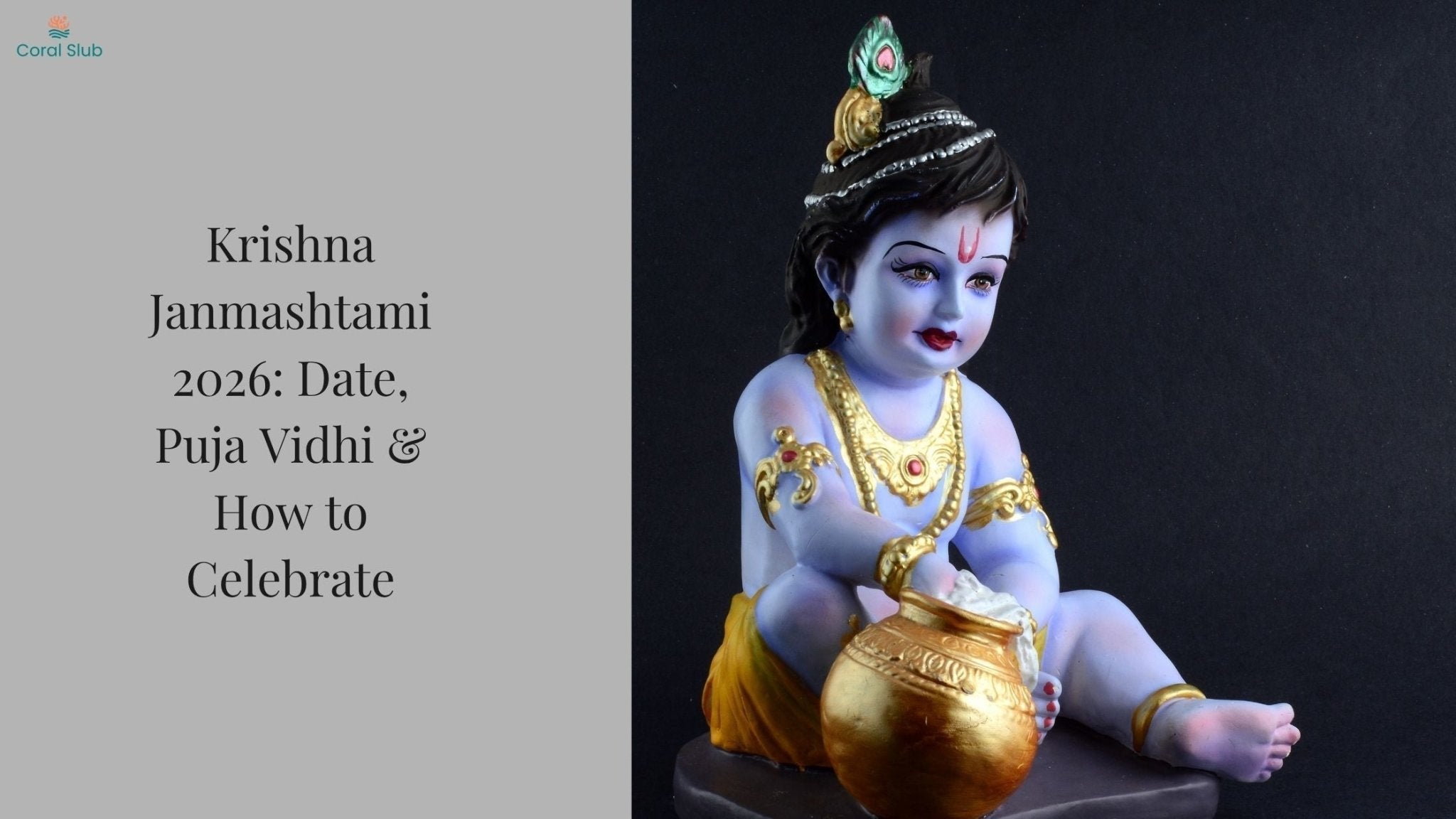
Krishna Janmashtami is one of the most joyful and spiritually significant festivals celebrated by devotees of Lord Krishna. It marks the birth of Lord Krishna, the beloved child form of the divine, whose teachings and life continue to hold an important place in Hindu tradition.
The festival brings together devotion, music, fasting, food, decoration and family traditions. Homes and temples are decorated with flowers and lights, devotees prepare a beautiful jhula or cradle for Laddu Gopal, bhajans fill the surroundings, and the celebrations reach their most anticipated moment around midnight, traditionally associated with Krishna's birth.
In 2026, Krishna Janmashtami will be observed on Friday, 4 September 2026, according to the source provided. The main worship is traditionally performed around Nishita Kaal, the midnight period associated with Krishna's birth. Since the exact tithi timings and Nishita Puja Muhurat can vary by location, devotees should check their local Panchang for the precise timings.
When Is Krishna Janmashtami 2026?
Krishna Janmashtami Date in 2026
Krishna Janmashtami 2026 falls on Friday, 4 September 2026.
The festival is observed on Bhadrapada Krishna Ashtami, the eighth lunar day of the Krishna Paksha in the month of Bhadrapada.
The most important part of the celebration takes place at midnight, known as Nishita Kaal, which represents the traditional time of Lord Krishna's birth.
Why Is Janmashtami Celebrated at Midnight?
According to the traditional account of Krishna's birth, Lord Krishna was born at midnight. Consequently, devotees wait through the evening and perform the principal worship around midnight.
The atmosphere becomes particularly devotional at this time, with families singing bhajans, performing aarti and welcoming the infant Krishna into the home.
What Is the Significance of Janmashtami?
Celebrating the Birth of Lord Krishna
Krishna Janmashtami commemorates the birth of Lord Krishna, who is revered as the divine incarnation associated with restoring dharma, or righteousness, over adharma.His life and teachings are deeply connected with ideas of love, wisdom, devotion and righteous action.
A Festival of Love, Joy and Wisdom
For devotees, Janmashtami is not only a religious observance but also a celebration of Krishna's playful and affectionate childhood form.
The image of Bal Gopal, or child Krishna, brings a particularly warm and personal dimension to the festival. Families often welcome a Krishna idol into their homes, decorate a small cradle and offer sweets and other traditional bhog.
The celebration therefore combines spiritual devotion with the tenderness associated with welcoming a divine child.
Krishna Janmashtami Puja Vidhi
How to Perform Janmashtami Puja at Home
The rituals followed during Janmashtami can vary according to family traditions and regional practices. The source provided highlights fasting, preparing a decorated jhula, performing an abhishek, offering bhog, singing bhajans and rocking the cradle at midnight.
The day generally begins with devotees observing a vrat, followed by preparations for the midnight celebration.
Step 1: Observe the Janmashtami Vrat
Devotees may observe a day-long fast as part of the Janmashtami celebration. Depending on individual practice, the fast may involve fruits and water or a stricter nirjala vrat.
The fast is traditionally broken after the midnight puja.Because fasting practices can vary according to health, family tradition and religious observance, individuals should follow the practice appropriate to them.
Step 2: Prepare the Jhula for Laddu Gopal
One of the most beautiful parts of celebrating Janmashtami at home is preparing a small jhula, or cradle, for Laddu Gopal.
The cradle can be decorated with fresh flowers, fabric, lights and other simple festive elements. The idea is to create a welcoming space for Bal Gopal before the midnight celebration.
Step 3: Decorate the Home Mandir
The home mandir can be cleaned and decorated before the evening rituals begin.Fresh flowers and soft lighting can create a peaceful devotional atmosphere without making the space overly elaborate.
A clean, well-lit puja space provides a beautiful setting for the midnight worship.
Step 4: Perform Krishna Abhishek
At midnight, devotees traditionally bathe the Krishna idol as part of the abhishek.The source specifically mentions milk, curd, honey, ghee and water, collectively used as Panchamrit, for the ritual.
The idol is then prepared for worship as devotees mark the birth of Lord Krishna.
Step 5: Offer Bhog to Krishna
After the abhishek, devotees offer traditional bhog.The source highlights butter, makhan-mishri, sweets and tulsi leaves as offerings associated with the celebration.
Butter and makhan-mishri have a particularly strong association with Krishna's beloved childhood persona.
Step 6: Sing Bhajans and Perform Aarti
The midnight celebration continues with devotional singing and aarti.Bhajans create a deeply devotional atmosphere while the aarti marks the worship and celebration of Krishna's birth.
Step 7: Rock the Jhula
The culmination of the midnight celebration is the gentle rocking of the cradle.Devotees welcome baby Krishna by rocking the decorated jhula at the traditional moment of his birth. For families celebrating at home, this can become one of the most memorable rituals of Janmashtami.
How to Decorate Your Home for Janmashtami
Create a Peaceful Krishna-Inspired Space
Janmashtami decoration does not necessarily need to be elaborate. A thoughtfully decorated mandir and jhula can become the centre of the celebration.Fresh flowers, gentle lighting and traditional textiles can help create a warm festive setting.
Decorate the Krishna Jhula with Flowers
Fresh flowers can be used around the cradle to create a simple yet beautiful arrangement. Traditional flowers can add colour and fragrance while keeping the focus on Laddu Gopal.
The decoration can remain understated so that the idol and the devotional rituals remain the centre of attention.
Use Soft Lighting Around the Mandir
Warm lights can enhance the festive atmosphere during the evening and midnight puja.Small lamps and decorative lights can be arranged around the mandir and jhula while maintaining a clean and peaceful appearance.
Add Traditional Textiles
Handcrafted cotton textiles can also be incorporated into the festive setting.A beautifully patterned fabric can be used beneath the jhula or around the prayer space, while cushions and other soft furnishings can add warmth to the area where family members gather for bhajans and aarti.
What to Offer Lord Krishna on Janmashtami?
Traditional Bhog for Bal Gopal
Food plays an important role in Janmashtami celebrations, particularly because Krishna's childhood stories are closely associated with butter and milk-based foods.
The source specifically recommends butter, makhan-mishri, sweets and tulsi leaves as offerings.
Why Is Makhan-Mishri Associated with Krishna?
Krishna's childhood persona is famously associated with his love for butter, often portrayed through stories of his playful attempts to obtain it.Offering makhan-mishri during Janmashtami therefore connects the celebration with the beloved image of Krishna as a playful child.
Bringing Laddu Gopal Home
Creating a Dedicated Space for Krishna
A Laddu Gopal or Krishna idol can become the heart of a Janmashtami celebration at home.
The source recommends keeping the idol in a clean and well-lit home mandir, where devotees can continue their daily devotional practices beyond the festival.
Caring for the Krishna Idol
For families who maintain a Laddu Gopal as part of their daily worship, Janmashtami can also be an opportunity to create a dedicated space for seva and prayer.
A simple, clean arrangement can be more meaningful than an overly decorated one, allowing the focus to remain on devotion and daily practice.
How Families Can Celebrate Janmashtami Together
Make the Festival a Shared Experience
Janmashtami offers an opportunity for families to participate in the celebrations together.
Children can help decorate the jhula, arrange flowers and prepare the festive space. Family members can come together for bhajans, aarti and the midnight celebration.
Celebrate the Story Behind the Festival
Beyond the rituals, families can use Janmashtami as an opportunity to introduce children to the story and teachings associated with Lord Krishna.
Sharing stories about Krishna's childhood, his playful nature and his role as a guide in the Bhagavad Gita can make the festival meaningful for younger generations.
Why Janmashtami Continues to Be So Special
A Festival That Brings Devotion and Joy Together
Many festivals are associated with rituals, but Janmashtami has a particularly joyful character because it celebrates Krishna in his beloved childhood form.
The decorated cradle, flowers, butter, sweets, music and midnight celebration create an atmosphere that feels both devotional and intimate.For families, it becomes an opportunity to pause from everyday life and come together in celebration.
From a Temple Tradition to a Home Celebration
While temples across India organise elaborate Janmashtami celebrations, the festival has also become deeply rooted in household traditions.
A small jhula, a Krishna idol, a few flowers and a midnight prayer can transform a home into a space of celebration and devotion.
Final Thoughts
Krishna Janmashtami 2026 will be celebrated on Friday, 4 September, marking the birth of Lord Krishna. The festival brings together fasting, devotion, music, traditional offerings and the beautiful ritual of welcoming Bal Gopal into the home.
From preparing the jhula and decorating the mandir to performing the midnight abhishek and offering makhan-mishri, every ritual contributes to the atmosphere of the celebration.
The most meaningful Janmashtami celebration does not necessarily require elaborate arrangements. A clean prayer space, a beautifully prepared Krishna idol, heartfelt devotion and the presence of loved ones can be enough to make the occasion special.
As families gather around the decorated cradle at midnight, Janmashtami becomes more than the celebration of a birth. It becomes a reminder of love, devotion, wisdom and the enduring idea of choosing dharma over adharma.
Bring the Spirit of Krishna Janmashtami into Your Home with Coral Slub
Traditional Festivity with a Contemporary Touch
A beautifully prepared Krishna mandir deserves a setting that feels warm, peaceful and festive. Coral Slub's handcrafted cotton cushion covers, printed table runners and thoughtfully designed home textiles can complement a Janmashtami celebration while bringing Indian craftsmanship into contemporary homes.
Pairing traditional floral arrangements, a decorated Krishna jhula and handcrafted textiles creates a festive space that feels elegant without becoming overwhelming. It is a simple way to bring the colours, patterns and warmth of Indian craftsmanship into your Janmashtami celebrations.
Frequently Asked Questions About Krishna Janmashtami 2026
1. When is Krishna Janmashtami in 2026?
According to the source provided, Krishna Janmashtami 2026 falls on Friday, 4 September 2026 and is observed on Bhadrapada Krishna Ashtami.
2. What time is Krishna Janmashtami Puja in 2026?
The main Janmashtami puja is traditionally performed around Nishita Kaal, the midnight period associated with Krishna's birth. The exact Ashtami tithi and Nishita Puja Muhurat depend on the location, so devotees should check their local Panchang for the precise timing.
3. What is offered to Lord Krishna on Janmashtami?
The source highlights butter, makhan-mishri, sweets and tulsi leaves among the offerings made to Lord Krishna.
Krishna Janmashtami 2026: Date, Puja Vidhi & Celebration Guide
Discover Krishna Janmashtami 2026 date, significance, puja vidhi, fasting traditions, midnight worship, Laddu Gopal decoration and simple ways to celebrate at home.