
Cart
0
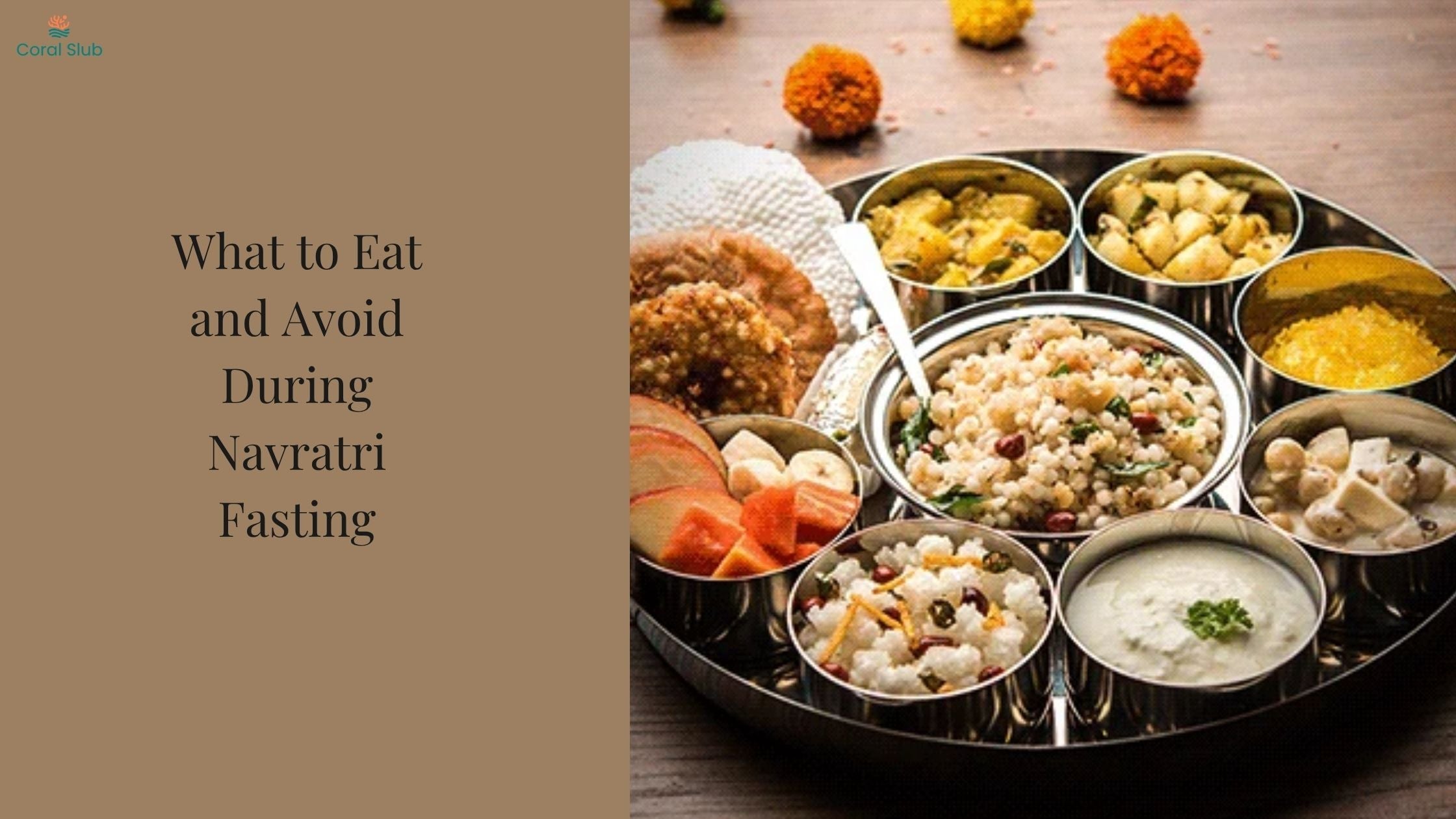
Navratri is a festival of devotion, prayer, celebration, and, for many devotees, fasting. During the nine days of Navratri, fasting practices can vary considerably from one family and region to another. Some people observe a strict fast with limited food, while others follow a more flexible routine that includes fruits, dairy products, fasting grains, vegetables, and one or more light meals during the day. The dietary practice is therefore not simply about avoiding certain foods. It is also about observing a period of discipline while remaining mindful of nourishment and hydration.
Traditional fasting foods such as sabudana, kuttu, singhara, rajgira, samak rice, potatoes, fruits, nuts, dairy products, and makhana form an important part of many Navratri menus. At the same time, commonly consumed ingredients such as wheat, rice, regular flour, lentils, onions, garlic, and certain spices are generally avoided by people following traditional fasting rules. The exact rules, however, can differ according to family customs and regional practices.
For anyone observing Navratri fasting, understanding these food traditions can make it easier to plan meals that respect the fast while providing adequate nourishment throughout the day.
Understanding Navratri Fasting

Navratri fasting is traditionally associated with devotion to Goddess Durga. The practice varies widely. Some devotees consume only water, while others eat fruits and nuts, drink milk, or have a limited number of specially prepared meals during the fasting period. Because there is no single fasting routine followed by everyone, what is considered permissible can depend on individual, family, and regional traditions.
For those following a food-based fast, the emphasis is generally placed on ingredients considered suitable for the occasion. These include specific flours and grains, fruits, vegetables, dairy products, nuts, and fasting-friendly ingredients such as sabudana and makhana.
A well-planned fasting routine should also take hydration and overall nutritional needs into account. The source material particularly emphasises maintaining adequate fluids, consuming balanced meals, and avoiding excessive restriction that may leave a person weak or depleted.
What Can You Eat During Navratri Fasting?
Kuttu, Singhara and Rajgira

Regular wheat flour and many conventional grains are avoided during traditional Navratri fasting. Instead, kuttu or buckwheat flour, singhara or water chestnut flour, and rajgira or amaranth flour are commonly used.
These ingredients can be turned into familiar fasting preparations such as rotis, cheelas, puris, and other dishes. They allow devotees to maintain some variety in their meals while following their preferred fasting traditions.
Samak Rice
 Samak rice, also known as barnyard millet, is another commonly used ingredient during Navratri. It can be prepared in forms similar to familiar rice-based dishes and is used in preparations such as pulao and other fasting meals.The ingredient can be particularly useful for people who want a more substantial meal while avoiding conventional rice during the fasting period.
Sabudana

Sabudana, or tapioca pearls, is one of the most recognisable Navratri fasting ingredients. Sabudana khichdi, sabudana preparations with peanuts, and other variations are commonly associated with fasting menus.
Combining sabudana with ingredients such as peanuts or yoghurt can create a more substantial meal than consuming the tapioca pearls alone. The supplied source also recommends combining carbohydrates with protein and healthy fats when planning fasting meals.
Fruits and Dry Fruits
 Fruits are a simple and widely used option during Navratri fasting. Bananas, apples, watermelon, pomegranate, papaya, and coconut can be incorporated into meals or eaten as snacks. Nuts and dry fruits such as almonds, walnuts, cashews, raisins, and pistachios can also be included according to individual fasting traditions.
Fruits and nuts can be particularly useful when someone prefers a lighter fasting routine or wants something convenient between meals.
Vegetables

Several vegetables are commonly included in Navratri fasting meals. Potatoes, sweet potatoes, pumpkin, bottle gourd, cucumber, and similar fasting-friendly vegetables can be prepared in a variety of ways.
Rather than relying entirely on fried foods, these vegetables can be incorporated into curries, soups, roasted preparations, chaats, and lighter meals. The source specifically suggests options such as lauki sabzi, pumpkin sabzi, and sweet potato chaat.
Dairy Products

Milk, yoghurt, paneer, buttermilk, ghee, and other dairy products are commonly included in many Navratri fasting traditions. They can also help add variety to a diet that excludes several everyday staples.
Curd or yoghurt can be paired with fasting meals, while paneer can provide a substantial ingredient for savoury dishes. Milk and buttermilk can also contribute to fluid intake.
Makhana

Makhana, or fox nuts, has become a popular fasting food because it can be prepared as a light snack. Roasting makhana with a small amount of ghee is one option mentioned in the supplied source.
It can be used as an alternative to heavily fried fasting snacks when someone wants something lighter between meals.
What Should You Avoid During Navratri Fasting?

Traditional fasting restrictions vary, but the supplied source identifies several categories that are commonly avoided.
Regular grains such as wheat and rice, along with cornflour, maida, and semolina, are generally excluded from the fasting menu described in the source. Lentils and beans are also listed among foods to avoid.
Certain ingredients such as onions, garlic, brinjal, cauliflower, and mushrooms are also traditionally avoided by many people observing this form of fast. Common salt and certain spices, including turmeric, asafoetida, and mustard seeds, are likewise listed as restricted in the supplied source.
Non-vegetarian foods, including eggs, meat, and fish, are excluded from the fasting diet described in the source, along with alcohol and other beverages or processed foods that may not fit particular fasting practices.
Because fasting traditions differ, it is useful to follow the specific dietary customs observed by your family or community rather than assuming that every rule applies universally.
Sendha Namak and Navratri Fasting

Sendha namak, or rock salt, is widely associated with fasting food in India. It is commonly used in place of ordinary table salt in many Navratri preparations.
It can be used to season dishes such as potato preparations, sabudana khichdi, vegetable dishes, and fasting-friendly snacks. The source identifies rock salt as one of the ingredients commonly included in Navratri fasting.
The exact dietary rules surrounding salt and other ingredients can vary by household, so traditional practice should be considered when planning meals.
How to Plan a Balanced Navratri Fasting Meal

Fasting does not necessarily mean eating very little throughout the day. For people following a food-based fast, planning meals carefully can help maintain energy while staying within their chosen dietary restrictions.
A simple morning meal could include milk with soaked nuts or fruit. Breakfast could feature a kuttu cheela, sabudana khichdi with peanuts, or fruit with yoghurt. During the day, coconut water or another permitted drink can provide additional fluids. A lunch based on rajgira roti with lauki sabzi, samak rice preparation, or kuttu puri with cucumber raita can provide a more substantial meal.
For an evening snack, roasted makhana, sweet potato chaat, or dates and nut-based energy bites can provide an alternative to deep-fried snacks. Dinner can be kept lighter with preparations such as lauki soup, pumpkin sabzi with kuttu roti, or a light makhana dessert.
Healthy Fasting Tips for Navratri

Stay Hydrated
Hydration is an important part of fasting. Water, coconut water, and permitted fluids such as light buttermilk can be incorporated throughout the day according to individual fasting practices.
Drinking enough fluids becomes particularly important when meals are limited. The supplied source recommends paying attention to hydration alongside food choices during the nine-day period.
Choose Smaller, Balanced Meals
Instead of depending on one very heavy meal, some people may find smaller meals easier to manage. Combining suitable carbohydrates with sources of protein and healthy fats can help create more balanced meals.
For example, sabudana can be paired with peanuts or yoghurt, while vegetables can be combined with paneer or other permitted ingredients.
Limit Deep-Fried Foods
Many popular Navratri foods are fried, but fasting does not require every meal to be deep-fried. Roasted makhana, baked sweet potato preparations, grilled vegetables, and steamed fasting-friendly dishes can provide alternatives.
Reducing excessive oil can also make meals feel lighter, particularly when several days of fasting are involved.
Listen to Your Body
Fasting affects different people differently. Paying attention to symptoms such as unusual weakness, dizziness, dehydration, or persistent discomfort is important. The supplied source also recommends adequate sleep and adjusting one's pace when necessary.
Who Should Be Careful While Fasting?

Strict fasting is not appropriate for everyone. The supplied medical source specifically advises people with conditions such as diabetes, hypertension, or heart disease to consult their doctor before fasting. It also notes that pregnant and nursing women, young children, older adults, and people with certain ongoing health conditions may need modified fasting practices or should avoid strict fasting.
Anyone who takes regular medication or has an existing medical condition should discuss fasting with an appropriate healthcare professional before making significant changes to their diet. Religious observance should not come at the expense of necessary medical care or nutrition.
How to Break Your Navratri Fast

Breaking a fast is also an important part of the process. After several days of restricted eating, suddenly consuming large quantities of heavy or fried foods may be uncomfortable.
A gentler approach is to gradually return to regular foods, beginning with lighter and easily tolerated meals. The supplied source specifically advises against immediately eating heavy foods such as fritters or chips after fasting and recommends bringing foods back into the diet gradually.
Conclusion

Navratri fasting is a combination of religious observance, dietary discipline, and cultural tradition. While fasting rules differ across families and regions, ingredients such as kuttu, singhara, rajgira, samak rice, sabudana, fruits, vegetables, dairy products, nuts, and makhana are commonly used in fasting meals.
The key is to approach the nine days thoughtfully. Meals can remain simple and traditional without relying entirely on fried foods, while adequate hydration, balanced nutrition, sufficient rest, and attention to individual health needs remain important.
Ultimately, Navratri fasting is not simply about creating a list of foods that can or cannot be eaten. It is a personal practice shaped by faith, tradition, and individual circumstances. Understanding the food customs allows devotees to observe the festival in a way that respects both its cultural significance and their own well-being.
Frequently Asked Questions About Navratri Fasting
What are the most common foods eaten during Navratri fasting?
Common fasting foods include sabudana, kuttu, rajgira, singhara, samak rice, potatoes, sweet potatoes, pumpkin, bottle gourd, fruits, nuts, dairy products, and makhana. Which foods are permitted can vary according to family and regional traditions.
Can you eat fruits and dry fruits during Navratri fasting?
Yes. Fruits and dry fruits are commonly included in Navratri fasting diets. Bananas, apples, pomegranate, papaya, coconut, almonds, walnuts, cashews, raisins, and pistachios are among the options mentioned in the supplied source.
Can you eat dairy products during Navratri fasting?
Milk, curd, paneer, buttermilk, ghee, and other dairy products are commonly included in many fasting traditions. However, individual dietary practices can differ.
Can you eat rice and wheat during Navratri fasting?
Traditional fasting practices described in the source generally avoid regular rice and wheat. Ingredients such as samak rice, kuttu, rajgira, and singhara are commonly used instead.