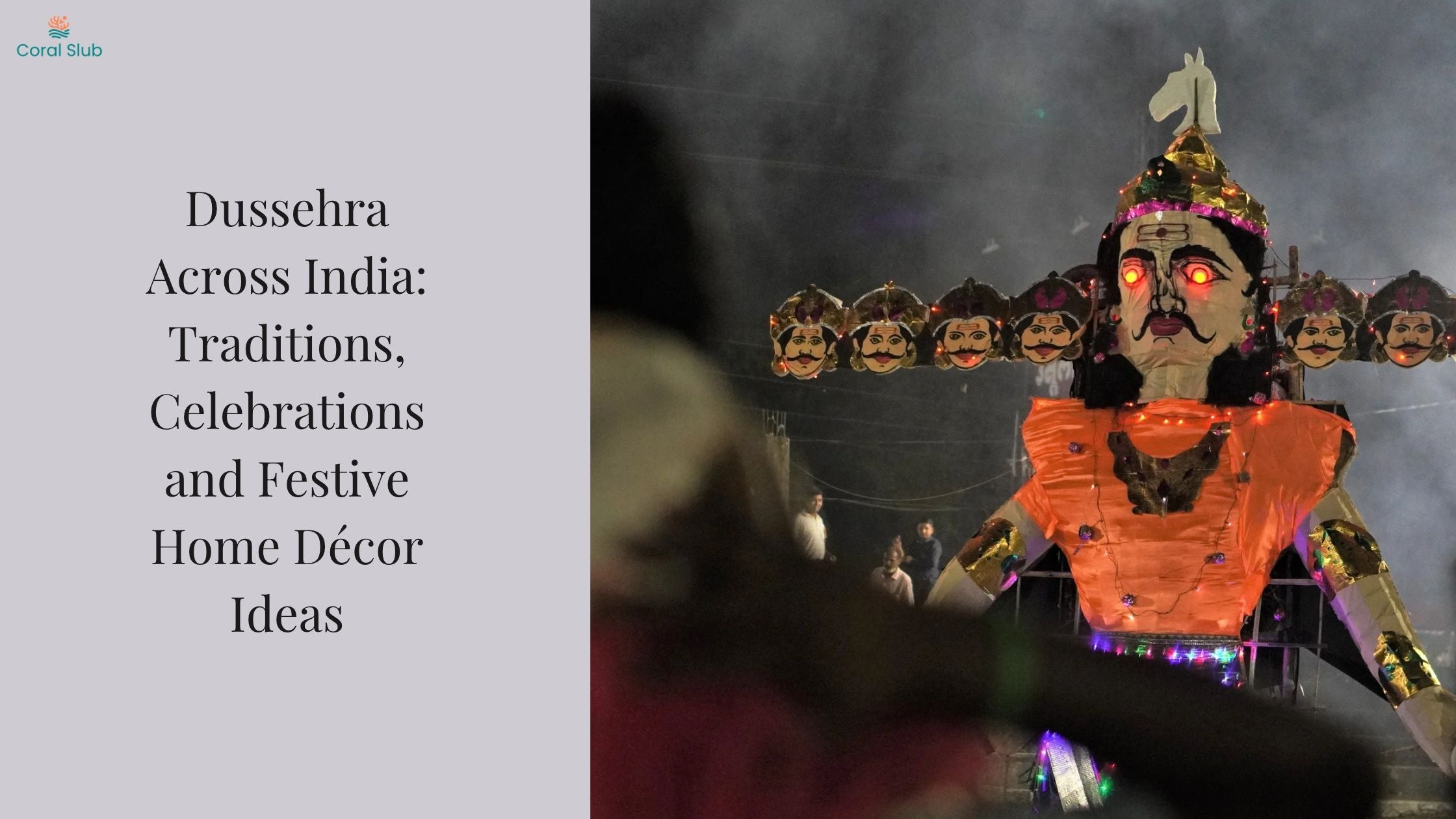
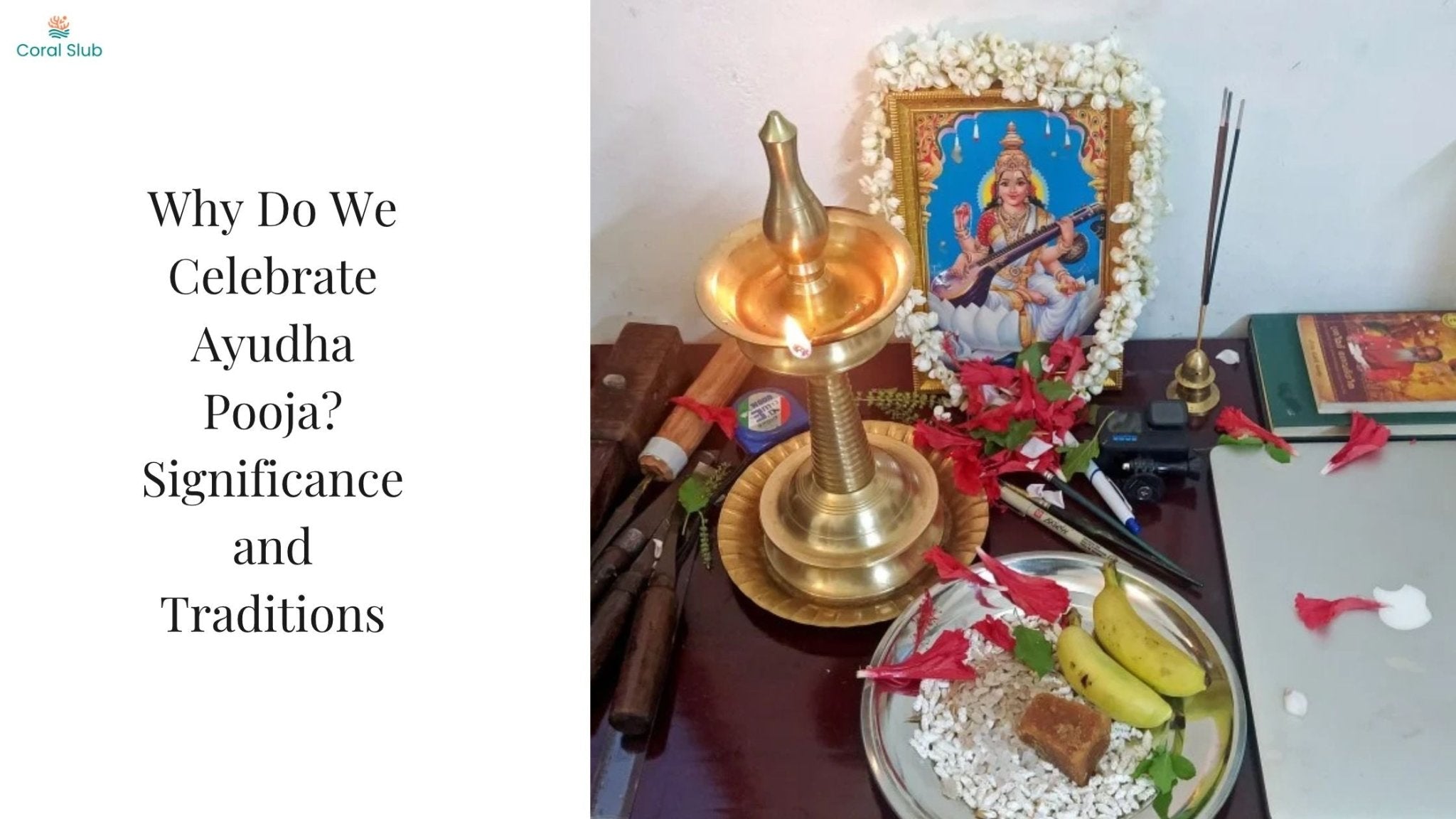
Dussehra is one of India's most significant festivals, celebrated through religious rituals, cultural performances, grand processions and family gatherings. Also known as Vijayadashami or Dasara, the festival marks an important moment in the Hindu festive calendar and is widely associated with the triumph of good over evil. While many parts of North India commemorate Lord Rama's victory over Ravana, several other regions celebrate the victory of Goddess Durga over Mahishasura. These different traditions reflect the diversity of India's religious beliefs, regional identities and cultural heritage.
Beyond its spiritual significance, Dussehra brings people together through festive food, traditional clothing, community celebrations and beautifully decorated homes. Streets and public spaces come alive with colour, temples welcome devotees, and families prepare their homes for the celebrations. From the dramatic Ramlila performances of North India to the illuminated Mysore Palace in Karnataka and the artistic grandeur of Durga Puja in Bengal, every region brings its own character to the festival.
Dussehra is also an opportunity to refresh your home with thoughtful decorative details. Colourful cushion covers, printed table runners, fresh flowers and warm lighting can create an inviting atmosphere for family gatherings without requiring an elaborate makeover. Understanding the traditions behind the festival makes these preparations even more meaningful.
What Is Dussehra and Why Is It Celebrated?
Dussehra is observed on Vijayadashami, the tenth day associated with the culmination of Sharad Navratri. The festival is celebrated in different ways across India, with regional traditions drawing on distinct religious narratives and cultural practices.
The Story of Lord Rama and Ravana
 In the Ramayana tradition, Dussehra commemorates Lord Rama's victory over Ravana, the king of Lanka, following the abduction of Sita. The burning of Ravana's effigies during public celebrations symbolises the defeat of evil and the restoration of righteousness. Ramlila performances, which dramatise episodes from the Ramayana, are an important part of these celebrations in many parts of North India.
The story is commonly understood as a reminder of the importance of courage, integrity and the responsibility to stand against wrongdoing. For many devotees, the festival represents the belief that truth and righteousness ultimately prevail over destructive forces.
The Victory of Goddess Durga
In traditions associated with Goddess Durga, Vijayadashami marks her victory over Mahishasura, a powerful demon who threatened the balance of the world. The goddess's triumph represents the victory of divine power over destructive forces and is central to the celebrations of Durga Puja in Bengal and other parts of eastern India.
Although the stories and rituals differ, both traditions share a broader theme of overcoming adversity and restoring balance. This common message gives Dussehra its enduring cultural and spiritual significance.
How Is Dussehra Celebrated Across Different Regions of India?
India's regional Dussehra celebrations demonstrate how a shared festival can take on different forms through local traditions, religious practices, music, art and community participation.
1. North India:
In many parts of North India, Dussehra is closely associated with Ramlila, a dramatic performance depicting episodes from the Ramayana. These performances are organised in public grounds, neighbourhoods and community spaces, often over several days leading up to Vijayadashami. Actors portray familiar characters from the epic, bringing the story to life through dialogue, music, costumes and theatrical scenes.
On Dussehra, large effigies of Ravana, Meghnath and Kumbhakarna are traditionally set alight during Ravan Dahan ceremonies. Families and visitors gather to watch the spectacle, often accompanied by festive fairs, food stalls and cultural performances. Delhi is among the places known for its large-scale Ramlila events and public celebrations.
The festival also brings families together for temple visits, festive meals and traditional attire. Its lively public atmosphere makes Dussehra an important occasion for community participation and the sharing of cultural stories across generations.
2. West Bengal:
In West Bengal, Dussehra is closely connected with the conclusion of Durga Puja, one of the region's most important annual celebrations. The days leading up to Vijayadashami feature elaborately decorated pandals, artistic idols of Goddess Durga, devotional music, cultural performances and community gatherings.
The final day, known as Vijaya Dashami, marks the ceremonial farewell to the goddess. Idol immersion forms an important part of the observance, while traditions such as sindoor khela are practised in many communities. During this ritual, married women apply vermilion to one another as part of the farewell celebrations, although customs vary across households and communities.
Durga Puja is also a celebration of artistic expression. Intricate pandal designs, decorative lighting, traditional textiles and floral arrangements transform public spaces into immersive cultural experiences. These elements offer inspiration for home décor that celebrates colour, craftsmanship and the beauty of Indian traditions.
3. Karnataka:
 Mysuru Dasara is one of India's most recognisable regional celebrations associated with Dussehra. The festival combines religious observances with cultural programmes, music, dance, processions and public festivities. Its traditions are closely associated with the worship of Goddess Chamundeshwari and her victory over Mahishasura.
One of the most striking features of the celebration is the illumination of Mysore Palace, which becomes a visual centrepiece during the festive period. The traditional procession, featuring decorated elephants and cultural tableaux, is another major attraction. Together, these events reflect the historical and cultural importance of Dasara in Karnataka.
The royal aesthetic of Mysuru offers inspiration for elegant festive interiors. Rich textiles, carefully arranged flowers, brass accents and warm lighting can create a sense of occasion without making a space feel crowded. The emphasis is on thoughtful details, balanced colours and the beauty of traditional craftsmanship.
4. Himachal Pradesh:
Kullu Dussehra is distinctive because its main celebrations begin on Vijayadashami and continue for several days. The festival is known for its processions, regional deities and community gatherings, reflecting the religious traditions of the Kullu Valley.
Decorated palanquins carrying local deities are brought together for ceremonial processions, with Dhalpur Maidan serving as an important gathering place. The festival brings communities together through rituals and customs that have been maintained across generations.
Unlike celebrations centred primarily on the story of Rama and Ravana, Kullu Dussehra places considerable emphasis on local devotional traditions and the relationships between communities and their deities. It demonstrates how regional beliefs shape the way a widely observed festival is experienced.
5. Andhra Pradesh:
In Andhra Pradesh, the celebrations at Vijayawada's Kanaka Durga Temple are particularly significant during Navratri and Vijayadashami. Situated on Indrakeeladri Hill, the temple becomes an important centre of worship, welcoming devotees who come to seek the blessings of Goddess Durga.
During the festive period, the goddess is adorned in different forms through ceremonial decorations known as alankarams. Devotees participate in prayers and rituals that reflect the religious importance of the occasion, with the broader celebrations associated with the victory of the goddess over Mahishasura.
The use of flowers, textiles and decorative elements in these observances highlights the importance of presentation and craftsmanship in religious traditions. At home, a similarly thoughtful approach can be used to prepare a puja corner, with fresh flowers, carefully arranged prayer essentials and simple traditional accents.
6. Chhattisgarh:
Bastar Dussehra is another distinctive celebration, known for its connection with the region's tribal communities, local deities and ceremonial traditions. Closely associated with Goddess Danteshwari, the festival has its own identity and extends over a much longer period than the single-day observance commonly associated with Dussehra elsewhere.
Its rituals, processions and community gatherings reflect the cultural heritage of Bastar. Rather than focusing primarily on the story of Rama's victory over Ravana, the celebration centres on regional religious practices and the relationship between local communities and their deities.
Bastar Dussehra is an important reminder that India's festivals cannot always be understood through a single narrative. Regional histories, local beliefs and community traditions contribute to the many ways cultural celebrations continue to evolve.
Festive Home Décor Ideas Inspired by Dussehra
Dussehra is a wonderful opportunity to make your home feel welcoming for family gatherings and festive rituals. You do not need to redecorate every room to create a celebratory atmosphere. A few well-chosen textiles, fresh flowers, warm lighting and traditional accents can refresh familiar spaces while keeping them comfortable and practical.
Refresh Your Living Room with Colourful Cushion Covers
The living room often becomes the centre of festive gatherings, making it a natural place to begin decorating. Changing your everyday cushion covers is a simple way to introduce seasonal colour without replacing furniture or making major changes to the room.
Block print cushion covers can bring traditional Indian patterns into the space, while embroidered designs add texture and decorative detail. Shades such as red, saffron, mustard yellow, deep pink and earthy green can create a festive atmosphere. If your furniture already features bold colours or patterns, choose complementary cushion covers that create balance rather than competing for attention.
For a more considered arrangement, combine patterned cushions with solid-coloured ones. This allows the prints to stand out while keeping the overall setting visually balanced. After Dussehra, the same cushion covers can continue to brighten your home throughout the wider festive season.
Create a Beautiful Puja Corner with Traditional Textiles
For households that observe Dussehra through prayers and rituals, the puja corner can become a meaningful focal point. Begin by cleaning the space and arranging the items required for your family's worship traditions.
A decorative cloth or small table runner can help define the area, while fresh marigolds and roses introduce colour. Brass or copper accents can complement the traditional setting, and warm LED lights can create a gentle glow. If you use traditional diyas, place them on stable, heat-resistant surfaces and keep them away from fabrics, flowers and other combustible materials.
Choose a palette that complements the space rather than introducing too many competing shades. Red, saffron, cream and gold can create a traditional look, while white flowers and natural textures offer a quieter alternative. The aim is to create a clean, respectful and inviting setting that reflects the significance of the occasion.
Style Your Dining Table with Printed Table Runners
Festive meals and family gatherings are an important part of Dussehra. A thoughtfully styled dining table can make these moments feel more special, whether you are hosting relatives, inviting friends or enjoying a meal with your immediate family.
A block print table runner can introduce colour and traditional motifs, while a quilted runner adds texture. Pair the runner with coordinating placemats, simple crockery and a small floral arrangement to create a welcoming setting.
Keep the centrepiece low enough to allow conversation and leave sufficient space for serving dishes. The objective is to create a table that looks beautiful while remaining practical. Choosing versatile dining textiles also means you can reuse them for Diwali, birthdays and other family celebrations.
Add Fresh Flowers and Warm Lighting
Flowers and lighting can transform a room without requiring numerous decorative accessories. Marigolds are a familiar choice for Indian festive décor, while roses and other seasonal flowers can introduce softer colours. Arrange them in simple vases, use them near the entrance or place a small arrangement on a console table.
Warm LED lighting and decorative lanterns can make the living room or entrance feel more inviting. If you use traditional diyas, position them safely away from curtains, cushions, table linen and other flammable materials.
Instead of decorating every corner, select a few focal points. A floral entrance, a softly illuminated living room and a carefully styled dining table can create a cohesive festive atmosphere throughout your home.
Celebrate Dussehra with Coral Slub
At Coral Slub, home textiles bring together colour, pattern and thoughtful design to make everyday spaces feel more personal. From block print cushion covers and embroidered designs to table runners, dining linen and bedsheets, versatile textiles can help refresh your home for Dussehra and the wider festive season.
A few carefully selected pieces can create a noticeable difference. Colourful cushion covers can brighten the living room, a patterned table runner can make festive meals feel more special, and fresh bedding can give the bedroom a seasonal refresh. By choosing designs that complement your existing furniture and décor, you can create a festive atmosphere without making unnecessary changes.
The most inviting festive homes are not necessarily those with the most decorations. They are spaces where colour, comfort and meaningful details come together naturally.
Conclusion:
Dussehra is celebrated across India through a remarkable variety of traditions, from Ravan Dahan and Ramlila performances in the north to Vijaya Dashami in Bengal, Mysuru Dasara in Karnataka, Kullu Dussehra in Himachal Pradesh and the worship of Goddess Durga in Andhra Pradesh. Each region gives the festival its own identity while retaining its broader association with the triumph of good over evil.
These celebrations also offer inspiration for bringing festive warmth into the home. Colourful cushion covers, traditional textiles, floral arrangements, warm lighting and thoughtfully styled dining spaces can help create a welcoming atmosphere for family and friends.
As you prepare for Dussehra, embrace the traditions that are meaningful to your family and decorate with pieces that reflect your personal style. With a little planning and a few versatile accents, your home can feel festive, comfortable and ready for the celebrations ahead.
Frequently Asked Questions About Dussehra
1.Why is Dussehra celebrated in India?
Dussehra is celebrated to mark the victory of good over evil. In many North Indian traditions, it commemorates Lord Rama's victory over Ravana, while in traditions associated with Goddess Durga, Vijayadashami marks her victory over Mahishasura.
2.What is the difference between Dussehra and Vijayadashami?
The terms are often used interchangeably for the tenth day associated with the culmination of Navratri. Regional customs differ, and the festival may be known as Dasara or Vijaya Dashami depending on the location and tradition.
3.How is Dussehra celebrated in different parts of India?
Celebrations include Ramlila and Ravan Dahan in many parts of North India, Vijaya Dashami and the conclusion of Durga Puja in Bengal, Mysuru Dasara in Karnataka, Kullu Dussehra in Himachal Pradesh, and worship at Kanaka Durga Temple in Vijayawada. Bastar Dussehra in Chhattisgarh has its own distinctive regional traditions.
4.How can I decorate my home for Dussehra?
You can refresh your living room with colourful cushion covers, style the puja corner with flowers and traditional accents, use a printed table runner for festive meals, and add warm lighting to selected areas. A coordinated colour palette helps the decorations feel balanced.
5.How can I reuse Dussehra decorations for Diwali?
Choose versatile cushion covers, table runners, placemats, bedsheets and throws that work for multiple occasions. Store reusable decorative items carefully after the celebrations and combine them with fresh flowers or lighting to create a slightly different look for Diwali.