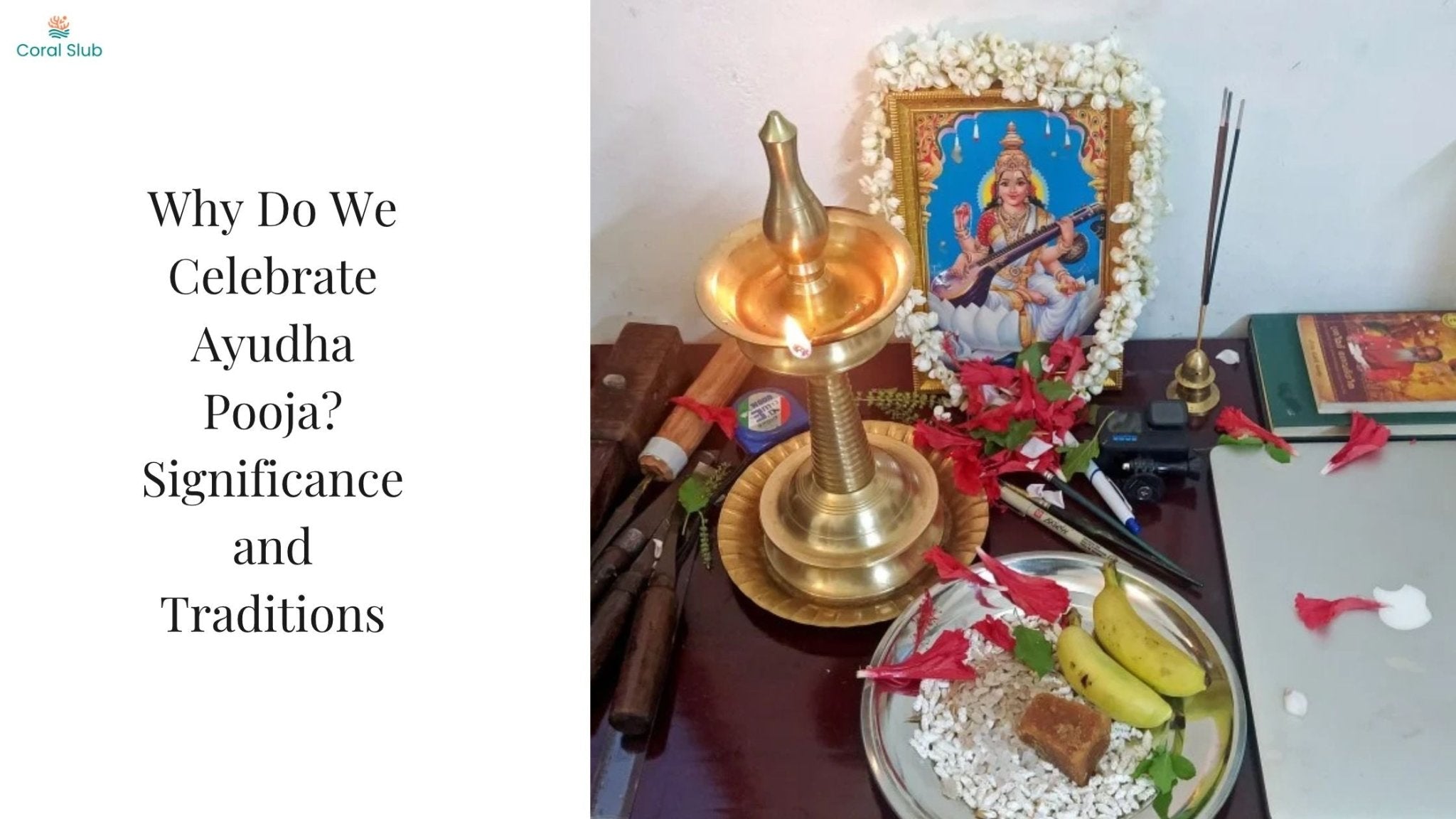
Among India's many festivals, Ayudha Pooja holds a special place because it celebrates the tools, instruments and resources that help people learn, work and earn a living. Observed during Navratri, particularly in South India, the festival is an expression of gratitude towards the objects that support our everyday responsibilities. From a farmer's agricultural equipment and an artisan's tools to a musician's instrument, a student's books and an office worker's computer, Ayudha Pooja reminds us that the things we use to perform our duties deserve care and respect.
The word Ayudha is commonly translated as weapon or instrument, while Pooja refers to worship. Although the tradition has connections with the worship of divine weapons, its significance extends to the tools and equipment associated with different professions and livelihoods. During the festival, people clean their workplaces, decorate their tools and vehicles, and offer prayers for well-being, prosperity and success in their work. These practices reflect a broader cultural belief that meaningful work depends on both human skill and the resources that make it possible.
What Is Ayudha Pooja?
Ayudha Pooja is a Hindu festival observed during the Navratri period, with particular importance in Tamil Nadu, Karnataka, Kerala, Andhra Pradesh and Telangana. It is commonly associated with the ninth day of Navratri, known as Mahanavami, although the exact day and the relationship between regional observances can vary. The festival is closely connected with the worship of Goddess Durga and, in many households, with Saraswati, the goddess traditionally associated with knowledge, learning, music and the arts.
The central tradition involves cleaning and worshipping the objects used in everyday work. These may include agricultural implements, machinery, vehicles, tools, books, musical instruments, sewing machines and computers. In homes, shops, factories, offices and workshops, the ritual takes different forms depending on the occupations and traditions of the people observing it.
Why Is Ayudha Pooja Celebrated?
The central purpose of Ayudha Pooja is to express gratitude for the tools, instruments and resources that support our work and daily lives. The festival recognises that occupations differ, but every form of meaningful work relies on some combination of knowledge, effort, skill and the right equipment.
Honouring the Tools of Our Livelihood
For generations, people have depended on specialised tools to carry out their professions. Farmers use ploughs, sickles and other agricultural implements, while carpenters work with saws and chisels. Weavers depend on looms, potters use their tools to shape clay, and tailors rely on needles and sewing machines. For these workers, their equipment is closely connected to their livelihood and the products or services they provide.
The significance of the festival is not limited to traditional occupations. Modern professionals may include laptops, computers, cameras, printers and other work-related equipment in their observances. This ability to accommodate changing tools and professions helps keep Ayudha Pooja relevant in contemporary life.
Seeking Blessings for Prosperity and Success
Many devotees observe Ayudha Pooja to seek blessings for the continued success of their work and the well-being of their families. Business owners may include shop equipment, office materials and machinery in their prayers, while people who depend on vehicles for their livelihood may decorate and worship them.
These practices express hopes for a productive year, fewer obstacles and the ability to carry out responsibilities successfully. The festival is also an opportunity to pause, acknowledge past efforts and begin the next phase of work with renewed commitment.
Although the objects included in the ritual differ from one household or profession to another, the underlying sentiment remains similar: gratitude for the resources people depend on and respect for the work they perform.
The Religious and Mythological Significance of Ayudha Pooja
Ayudha Pooja is closely connected with the larger traditions of Navratri, a festival that honours the divine feminine and is associated in Hindu tradition with the victory of Goddess Durga over the demon Mahishasura. In this broader narrative, the goddess's weapons represent divine power and the ability to overcome destructive forces. Ayudha Pooja extends the symbolism of weapons and instruments into everyday life, where tools help people carry out their duties and overcome practical challenges.
Another traditional association links the festival with the Pandavas from the Mahabharata. According to a popular account, the Pandavas concealed their weapons during their period of exile and later retrieved them before resuming their lives and responsibilities. The story is associated with the importance of weapons and their ceremonial worship around Vijayadashami in some traditions.
These narratives provide religious and cultural context for the observance, although the details and emphasis may differ across regions and communities. The festival's wider significance is found in the way it connects divine symbolism with the everyday tools through which people work, create and serve others.
What Is Worshipped During Ayudha Pooja?
The objects included in Ayudha Pooja depend on a person's occupation, interests and family traditions. The common principle is to honour the tools and resources that play an important role in everyday responsibilities.
Agricultural Tools and Machinery
For farming communities, agricultural equipment is essential to cultivation and livelihood. Traditional tools such as ploughs, sickles and spades, along with modern farming machinery, may be cleaned and decorated before prayers are offered. The observance reflects gratitude for the equipment that supports agricultural work and the hope for continued productivity.
Vehicles and Transportation Equipment
Vehicles are another prominent part of Ayudha Pooja, particularly for people whose work depends on transportation. Cars, motorcycles, buses, trucks, tractors and commercial vehicles may be washed, decorated with flowers and offered prayers. For drivers and transport operators, these vehicles represent more than convenience because they can be essential to earning a living and supporting a family.
Books and Educational Materials
Books, notebooks, pens and other learning materials may also be included in Ayudha Pooja. Their presence reflects the close relationship between knowledge and the tools used to acquire it. Students may pray for concentration and progress in their studies, while teachers and other education professionals may express gratitude for the resources that support learning.
In many South Indian households, this practice overlaps with Saraswati Pooja, which places particular emphasis on learning, knowledge, music and the arts. The two observances are related but are not identical in meaning or emphasis.
Office Equipment and Digital Tools
Contemporary work increasingly depends on digital technology, and Ayudha Pooja can accommodate these changes. Computers, laptops, printers, cameras and other professional equipment may be included in the ritual, depending on personal and family practice.
This reflects the adaptability of the festival. The objects used to perform work have changed considerably over time, but the underlying idea of gratitude for the resources that support one's livelihood continues to resonate.
Musical Instruments and Creative Tools
Musicians, dancers, artists and craftspeople may honour the instruments and equipment that support their creative practice. Musical instruments, paintbrushes, sewing machines and other specialised tools can become part of the observance.
These traditions recognise that creativity requires both talent and practice, as well as the tools through which ideas are expressed. Ayudha Pooja therefore extends beyond manual labour and commercial work to celebrate artistic skill and cultural expression.
What Is the Difference Between Ayudha Pooja and Saraswati Pooja?
Ayudha Pooja and Saraswati Pooja are closely related in many South Indian traditions, but their central emphasis differs. Ayudha Pooja focuses on honouring the tools, instruments, machinery and equipment that support work and livelihood. Saraswati Pooja centres on Goddess Saraswati and the values associated with knowledge, learning, wisdom, music and the arts.
The two observances often overlap because the tools of work and learning are closely connected. Books, musical instruments and educational materials may be included in both, depending on regional and family practices. In some places, the rituals are observed together or across the final days of Navratri.
Their shared message is that knowledge and practical skill deserve respect. Learning provides the understanding required to perform a task, while tools help people apply that knowledge in the world. Together, the observances celebrate the relationship between wisdom, effort, creativity and action.
The Importance of Ayudha Pooja in Modern Life
The significance of Ayudha Pooja extends well beyond traditional occupations. Modern life relies on a wide range of tools, from digital devices and office equipment to specialised machinery used in healthcare, design, manufacturing and communication.
The festival offers an opportunity to recognise how much daily life depends on these resources and on the people who know how to use them. A computer supports a professional's work, a camera helps a photographer tell stories, and a set of instruments enables a musician to create and perform. Each object serves a different purpose, but all become valuable through the knowledge and effort of the person using them.
Ayudha Pooja also encourages a more thoughtful relationship with material resources. Cleaning and maintaining equipment, using tools responsibly and appreciating the effort behind skilled work are practical values that can be carried beyond the festival itself.
For students and professionals, the occasion can be a reminder to approach learning and work with renewed focus. For business owners, it can provide an opportunity to acknowledge employees, equipment and the collective effort required to sustain an enterprise. For families, it offers a way to pass cultural traditions to younger generations while explaining their meaning in a contemporary context.
How to Prepare Your Home for Ayudha Pooja
Preparing for Ayudha Pooja often begins with cleaning and organising the home or workplace. The tools and equipment selected for the ritual are arranged neatly, and the space may be decorated with flowers, traditional lamps and other items used according to family custom.
In homes where books and musical instruments are included, a dedicated area can be arranged to bring these objects together. Vehicles may be cleaned and decorated safely, while workspaces can be tidied to create a suitable setting for prayers. The specific rituals, offerings and arrangements vary, so families may follow their customary practices or local guidance.
Festive decorations can also make the occasion feel special. Fresh flowers, simple rangoli designs, traditional fabrics and carefully arranged accessories can bring colour and warmth to the space. The aim is not to create an elaborate display but to prepare a clean, respectful setting that reflects the meaning of the celebration.
For those who enjoy home styling, colourful textiles and traditional patterns can complement the festive atmosphere. A thoughtfully chosen table runner or decorative cushion cover can add a seasonal touch to the living or dining area without distracting from the central rituals. These details help create a welcoming environment for family members and guests while keeping the focus on the occasion's cultural and spiritual significance.
Conclusion
Ayudha Pooja is celebrated to honour the tools, instruments and resources that support our work, learning and everyday responsibilities. Observed during Navratri, particularly across South India, the festival connects religious traditions with the practical realities of different professions and livelihoods.
From agricultural implements and vehicles to books, computers and musical instruments, the objects included in the ritual reflect the many ways people learn, create and earn a living. Regional celebrations in Tamil Nadu, Karnataka, Kerala, Andhra Pradesh and Telangana add distinctive customs while preserving the broader message of gratitude and respect.
More than a ritual centred on physical objects, Ayudha Pooja is a reminder of the dignity of labour, the importance of skilled work and the value of using resources responsibly. By appreciating the tools that support our lives and recognising the people whose knowledge gives them purpose, we can carry the spirit of the festival into our everyday actions.
Frequently Asked Questions
1.Why do we celebrate Ayudha Pooja?
Ayudha Pooja is celebrated to honour the tools, instruments, machinery and other resources that support work and livelihood. It expresses gratitude for these objects and recognises the importance of knowledge, skill and effort.
2.When is Ayudha Pooja celebrated?
Ayudha Pooja is observed during Navratri, particularly in South India, and is commonly associated with Mahanavami, the ninth day of the festival. The exact date and regional observance can vary according to the calendar and local tradition.
3.What items are worshipped during Ayudha Pooja?
Common items include agricultural tools, machinery, vehicles, books, notebooks, computers, musical instruments, sewing machines and other equipment used for work or learning. The objects selected depend on a person's occupation and family customs.
4.Is Ayudha Pooja the same as Saraswati Pooja?
No. Ayudha Pooja focuses on tools and equipment associated with work and livelihood, while Saraswati Pooja focuses on Goddess Saraswati and the values of knowledge, learning, music and the arts. The two are closely connected and may be observed together in many South Indian households.
5.Why are vehicles worshipped during Ayudha Pooja?
Vehicles are important tools for transportation and, for many people, a source of livelihood. Cleaning, decorating and worshipping them expresses gratitude for their role in daily life and reflects hopes for safety and continued prosperity.
6.How can Ayudha Pooja be celebrated at home?
Families may clean and organise their tools, books or work equipment, arrange them respectfully, decorate the space with flowers and offer prayers according to their traditions. The specific rituals vary by region and family practice.