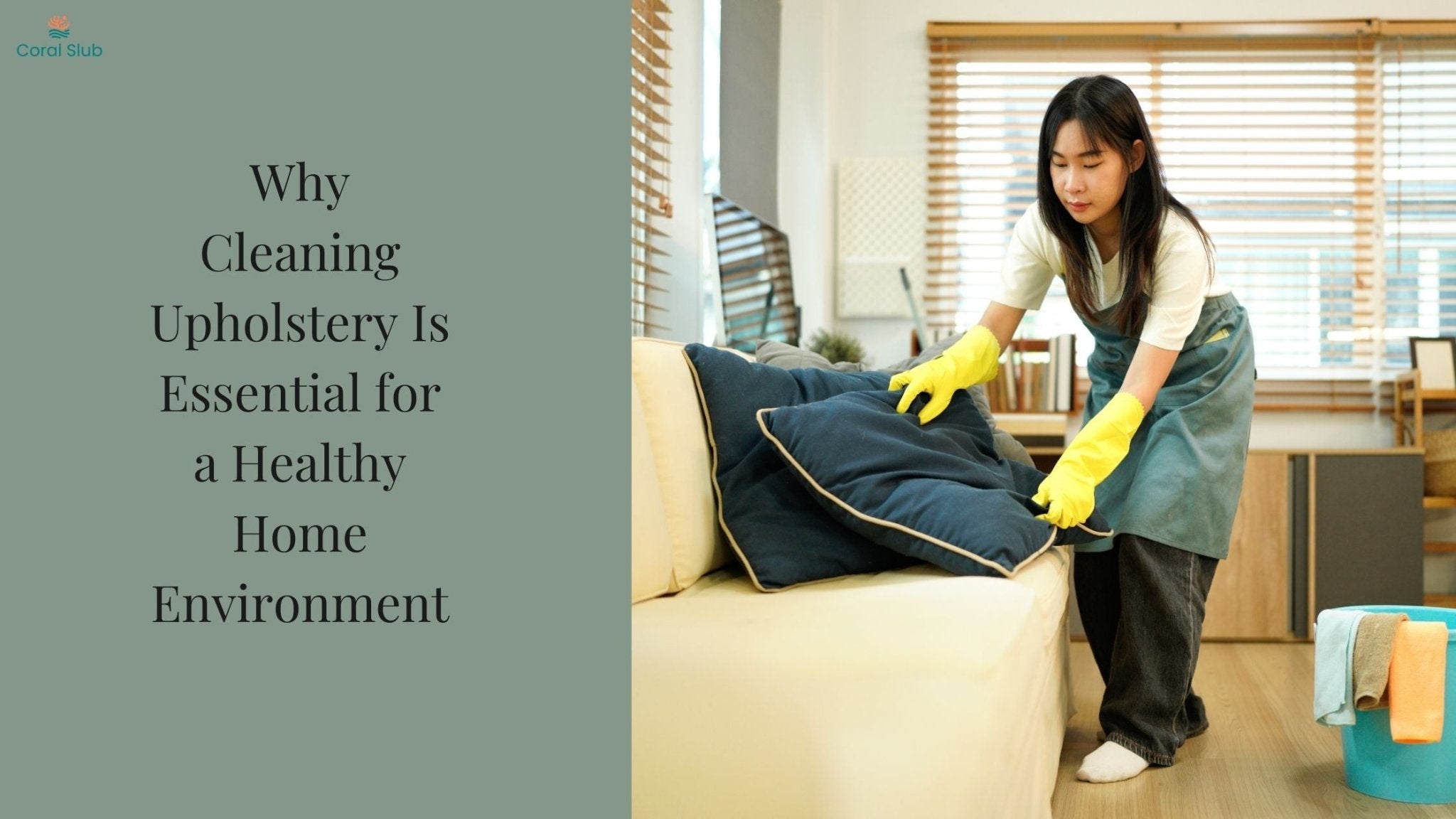
We regularly wash our bed covers, change pillow covers, replace cushion covers, and refresh table linen. These habits reflect good home care. However, what often goes unnoticed are the surfaces beneath these removable fabrics. The mattress you sleep on, the sofa seat you relax on, and the dining chair cushions you use daily quietly accumulate dirt, allergens, and bacteria over time.
Cleaning upholstery is not simply about maintaining appearances. It is a critical aspect of home hygiene, indoor air quality, and long-term furniture care. While clean covers provide surface freshness, true cleanliness extends deeper into the upholstered layers that absorb daily use.
In modern homes where comfort and aesthetics are prioritised, upholstery cleaning must become part of regular maintenance.
Why Upholstery Cleaning Matters More Than You Think
Upholstered furniture is designed for comfort, which means it is made from absorbent materials such as foam, fabric, padding, and fibre. These layers naturally trap dust, sweat, body oils, food particles, and airborne pollutants.
Over time, these accumulations create an environment where dust mites, bacteria, and allergens thrive. Research consistently shows that mattresses and upholstered furniture can harbour microscopic allergens that affect respiratory health and skin sensitivity. Poorly maintained upholstery may contribute to indoor air pollution, particularly in enclosed urban homes.
Unlike removable cushion covers or bedsheets that can be washed weekly, upholstered surfaces are often neglected for years. This imbalance creates a hidden hygiene gap.
A visually clean home does not always equal a hygienic home.
Mattress Cleaning: The Overlooked Foundation of Sleep Hygiene
How Mattresses Accumulate Dust and Allergens
A mattress absorbs sweat, dead skin cells, and body oils every night. Even when protected with a mattress cover, fine particles can penetrate over time. Dust mites feed on skin cells and multiply within mattress fibres, especially in humid climates.
Without regular cleaning, mattresses can become reservoirs of allergens that affect sleep quality and overall well-being.
How Often Should You Clean a Mattress
Vacuuming a mattress once a month helps remove surface dust and debris. Deep cleaning every six to twelve months is recommended to maintain hygiene. Occasional sun exposure, where possible, helps reduce moisture and odours naturally.
Maintaining a clean mattress is not merely about comfort. It directly influences sleep hygiene and respiratory health.
Sofa Upholstery Cleaning: Protecting High-Traffic Furniture
Why Sofa Seats Trap More Dirt Than You Realise
Sofas are among the most frequently used furniture pieces in any home. While many households regularly change cushion covers, the sofa base and armrests often remain untouched.
Sofa upholstery absorbs sweat, food spills, pet dander, and environmental dust. Over time, these elements settle deep into the fabric layers. In humid conditions, this can also lead to unpleasant odours and microbial growth.
Regular vacuuming helps reduce surface accumulation, but periodic professional sofa cleaning is essential for deep sanitisation. Upholstery cleaning extends the life of your furniture while protecting household hygiene.
Dining Chair Upholstery: A Hidden Hygiene Risk
Why Dining Seats Require Regular Attention
Dining chairs are directly exposed to food crumbs, spills, and frequent hand contact. Even when table runners and tablecloths are clean, upholstered dining chair seats may retain unseen residue.
Food particles embedded within fabric can encourage bacterial growth. Over time, stains and moisture penetration can damage the upholstery structure.
Routine vacuuming and timely spot cleaning preserve both cleanliness and appearance. In homes with children, this becomes especially important to prevent germ accumulation.
Upholstery Cleaning and Indoor Air Quality
One of the most underestimated aspects of upholstery cleaning is its impact on indoor air quality. Soft furnishings act as filters that trap airborne particles. When disturbed, these particles are released back into the air.
Dust mites, pollen, and microscopic debris embedded in upholstery can aggravate allergies and asthma. Regular cleaning reduces airborne irritants and contributes to a healthier living environment.
In well-sealed modern homes where ventilation may be limited, upholstery hygiene becomes even more crucial.
The Relationship Between Clean Covers and Clean Upholstery
Changing bed covers, pillow covers, and cushion covers regularly is excellent practice. However, if the underlying upholstery remains unclean, hygiene is only partially addressed.
Fresh cushion covers on a dust-laden sofa base cannot fully eliminate allergens. Clean bedsheets on an untreated mattress do not remove embedded mites.
True home hygiene involves maintaining both removable fabrics and internal upholstery layers. The two must work together to create a genuinely clean environment.
Best Practices for Maintaining Upholstered Furniture
Regular Vacuuming as Preventive Care
Vacuuming mattresses, sofas, and dining chairs weekly helps prevent long-term buildup. Using upholstery attachments allows for better dust extraction from seams and crevices.
Immediate Spill Management
Promptly addressing spills prevents liquid from penetrating deeper layers. Gentle blotting and appropriate fabric-safe cleaning solutions reduce long-term damage.
Periodic Deep Cleaning
Professional upholstery cleaning once a year ensures thorough sanitisation. Steam cleaning or specialised extraction methods remove embedded dirt without damaging fabric integrity.
Protective Covers and Fabric Choices
Using washable cushion covers and protective layers helps reduce direct exposure. Choosing breathable fabrics for sofas and chairs also supports long-term maintenance.
Upholstery Cleaning Is an Investment in Health
Many homeowners prioritise aesthetics when maintaining furniture. However, upholstery cleaning is equally about health.
Accumulated dust, allergens, and bacteria can influence sleep quality, respiratory comfort, and overall indoor hygiene. Maintaining clean upholstery protects not only furniture lifespan but also family well-being.
A hygienic home is built from layers. The visible layer may look fresh, but the invisible layer determines true cleanliness.
Final Thoughts
In daily life, we take pride in changing bed covers, washing pillow covers, and refreshing cushion covers. These habits reflect care. Yet, mattresses, sofa seats, and dining chair upholstery deserve equal attention.
Cleaning upholstery is not a luxury service. It is a necessary component of responsible home maintenance.
A well-maintained home is not defined only by how it looks. It is defined by how it supports health, comfort, and longevity.
If you are investing in high-quality soft furnishings and home decor, complement them with proper upholstery care. Clean surfaces, clean air, and clean habits together create a home that truly nurtures well-being.