
Cart
0
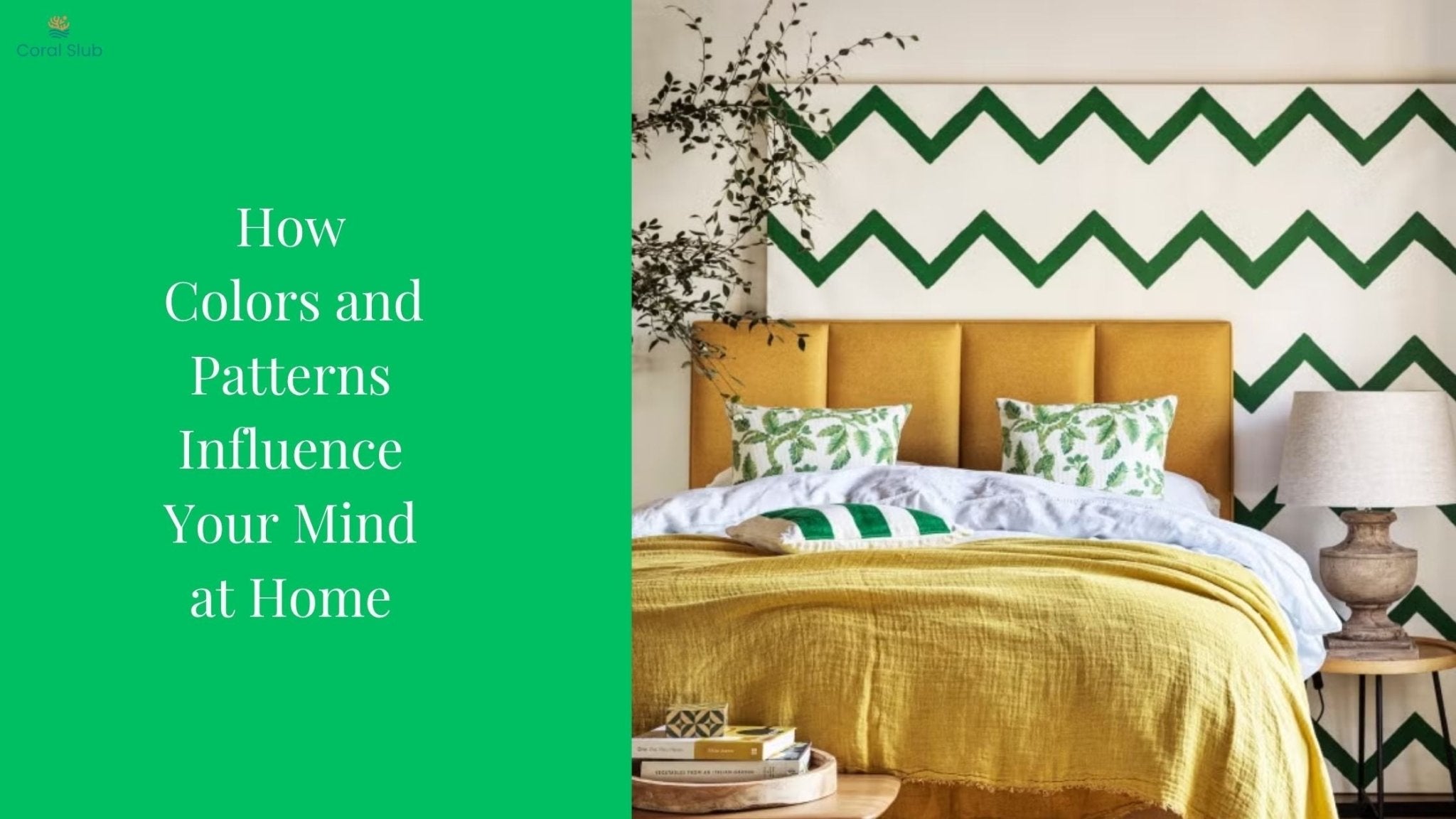
You may not notice it immediately, but your home is constantly affecting the way you feel.
The colours on your walls, the patterns on your cushions, the textures layered across your space all quietly shape your mood, energy, and state of mind every single day. A room can feel calming without you understanding why. Another can feel restless, overwhelming, or emotionally heavy even when everything inside it is technically beautiful.
This happens because the human mind responds deeply to visual environments.Design is not only about aesthetics. It is psychological. The spaces we spend time in influence our emotions, focus, stress levels, and even the pace at which we think. This is why certain homes feel restorative while others feel mentally exhausting.And often, the difference begins with colour and pattern.
Why the Human Mind Responds to Visual Environments

The brain processes visual information faster than almost anything else.Before you consciously analyse a room, your mind has already responded to its colours, shapes, lighting, and spatial balance. Research in environmental psychology has consistently shown that interiors affect emotional regulation, concentration, and stress levels.This is why thoughtful interiors feel different emotionally, not just visually.
How Colours Affect the Mind at Home
Soft Neutrals Create Calmness
Why Beige, Ivory and Warm Whites Feel Relaxing

Neutral tones are often associated with simplicity and rest because they reduce visual stimulation.
Warm whites, beige, taupe, and soft earthy shades allow the brain to relax rather than constantly process strong contrast. This is why neutral interiors often feel spacious and emotionally quieter.
However, the warmth of the neutral matters. Cooler greys can sometimes feel emotionally distant, while warmer tones feel softer and more comforting.
Blue Encourages Stillness and Focus
Why Blue Is Common in Bedrooms and Quiet Spaces

Blue is strongly connected to calmness, reflection, and emotional balance.
Psychologically, softer blues tend to reduce mental overstimulation, which is why they are frequently used in bedrooms, reading corners, and meditation spaces. Darker blues create depth and sophistication, while lighter shades feel airy and peaceful.
Green Creates Emotional Balance
The Colour Most Connected to Nature

Green is one of the easiest colours for the human eye to process.
Because it is deeply associated with nature, renewal, and growth, it naturally creates a sense of restoration indoors. This is one reason biophilic interiors and earthy green palettes continue to dominate modern home design. (architecturaldigest.com)
Green works especially well in living spaces where emotional comfort matters.
Warm Colours Increase Energy and Warmth
Reds, Mustards and Terracotta Tones
Warmer shades stimulate the senses more actively.

Terracotta, rust, mustard, and muted reds create warmth, intimacy, and emotional energy within a room. These colours often make spaces feel more social and inviting.However, balance is important. Too much intense colour can create visual fatigue over time.
Dark Colours Create Cocooning Spaces
Why Deep Tones Feel Intimate

Charcoal, deep brown, forest green, and burgundy create emotional depth.
When used thoughtfully, darker colours make spaces feel enclosed, warm, and comforting rather than heavy. This is why darker interiors are increasingly being used in bedrooms and lounges designed for relaxation.The key is balancing them with texture and lighting.
How Patterns Affect the Mind
Repetition Creates Mental Rhythm
Why Symmetrical Patterns Feel Calming

Patterns influence the brain through repetition.Symmetrical or repetitive motifs create rhythm and predictability, which naturally helps the mind feel more organised. This is why geometric and mandala-inspired patterns often feel calming rather than chaotic.The eye follows the repetition, reducing mental distraction.
Organic Patterns Feel Softer Emotionally
Florals, Curves and Nature-Inspired Motifs

Patterns inspired by nature tend to feel emotionally comforting because they mirror forms the brain already associates with the natural world.
Curved shapes, botanical prints, and flowing motifs soften a room psychologically. They reduce the harshness created by too many rigid lines or structured layouts.
Overly Busy Patterns Can Create Mental Clutter
Why Visual Balance Matters

Too many competing patterns can overstimulate the brain.
When every surface contains bold prints, the mind struggles to rest visually. This often creates subtle tension within a room even if the styling itself is expensive or trend-driven.
Balance is what allows patterns to feel expressive without becoming overwhelming.
The Emotional Psychology of Layering
Why Texture Changes How a Room Feels

The brain does not only respond to colour visually. It responds emotionally to texture as well.Soft cottons, woven fabrics, quilts, embroidery, and layered textiles create warmth and comfort because they signal softness and safety subconsciously.
This is one reason textile-heavy interiors often feel emotionally grounding.
How to Create a Mentally Calming Home
Start with Emotional Intention
Before choosing colours or décor, ask yourself one question:How do you want the space to feel?Calm? Grounded? Energising? Soft? Once that emotional direction becomes clear, design decisions become easier and more cohesive.
Use Patterns Thoughtfully
One statement pattern often creates more impact than several competing ones. Allow the eye places to rest.
Layer Natural Textures
Cotton, linen, wood, ceramics, and handcrafted textiles add emotional warmth without visual heaviness.
These materials make spaces feel more human.
Final Thoughts

A home affects you long before you consciously notice it.The colours surrounding you influence your mood. The patterns in your space shape how your mind processes visual information. Even texture changes the emotional atmosphere of a room.
This is why good interiors are never only about decoration.They are about feeling.And when colours, patterns, and textures are chosen with intention, a home begins to do something quietly powerful: It starts supporting your emotional well-being every single day.