Cart
0
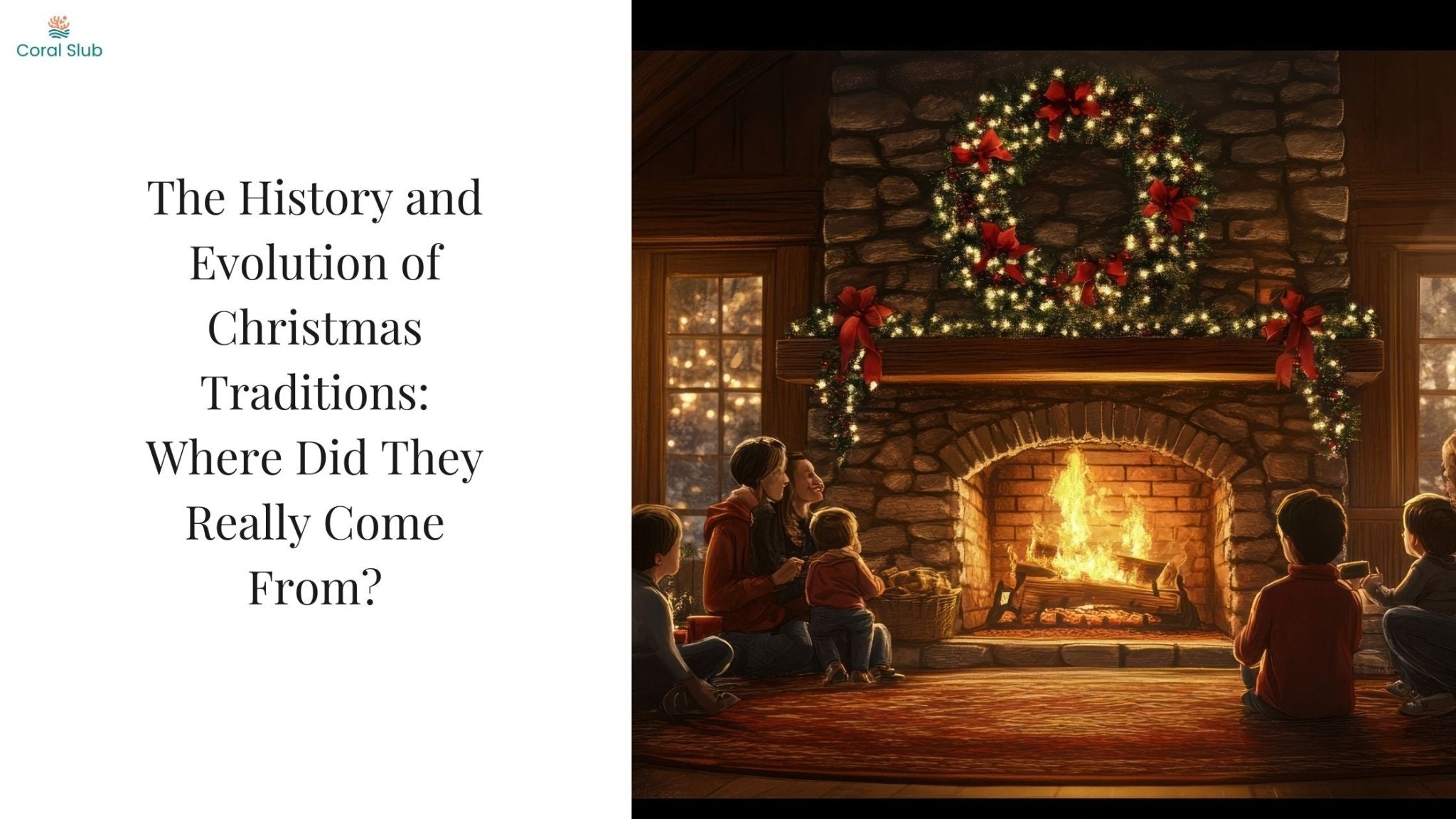
Christmas is celebrated across the world with lights, trees, gifts, music, and warm gatherings. Yet the traditions we know today did not appear all at once. They evolved slowly over centuries, shaped by cultures, beliefs, and rituals that existed long before Christmas itself took its modern form. Many of the customs we associate with the festival have roots in ancient winter celebrations, early Christian practices, and local traditions that blended into a global holiday.
Understanding the history of Christmas helps us appreciate how this festival grew from spiritual beginnings into a celebration of joy, community, and togetherness.
Winter Festivals That Existed Before Christmas

Long before Christmas became a widely celebrated festival, many ancient communities observed winter solstice celebrations. The solstice, which marks the shortest day and the longest night of the year, symbolised the return of sunlight and the victory of warmth over darkness.
The Romans celebrated Saturnalia, a weeklong festival filled with feasting, gift giving, and decorated homes. The Norse communities of Scandinavia celebrated Yule, burning large logs to bring light into the cold winter and gathering with family for long meals. Celtic communities observed midwinter rituals honouring nature and the cycles of light.
These celebrations contributed many of the elements we now associate with Christmas, including greenery, feasts, and the symbolism of light returning to the world.
How Christmas Began as a Christian Festival

Christmas as a Christian celebration commemorates the birth of Jesus Christ. By the fourth century, the Church chose December 25 as the official date. Historians note that the date aligned closely with existing solstice festivals, which helped new Christian communities adapt familiar practices into the celebration.
Early Christians focused on the spiritual significance of hope, new beginnings, and divine love. Over time, religious rituals blended with local customs, evolving into the diverse Christmas traditions seen across cultures today.
The Origin of the Christmas Tree

The tradition of bringing evergreen trees indoors can be traced to ancient winter rituals that used green branches to symbolise life during the cold months. In medieval Europe, evergreens became part of Christian celebrations as reminders of everlasting hope.
The modern Christmas tree took shape in Germany during the sixteenth century, when families decorated trees with candles, fruits, and carved ornaments. The custom spread across Europe and reached England during the Victorian era. When Queen Victoria and Prince Albert displayed a decorated tree in Windsor Castle, the tradition gained global popularity and became a symbol of Christmas joy.
How Gift Giving Became a Core Tradition

Gift giving is rooted in multiple origins. In Christian tradition, it echoes the gifts brought by the Three Wise Men during the birth of Jesus. In Roman Saturnalia, exchanging gifts symbolised goodwill and friendship.
By the nineteenth century, gifts became a family centred tradition, especially as Christmas shifted from public feasts to home based celebrations. As storytelling and literature grew, figures like Santa Claus and St. Nicholas shaped the idea of giving with kindness. Today, the act of exchanging gifts continues to represent love, generosity, and togetherness.
The Evolution of Santa Claus

Santa Claus is one of the most recognised Christmas figures, yet his story is a blend of myth, legend, and cultural evolution. The origins trace back to St. Nicholas, a fourth century bishop known for his generosity. In northern Europe, Scandinavian folklore introduced figures such as Sinterklaas and Father Christmas who brought gifts to children.
Over centuries, these stories merged into the modern image of Santa. By the early twentieth century, illustrations and literature shaped Santa as the familiar red suited figure who symbolises warmth, joy, and festive cheer. His story continues to evolve with every generation.
Christmas Music, Carols, and Festive Gatherings

Carols originally began as folk songs sung during celebrations of seasons and harvests. Over time, they became associated specifically with Christmas. Communities would gather to sing hymns, share warmth, and celebrate the spirit of the season.
Festive gatherings, family meals, and community feasts also evolved from ancient winter traditions where food and warmth were shared as a symbol of unity. Today, these gatherings form the heart of Christmas celebrations across the world.
Modern Christmas:

Christmas as we know it today is a beautiful mosaic of traditions. The lights reflect ancient rituals of welcoming brightness. The tree carries echoes of evergreen symbolism. Gifts represent generosity across cultures. Music reminds us of shared celebration. Religious ceremonies honour spiritual roots.
Over centuries, cultures adapted Christmas in their own ways, creating a festival that feels personal yet universal. This evolution makes Christmas a living tradition, one that continues to grow with contemporary influences, global stories, and local customs.
Final Thoughts

The history of Christmas is a story of cultures blending, rituals evolving, and communities coming together with hope. What began as a spiritual observance grew into a global celebration that honours light, kindness, family, and renewal.
Understanding where these traditions come from helps us appreciate Christmas more deeply. It reminds us that festivals are not just events. They are memories carried through time, shaped by people, stories, and shared human experiences.
Each tradition has a meaning, a past, and a journey. Together, they create the warm, familiar Christmas we celebrate today.
Suggested Resources
-
How Christmas Is Celebrated in Various Parts of India
-
Simple Winter Decor Ideas for Indian Homes
-
Warm Colour Psychology in Winter Interiors