Cart
0
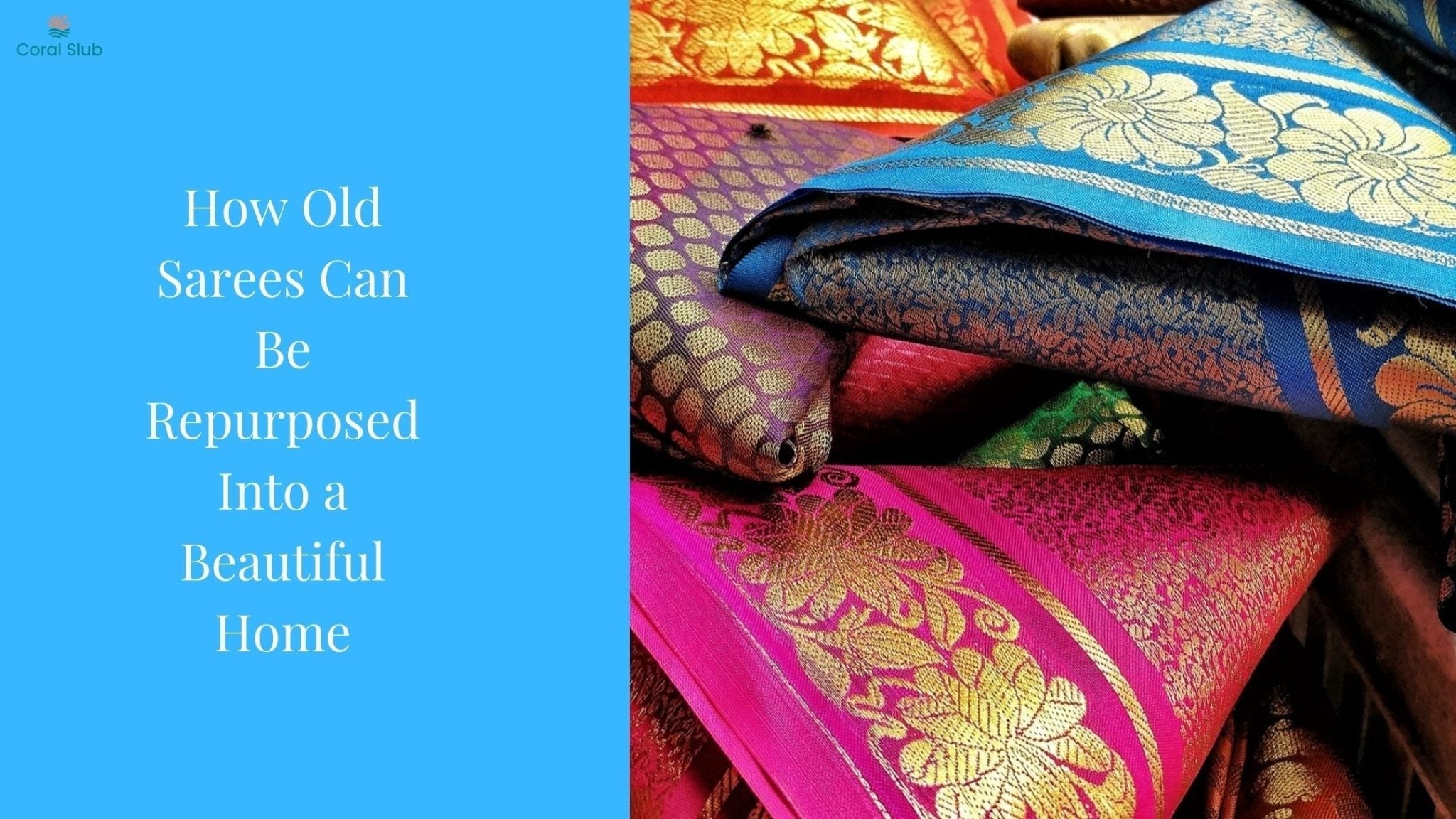
Every saree carries a story. Some remind us of festivals, some of family gatherings, and some of quiet moments woven into everyday life. Even when a saree becomes too old to wear, its colours, textures, and memories remain beautifully alive. Rather than letting these cherished pieces rest forgotten in cupboards, they can be transformed into decor that adds personality and warmth to your home.
Repurposing old sarees is not just an act of sustainability. It is a way of preserving emotion, craft, and family heritage. With a little creativity, a single saree can breathe new life into multiple corners of the home, turning familiar fabrics into meaningful decor.
The Beauty of Reusing Sarees

Indian sarees are made with intricate weaves, rich embroidery, and beautifully dyed fabrics. Whether it is Banarasi silk, cotton handloom, chiffon, georgette, or Mangalgiri, every saree has a unique personality. When repurposed, these details create decor pieces that feel handcrafted, layered, and full of depth.
Reusing sarees is also practical. The fabric is soft yet strong, large enough for multiple projects, and often far better quality than many mass produced textiles. This makes sarees perfect for transforming into cushions, table linen, curtains, wall art, or even quilts.
Most importantly, these creations do not feel new. They feel personal, familiar, and warm, adding character to any home.
Turning Sarees Into Cushions and Pillow Covers

One of the easiest ways to reuse sarees is to turn them into cushion covers. A silk border can frame a cushion beautifully. A printed pallu becomes a striking centrepiece. Cotton sarees create breezy, soft cushions that add comfort to sofas or bedroom corners.
Each cushion becomes a reminder of the saree’s original story. For homes that value colour, craft, and sentiment, saree cushions add layers of history and handmade charm.
Saree Table Runners and Placemats

Old sarees often have stunning patterns that work beautifully on dining tables. The pallu can be turned into a detailed table runner that instantly elevates a meal setting. Matching sections from the body of the saree can be transformed into placemats. This creates a coordinated look that is both elegant and sustainable.
Dining becomes more joyful when the table carries a piece of family memory.
Saree Curtains and Drapes

Lightweight sarees like chiffon, georgette, and cotton can be turned into flowing curtains. Their natural drape allows them to catch light beautifully, transforming windows into soft, glowing spaces.
Even heavier sarees, such as silk or Kanjivaram, can be stitched into elegant drapes for festive occasions or pooja rooms. These pieces feel luxurious without the cost of new fabric, proving how versatile sarees truly are.
Quilts Made from Old Sarees

Patchwork quilts made from saree pieces feel nostalgic and warm. Every panel can hold a different colour, motif, or memory, creating a quilt that feels personal and comforting. Cotton sarees are especially suitable for lightweight summer quilts, while silk pieces can be added for texture and richness.
Such quilts often become heirlooms that carry stories from one generation to the next.
Framing Saree Borders as Wall Art

Saree borders are artworks on their own. From zari patterns to thread embroidery, they hold intricate craftsmanship. Instead of letting them stay hidden, they can be framed as wall art.
A single frame with a gold embroidered border can add elegance to an entryway. Multiple narrow frames with different borders create a striking gallery wall. This is a beautiful way to preserve old fabrics while celebrating their cultural artistry.
Repurposing Sarees for Festive Decor

Festivals often call for soft lights, drapes, and accents. Sarees can be used to create torans, backdrop cloths, lamp covers, and mandir decorations. A silk saree draped behind an idol looks regal. A cotton saree folded into bunting adds colour to celebrations.
These decor ideas feel rooted in Indian tradition and make festivals more meaningful.
Why Repurposing Sarees Matters

Repurposing sarees is sustainable, personal, and emotionally fulfilling. It reduces textile waste, encourages creativity, and keeps family heritage alive within the home. Instead of buying new decor for every occasion, using old sarees connects us with memories and traditions while giving spaces a unique, handcrafted feel.
A home decorated with old sarees feels lived in and loved. It carries stories, colours, and the warmth of generations. That is what makes this practice so special.