Curtains are often seen as functional home essentials that provide privacy and control light. However, when styled thoughtfully, curtains can completely transform the atmosphere of a room. The right curtain styling can make a space feel brighter, more spacious, and visually balanced without requiring major renovations.
A DIY curtain styling approach allows homeowners to refresh their interiors using simple techniques that are both practical and affordable. Whether you are styling curtains in the living room, bedroom, or dining area, understanding how to position, layer, and coordinate them can make a noticeable difference.
This guide explains how to style curtains effectively while maintaining a clean, cohesive look in your home.
Why Curtain Styling Matters in Interior Design
Curtains play an important role in shaping the visual structure of a room. They frame windows, soften natural light, and create a sense of warmth. Poorly styled curtains can make a room appear cluttered or disproportionate, while well-styled curtains enhance the overall balance of the space.
Curtain styling is not only about fabric choice. The placement, length, and layering of curtains all contribute to how a room feels. A few thoughtful adjustments can elevate the look of your interiors without changing the entire décor.
Choosing the Right Fabric for Your Curtains
Light and Breathable Fabrics for Natural Spaces
Fabric selection determines how curtains fall, filter light, and interact with the rest of the room. Light fabrics such as cotton and linen are ideal for creating a relaxed and breathable atmosphere. These materials allow natural light to pass through while still providing privacy.
In living rooms or areas where natural light is desirable, lighter fabrics create an open and airy feeling.
Heavier Fabrics for Bedrooms and Privacy
For bedrooms or spaces that require greater privacy, thicker fabrics can help block excess light and create a more restful environment. Heavier curtains also add a sense of structure and depth to interior design.
Balancing fabric weight with room function is essential for effective curtain styling.
Position Curtain Rods Correctly
Install Curtain Rods Higher Than the Window Frame
One of the most effective DIY curtain styling techniques is installing curtain rods slightly higher than the window frame. This simple change creates the illusion of taller ceilings and makes the room appear more spacious.
Curtains that start higher naturally draw the eye upward, enhancing the visual proportions of the room.
Extend Curtain Rods Beyond the Window Width
Extending curtain rods slightly beyond the width of the window allows curtains to frame the window instead of covering it. This technique maximises natural light while maintaining an elegant frame around the window.
It also ensures that curtains do not block the glass when fully opened.
Choose the Right Curtain Length
Curtain length significantly affects the overall look of a room. Curtains that are too short often appear unfinished.
Floor-length curtains create a more polished and refined appearance. Ideally, curtains should either lightly touch the floor or have a subtle break at the base. This length creates a continuous visual line that enhances room height.
In more relaxed spaces, slightly pooling curtains can add softness and texture to the design.
Layer Curtains for a Balanced Look
Layering is a simple DIY curtain styling technique that adds depth and flexibility.
A combination of sheer curtains and heavier drapes allows you to control light throughout the day. Sheer curtains diffuse sunlight while maintaining brightness, while thicker curtains provide privacy when needed.
Layering also enhances visual richness without overwhelming the room.
Match Curtains with the Room’s Colour Palette
Curtains should complement the existing colour palette of the room rather than compete with it. Neutral tones such as beige, off-white, or soft greys blend seamlessly with most interior styles.
If the room already contains bold patterns through cushions, rugs, or wall art, choosing simpler curtain designs helps maintain balance. In minimalist spaces, subtle textured curtains can introduce visual interest without creating clutter.
Consistency in colour and tone helps create a cohesive design.
Add Texture Through Curtain Accessories
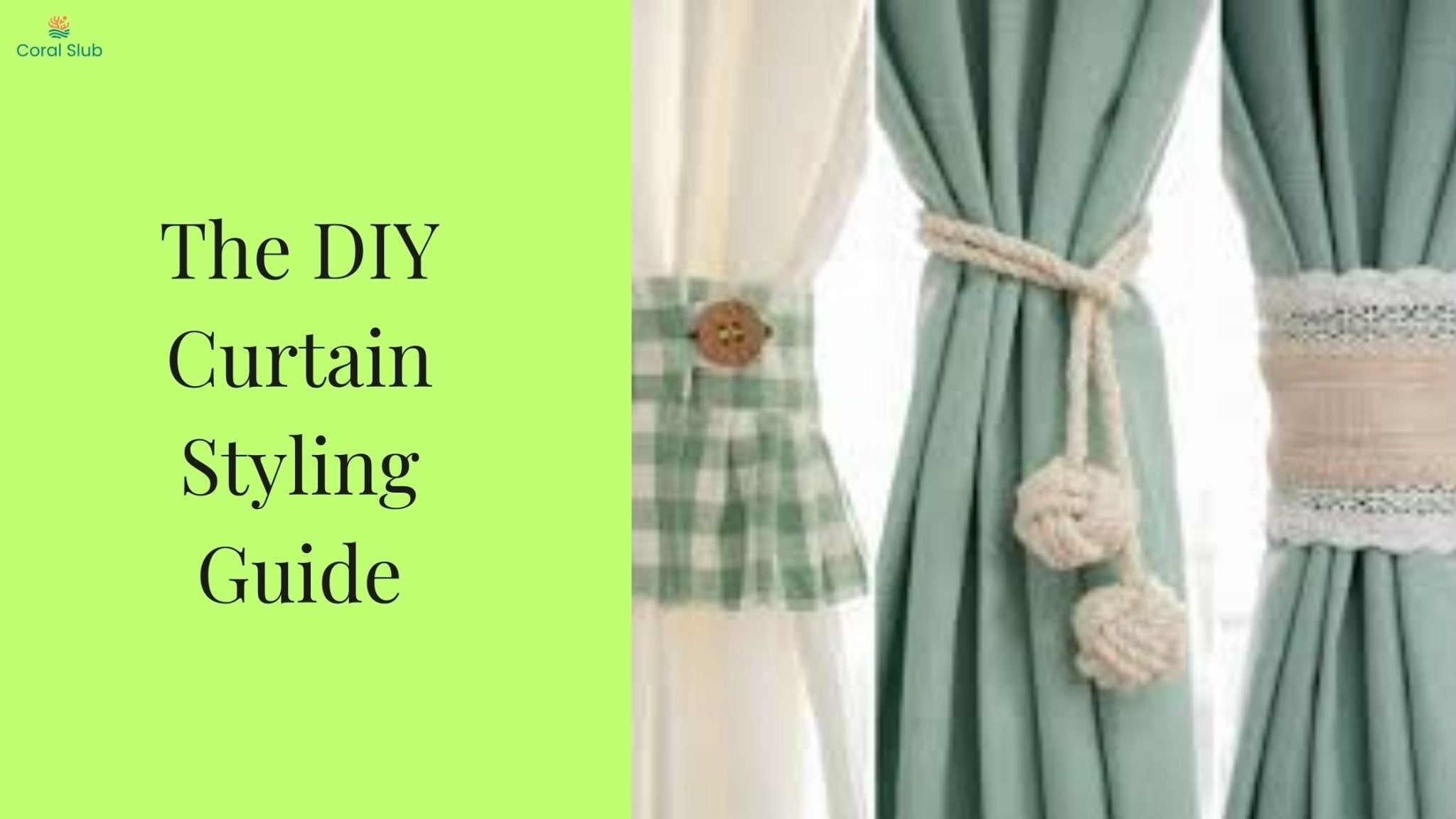
Curtain styling is not limited to fabric alone. Accessories such as tiebacks, rings, and curtain rods can subtly enhance the overall look.
Metal rods create a modern aesthetic, while wooden rods add warmth to traditional interiors. Tiebacks allow curtains to frame the window elegantly while letting more light enter the room.
These small details contribute to a refined finish.
Maintain Curtains Regularly
Well-styled curtains should also be well maintained. Curtains collect dust and environmental particles over time, especially in areas close to windows.
Regular vacuuming or gentle washing helps maintain fabric quality and ensures curtains continue to look fresh. Clean curtains also contribute to better indoor air quality.
Maintenance preserves both functionality and appearance.
Final Thoughts
Curtain styling does not require professional expertise or major investment. With thoughtful fabric choices, proper rod placement, and balanced colour coordination, anyone can improve the look of their windows.
This DIY curtain styling guide demonstrates how small adjustments can elevate the overall atmosphere of a room. Curtains are more than window coverings. When styled correctly, they become an integral part of interior design.
By paying attention to details such as length, layering, and fabric texture, you can create a space that feels comfortable, elegant, and visually harmonious.