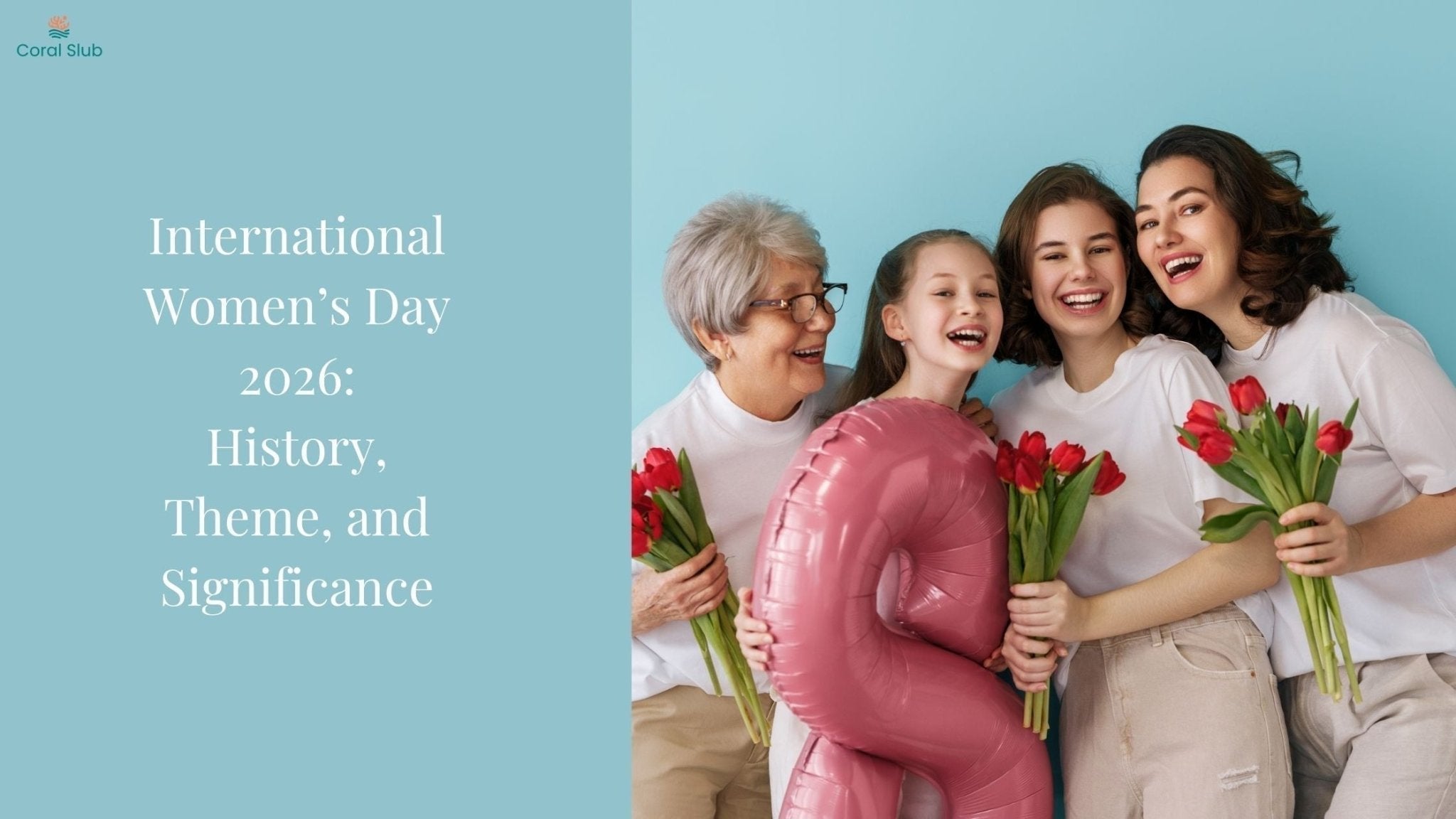
International Women’s Day 2026 will be observed on Sunday, 8 March 2026. Celebrated annually on 8 March, this global day recognises the achievements of women while also highlighting the ongoing struggle for gender equality.
More than just a social media trend or corporate campaign, International Women’s Day is rooted in decades of activism, reform, and global movements that reshaped societies. Understanding its history and significance helps us move beyond symbolic gestures toward meaningful progress.
The History of International Women’s Day
The origins of International Women’s Day date back to the early twentieth century, during a period of industrial expansion and political reform.
In 1908, women garment workers in New York protested against poor working conditions, low wages, and lack of voting rights. Their activism laid the groundwork for what would become a global movement. In 1910, at the International Socialist Women’s Conference in Copenhagen, Clara Zetkin proposed the idea of an international day to advocate for women’s rights.
The first International Women’s Day was celebrated in 1911 in several European countries. Over time, the movement gained momentum, particularly in relation to women’s suffrage.
In 1975, the United Nations officially recognised International Women’s Day, further establishing it as a global platform for gender equality.
Today, International Women’s Day is observed in over 100 countries and continues to evolve with contemporary issues.
What Is the Theme for International Women’s Day 2026
Each year, International Women’s Day carries an official theme that reflects current global priorities related to gender equality.
The International Women’s Day 2026 theme will focus on accelerating progress toward equal opportunities, economic participation, and leadership representation for women across industries. While themes vary by organisation, they consistently emphasise empowerment, inclusion, and systemic change.
Themes are important because they provide direction. They encourage governments, businesses, and communities to move beyond celebration and commit to measurable action.
Why International Women’s Day Is Still Relevant in 2026
Although significant progress has been made, gender inequality remains a global issue.
Women continue to face disparities in pay, leadership representation, access to education, and safety. In entrepreneurship, funding gaps persist. In corporate environments, women are often underrepresented in senior decision-making roles.
International Women’s Day 2026 serves as a reminder that equality is not automatic. It requires continuous advocacy, policy reform, and cultural shifts.
The day also celebrates women who lead change. From grassroots activists to entrepreneurs, artists, educators, and professionals, women contribute significantly to economic and social development.
How International Women’s Day Is Celebrated Globally
International Women’s Day celebrations vary across countries and cultures.
In some regions, it is marked by marches, rallies, and awareness campaigns addressing women’s rights and workplace equality. In corporate settings, organisations host panel discussions, workshops, and leadership forums focused on diversity and inclusion.
In schools and universities, students participate in debates and educational programs highlighting historical contributions of women. Many brands launch campaigns promoting female empowerment, though meaningful impact depends on consistent action beyond one day.
The common thread across celebrations is recognition. Recognition of achievements. Recognition of barriers. Recognition of potential.
The Significance of International Women’s Day for Women Entrepreneurs
For women founders and business leaders, International Women’s Day holds particular importance.
Women entrepreneurs often navigate unique challenges, including access to capital, balancing societal expectations, and overcoming unconscious bias. The day shines a light on these realities while celebrating resilience and innovation.
Economic independence is one of the strongest tools for empowerment. Supporting women-owned businesses and encouraging female leadership directly contributes to broader societal progress.
International Women’s Day 2026 is not only about celebrating women in leadership but also about creating pathways for more women to enter and thrive in those roles.
Beyond Celebration: Turning Awareness into Action
The true significance of International Women’s Day lies in action.
Supporting equal pay initiatives, promoting inclusive hiring practices, mentoring young women, investing in women-led startups, and encouraging financial literacy are tangible ways to extend the impact of the day.
At an individual level, it can be as simple as recognising the contributions of women in your personal and professional life. At an organisational level, it requires structural commitment.
One day of recognition must translate into 365 days of progress.
Final Thoughts
International Women’s Day 2026 is more than a date on the calendar. It is a reminder of history, a reflection on present realities, and a call to shape the future.
Its history teaches us that change begins with courage. Its theme urges us toward measurable progress. Its significance lies in collective responsibility.
Celebration is important. But action is transformative.
As 8 March 2026 approaches, the question is not just how we will celebrate women. It is how we will support their continued growth, leadership, and equality long after the day ends.