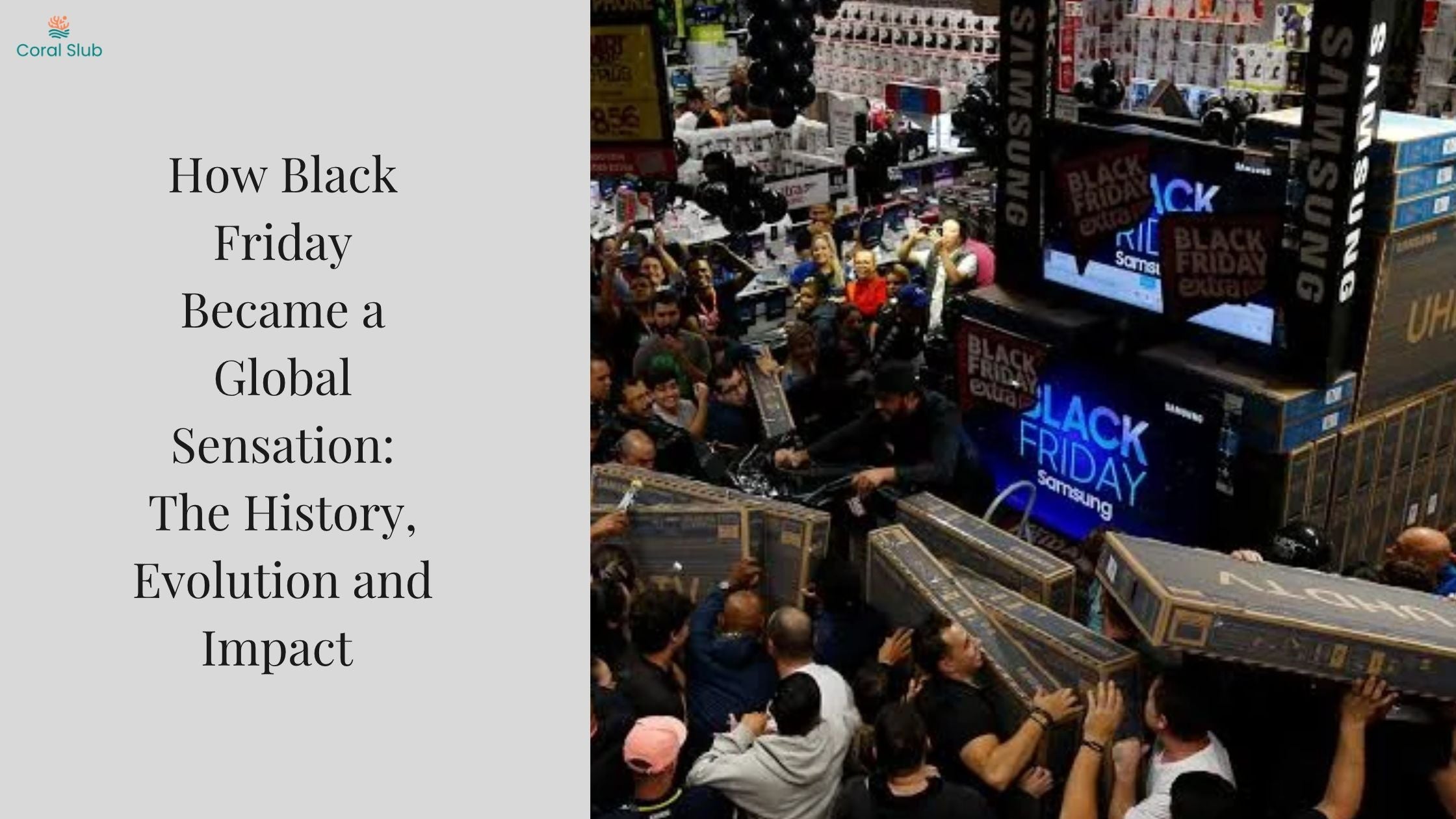
Every November, millions of shoppers around the world look forward to one of the biggest retail events of the year: Black Friday. What was once associated with crowded American shopping malls, early morning queues and limited-time discounts has evolved into a global shopping phenomenon.
Today, Black Friday is no longer restricted to the United States. Retailers across Europe, Asia, Africa and other parts of the world participate in the event, offering promotions across fashion, electronics, beauty, travel and home décor.
But how did an American shopping tradition become an international retail event? And what role did the COVID-19 pandemic play in changing the way the world shops?
The journey of Black Friday is a story of changing consumer habits, the expansion of e-commerce, global retail competition and the rapid adoption of digital shopping.
Where Did Black Friday Begin?
The Origins of America's Biggest Shopping Event
Black Friday takes place on the Friday following Thanksgiving in the United States, traditionally marking the beginning of the Christmas shopping season.
The term became widely associated with the shopping rush in Philadelphia during the 1950s and 1960s. Police officers used the expression to describe the heavy traffic, crowded streets and large numbers of shoppers who arrived in the city after Thanksgiving.
Over time, retailers adopted the occasion as an opportunity to attract customers with special promotions and seasonal discounts.
Another popular explanation connects the name to the accounting practice of recording losses in red ink and profits in black ink. Although this explanation became part of Black Friday's retail story, it was not the original origin of the term.
By the 1980s and 1990s, Black Friday had become firmly established as an important shopping day in the American retail calendar.
What began as a domestic shopping tradition was about to travel much further.
How Black Friday Became a Global Phenomenon
The Expansion Beyond American Borders
The international expansion of Black Friday was closely connected to the growth of global retail brands and online shopping.
As American retailers expanded their digital presence, they discovered that Black Friday promotions could attract customers even in countries where Thanksgiving was not celebrated.
According to an Ipsos report published in 2020, Black Friday's international expansion included several important milestones:
2009: Canada embraces Black Friday
American retailers began introducing Black Friday promotions in Canada. Despite having a different Thanksgiving calendar, Canadian shoppers increasingly became familiar with the American shopping event.
2010: Black Friday reaches the United Kingdom
Amazon introduced Black Friday promotions to the UK, bringing the event to a wider audience through online retail.
2013: Physical retail joins the movement
Asda, then owned by Walmart, helped establish a physical retail presence for Black Friday in the UK, bringing the shopping event beyond online platforms.
2014: China enters the picture
Retailers including Macy's and American Apparel helped introduce Black Friday promotions to Chinese shoppers through Alipay.
2015: Black Friday arrives in India
E-commerce platforms and international retail influence helped introduce Black Friday to the Indian shopping landscape.
These developments demonstrated that Black Friday did not need a connection to Thanksgiving to become commercially relevant. Retailers could adapt the occasion to local shopping habits and consumer preferences.
The Role of E-commerce in Global Expansion
Online shopping played a particularly important role in taking Black Friday beyond American borders.
Unlike physical stores, online retailers could reach customers across countries without establishing a retail presence in every market.
International brands could advertise promotions, offer cross-border shipping and introduce shoppers to products that might not be available locally.
As internet access, digital payments and smartphone usage expanded, Black Friday became increasingly accessible to consumers worldwide.
It gradually transformed from a shopping event associated with American retail stores into a global digital shopping occasion.
How the COVID-19 Pandemic Changed Black Friday Forever
2020: The Year Shopping Moved Online
If e-commerce helped Black Friday become global, the COVID-19 pandemic significantly accelerated its digital transformation.
In 2020, lockdowns, travel restrictions and public health concerns changed how people shopped. Physical stores in many markets faced closures or operating restrictions, while consumers increasingly turned to online platforms for everyday essentials, electronics, clothing and festive purchases.
The impact was particularly visible during the Black Friday shopping season.
According to Adobe Analytics, online holiday spending in the United States reached approximately $188.2 billion in November and December 2020, increasing 32% compared with 2019.
Black Friday itself recorded approximately $9 billion in online sales, a year-on-year increase of 21.6%.
These figures demonstrated how quickly digital shopping had become an important part of the holiday retail experience.
From Crowded Stores to Digital Shopping Carts
Before the pandemic, Black Friday was often associated with shoppers waiting outside stores, crowded shopping malls and limited-time in-store offers.
During the pandemic, the experience changed significantly.
Consumers increasingly explored online marketplaces, brand websites and mobile shopping applications instead of visiting physical stores.
Retailers also adapted their operations by introducing or expanding services such as:
-
Contactless payments: Digital payment options reduced the need for physical cash handling.
-
Buy online, pick up in store: Customers could purchase products online and collect them from participating stores.
-
Curbside collection: Retailers introduced collection options that reduced the need to enter crowded stores.
-
Extended online promotions: Brands spread discounts across several days or weeks instead of concentrating them on a single Friday.
-
Improved delivery services: Retailers invested in fulfilment and delivery options to accommodate increased online demand.
The shopping experience was no longer dependent on physical queues or store opening hours. Consumers could explore deals, compare prices and place orders from their homes.
Why Black Friday Sales Started Earlier
The pandemic also changed the timing of Black Friday promotions.
With consumers avoiding crowded stores and retailers facing logistical challenges, many businesses began introducing discounts earlier in November.
This helped retailers distribute customer demand over a longer period rather than concentrating large numbers of shoppers into a single day.
Supply chain disruptions and delivery uncertainties also encouraged shoppers to begin their holiday purchases earlier.
According to the US Bureau of Labor Statistics, retailers increasingly shifted their holiday promotions earlier in the season following the onset of COVID-19. This contributed to the transformation of Black Friday from a one-day event into a longer shopping period.
The Rise of Cyber Monday and Cyber Week
How Online Shopping Extended the Black Friday Weekend
As online shopping gained popularity, retailers began extending their promotional activities beyond Black Friday.
This gave rise to Cyber Monday, the Monday following Thanksgiving, which initially focused on online shopping deals.
Over time, the two events became part of a larger promotional period commonly known as Cyber Week.
Today, many retailers begin their campaigns before Black Friday and continue their offers through Cyber Monday and beyond.
This extended shopping period provides consumers with more opportunities to explore products, compare prices and make purchasing decisions.
It also allows retailers to manage demand more effectively throughout the holiday shopping season.
How Black Friday Shopping Habits Changed After the Pandemic

Convenience Became as Important as Discounts
The pandemic did not simply move shopping online. It also changed what consumers expected from retailers.
Convenience, product availability, delivery options and easy payment experiences became increasingly important.
Several changes became particularly noticeable:
1. Greater dependence on mobile shopping
Smartphones became an important way for consumers to discover deals, browse products and complete purchases.
2. More research before purchasing
Consumers increasingly used online reviews, product comparisons and social media recommendations to evaluate products before buying.
3. Extended promotional calendars
Rather than waiting for one particular day, shoppers became accustomed to early offers and longer promotional campaigns.
4. Greater importance of delivery and fulfilment
Reliable delivery, convenient returns and transparent order tracking became important parts of the shopping experience.
5. Growth across lifestyle categories
Black Friday promotions expanded beyond electronics and fashion into beauty, wellness, home furnishings, travel and everyday lifestyle products.
The pandemic accelerated many of these developments, and several continued even after physical stores reopened.
Black Friday Today: More Than Just a Day of Discounts
A Global Retail and Lifestyle Event
Black Friday has evolved into an international retail occasion that brings together brands, marketplaces and shoppers across different industries.
While electronics and fashion remain prominent categories, consumers can now explore offers on a much wider range of products.
Home décor and furnishings have also become part of this shopping landscape.
November is an interesting time for home styling. With the festive season coming to an end and winter approaching in many regions, shoppers often begin looking for ways to refresh their living spaces.
This makes Black Friday an opportunity to explore:
-
Printed and embroidered cushion covers to refresh living rooms.
-
Cotton bedsheets and quilts for seasonal bedroom updates.
-
Table runners and table linen for everyday dining.
-
Decorative textiles that introduce colour and texture.
-
Thoughtfully designed home accessories for personal spaces.
For home furnishing brands, the event offers an opportunity to connect with customers who are looking beyond conventional festive purchases.
Conclusion: From an American Tradition to a Global Shopping Phenomenon
Black Friday's journey from crowded American shopping streets to digital storefronts around the world reflects how dramatically retail has changed.
E-commerce helped take the event beyond national borders, while the COVID-19 pandemic accelerated its transition towards online shopping, extended promotional periods and more convenient purchasing experiences.
What was once a single day of shopping has become a much longer retail season, bringing together brands and consumers across different countries and product categories.
For shoppers, it is an opportunity to discover products and make considered purchases. For retailers, it is a chance to connect with customers in an increasingly competitive global marketplace.
At Coral Slub, we believe that shopping should be about finding pieces that bring lasting value and character to everyday living. From thoughtfully designed cushion covers and bedsheets to table linen and home textiles, explore our collection and find little ways to make your home feel more beautiful.
Because the best finds are not simply about getting a great deal. They are about choosing something worth bringing home.
Frequently Asked Questions
1. How did Black Friday become a global shopping event?
Black Friday expanded beyond the United States through international retailers and e-commerce platforms. Its early international milestones included Canada in 2009, the UK in 2010, China in 2014 and India in 2015.
2. How did the COVID-19 pandemic affect Black Friday?
The pandemic accelerated the shift towards online shopping. Store closures, health concerns and changing shopping habits encouraged consumers to use e-commerce platforms, while retailers introduced earlier discounts, contactless payments and convenient delivery options.
3. Why did Black Friday sales move online?
Online shopping allowed consumers to purchase products without visiting crowded stores. It also helped retailers reach customers across geographical boundaries and continue selling during periods of physical store restrictions.