Cart
0
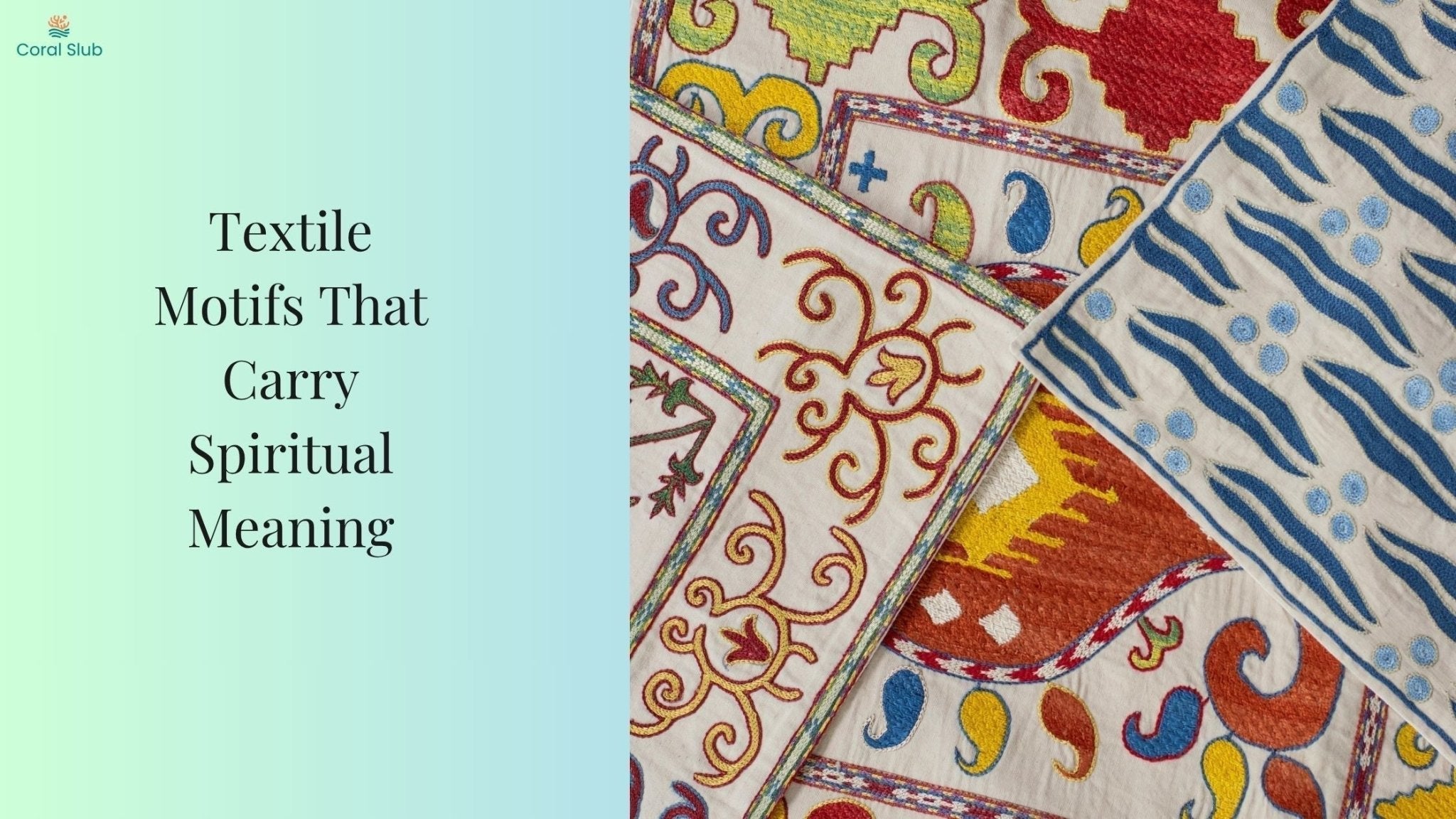
Long before textiles became trends, they carried stories. Across cultures, fabrics were never treated as just decoration. Patterns were woven with intention. Motifs symbolised protection, prosperity, balance, fertility, or spiritual connection. A single embroidered shape could represent an entire philosophy, passed quietly from one generation to the next through cloth.
Even today, many of the motifs we see on cushion covers, quilts, sarees, or wall textiles have meanings rooted far deeper than aesthetics. They instantly uplift the energy and the vibe of any room. What makes these motifs powerful is not just how they look, but what they continue to represent.
Why Spiritual Motifs Continue to Matter in Modern Homes

In a world filled with fast production and temporary trends, meaningful design feels increasingly important.
People are no longer choosing textiles only for colour coordination. They are looking for pieces that create emotion, calmness, and a sense of connection within their spaces. This is one reason heritage motifs are returning so strongly in modern interiors.
Spiritual motifs naturally fit into this shift because they carry symbolism that feels timeless rather than seasonal.
The Mandala: Symbol of Balance and Wholeness
More Than a Decorative Pattern

The mandala is one of the most recognised spiritual motifs in textile and home décor.
Derived from Sanskrit, the word “mandala” means circle. But spiritually, it represents far more. Mandalas symbolise the universe, balance, and the journey inward toward self-awareness.
Traditionally used in Hindu and Buddhist practices, the symmetrical structure of a mandala creates a visual sense of calm and order. This is why mandala textiles often make spaces feel grounded without overwhelming them.
Why It Works So Well in Interiors

The repetitive geometry of a mandala naturally draws the eye toward the centre, creating stillness within a room.
This is why mandala motifs are commonly used in meditation corners, bedrooms, and soft furnishings meant to create comfort and emotional balance.
The Lotus: Purity, Renewal and Spiritual Growth
The Meaning Behind the Lotus Motif

The lotus is one of the most sacred symbols across Indian spiritual traditions.
It grows through muddy water yet blooms untouched on the surface, which is why it represents purity, resilience, and spiritual awakening. In Hinduism and Buddhism, many deities are associated with the lotus as a symbol of enlightenment and inner growth. Lotus Motifs in Textiles
Lotus patterns appear frequently in Indian block prints, embroidery, woven textiles, and temple-inspired motifs.
In home décor, they create softness and serenity while also carrying a sense of spiritual symbolism that feels subtle rather than overt.
Paisley: The Ancient Symbol of Life and Abundance
The Journey of the Paisley Motif

Known in India as the mango motif or “ambi,” paisley originated in Persia and became deeply embedded within Indian textile traditions, especially in Kashmir weaving and embroidery.The curved teardrop form is often associated with fertility, abundance, and life energy.
Why Paisley Still Feels Timeless

Paisley works because it balances movement with softness.
Unlike geometric motifs, it feels organic and flowing, which is why it adapts easily across traditional and contemporary interiors.
The Tree of Life: Connection and Continuity
A Universal Spiritual Symbol

The Tree of Life appears across cultures, religions, and textile traditions.
Its roots symbolise grounding, while its branches represent growth, continuity, and connection between earthly and spiritual worlds.
How It Appears in Textiles

This motif is especially common in Kalamkari, Kashmiri embroidery, and woven heritage textiles.
In interiors, it creates a feeling of warmth and rootedness, making it particularly meaningful for living spaces and family homes.
The Elephant Motif: Wisdom and Protection
Spiritual Meaning in Indian Traditions

Elephants hold deep symbolic significance in Indian culture. Associated with Lord Ganesha, they represent wisdom, strength, protection, and the removal of obstacles.
Using Elephant Motifs in Decor

Elephant motifs often appear in hand block prints, embroidered cushions, and woven textiles.
When styled thoughtfully, they add cultural richness while carrying symbolic meaning linked to positivity and good fortune.
The Sun Motif: Energy and Vitality
Symbolism of the Sun Across Cultures

The sun has historically represented life force, clarity, and spiritual illumination.
In Indian textiles, sun-inspired motifs often appear through radiating geometric forms or circular embroidery patterns.
Why Sun Motifs Feel Uplifting

These patterns naturally create energy within a space.They bring warmth visually and emotionally, making them ideal for spaces that need brightness and movement.
Sacred Geometry in Textiles
Why Repetition Feels Calming

Many traditional textile motifs are based on sacred geometry.Repeated forms, symmetrical layouts, and balanced spacing create rhythm and harmony, which is why handcrafted textiles often feel emotionally calming. This principle exists across mandalas, temple patterns, Islamic geometric textiles, and tribal weaves.
Why Handmade Spiritual Motifs Feel Different

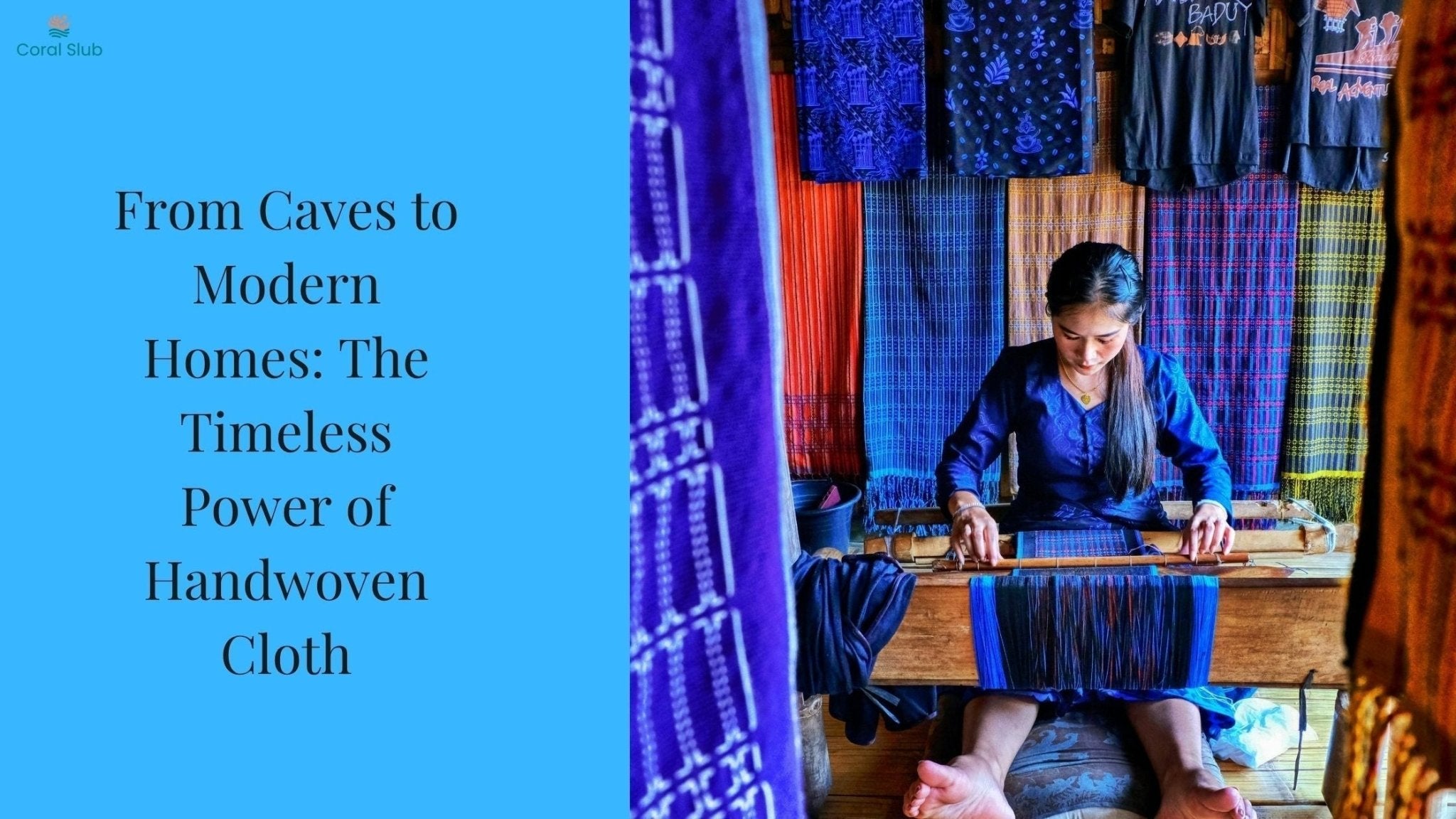
There is a noticeable difference between machine-printed patterns and handcrafted motifs. Handmade textiles carry slight irregularities, visible stitching, and human touch. These imperfections create warmth and authenticity, which is why handcrafted spiritual motifs often feel more emotionally resonant. They feel lived with rather than manufactured.
Bringing Spiritual Motifs Into Modern Interiors
Keep the Styling Intentional

Spiritual motifs work best when they are integrated thoughtfully rather than overused.One mandala cushion, a lotus-inspired textile, or a Tree of Life wall hanging often creates more impact than layering too many symbolic elements together.
Pair Symbolism with Simplicity

Because these motifs already carry depth, surrounding décor should remain balanced.Natural fabrics, earthy tones, wood, and soft textures complement spiritual motifs without competing with them.
Final Thoughts

Textile motifs have always carried more than visual beauty. They carry memory, symbolism, and centuries of cultural meaning woven quietly into fabric. Even today, these motifs continue to resonate because they speak to something deeply human: the desire for balance, protection, growth, and connection. And perhaps that is why spiritual motifs continue to survive through changing trends and generations. Not because they are decorative. But because they make spaces feel meaningful.