Cart
0
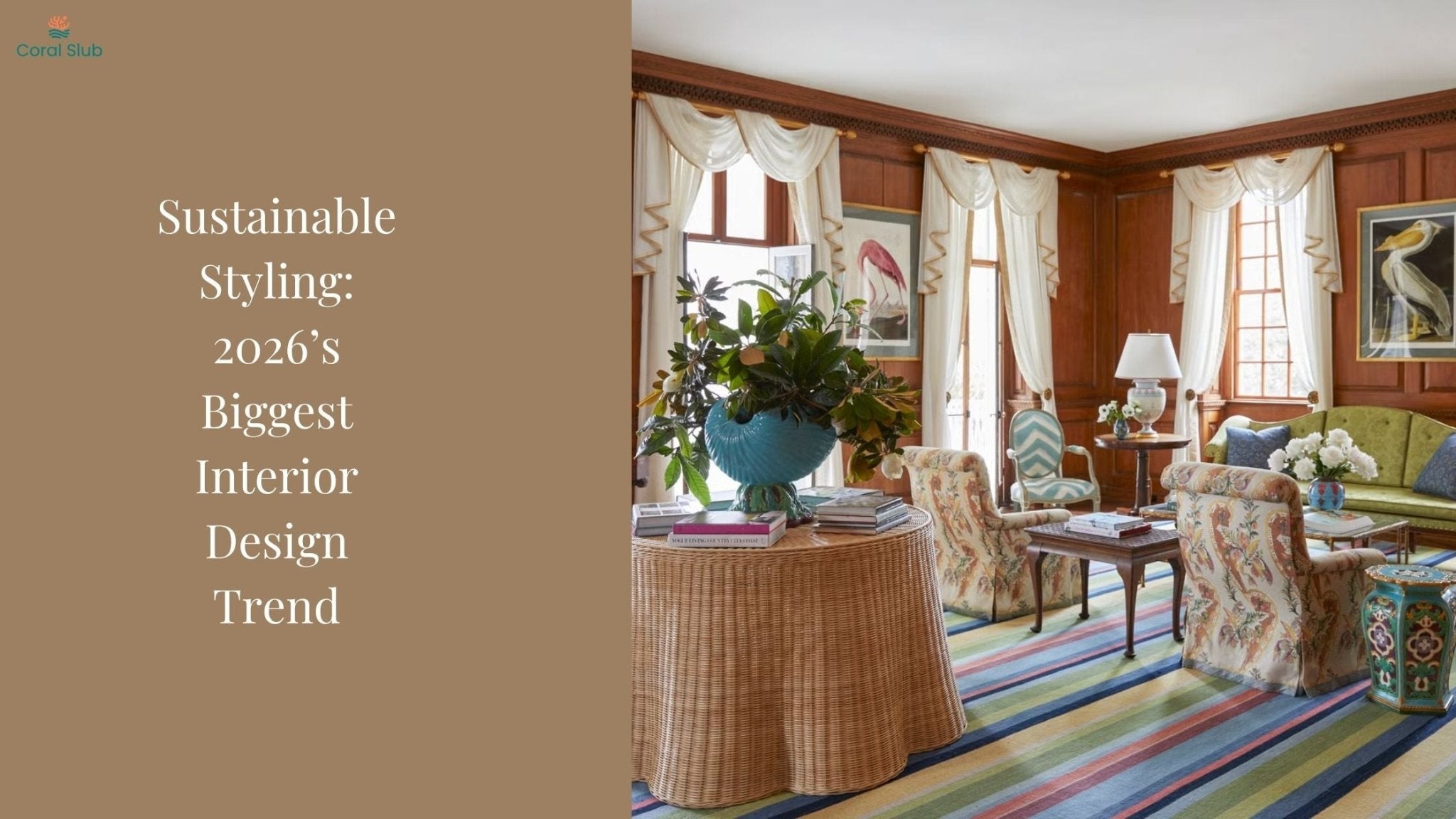
Interior design in 2026 is undergoing a meaningful shift. Homes are no longer styled only for visual appeal. They are being shaped by values, awareness, and long term thinking. Sustainable styling has emerged as the most influential interior design trend of 2026, redefining how people choose materials, colours, furniture, and furnishings for their homes.
This trend is not about perfection or minimal living. It is about mindful choices that respect the environment, support craftsmanship, and create spaces that feel calm, functional, and emotionally grounding.
What Sustainable Styling Really Means

Sustainable styling goes beyond eco friendly labels. It focuses on designing interiors that last longer, waste less, and age gracefully. Instead of fast decor changes, the emphasis is on thoughtful layering and long term use.
In 2026, sustainability in interiors is about choosing quality over quantity. It means selecting materials that are durable, repairable, and biodegradable wherever possible. Homes are becoming places where design and responsibility coexist naturally.
Natural Materials Take Centre Stage

One of the strongest indicators of sustainable styling is the return to natural materials. Wood, cotton, linen, jute, clay, and stone are being preferred over synthetic alternatives. These materials not only reduce environmental impact but also improve the sensory experience of a home.
Natural fabrics allow better airflow, feel comfortable in Indian climates, and adapt well across seasons. Their textures add depth without needing excessive decoration, making spaces feel warm and lived in.
The Shift Towards Handcrafted and Local Design
2026 interiors are placing renewed value on handcrafted elements. Handmade textiles, block prints, handwoven fabrics, and artisanal decor pieces are being chosen for their individuality and cultural depth.
Sustainable styling encourages supporting local craftsmanship and traditional techniques. These pieces often have a smaller environmental footprint and carry stories that mass produced items cannot replicate. Homes styled this way feel personal rather than showroom perfect.
Muted Colours and Earth Inspired Palettes

Sustainable interiors in 2026 favour colours inspired by nature. Soft neutrals, clay tones, muted greens, warm browns, and gentle blues dominate colour palettes. These shades create calm environments and reduce visual fatigue.
Earth inspired colours also age well. They work across different seasons and decor changes, making them ideal for long term styling. Instead of repainting frequently, homeowners are choosing colours that remain relevant over time.
Reuse, Repurpose, and Restyle

Another defining aspect of sustainable styling is the creative reuse of existing items. Old furniture is being refinished instead of replaced. Vintage textiles are repurposed into cushions, throws, or wall accents.
In 2026, repurposing is seen as a design choice rather than a compromise. It allows homes to retain character while reducing waste. Familiar items gain new meaning when restyled thoughtfully.
Fewer Items, Better Impact

Sustainable interiors are not cluttered, but they are not empty either. The focus is on fewer, well chosen elements that serve a purpose. Each piece earns its place through function, durability, or emotional value.
This approach results in homes that feel balanced and easy to maintain. It also encourages conscious consumption, reducing impulse buying and unnecessary replacements.
Why Sustainable Styling Resonates in Indian Homes

Indian homes naturally align with sustainable design principles. Traditional living has always emphasised reuse, natural materials, and seasonal adaptability. The 2026 sustainable styling trend feels like a return to these roots rather than a new concept.
From cotton textiles suited for climate to handcrafted decor rooted in regional culture, Indian homes already hold the foundation for sustainable interiors. The trend simply refines and modernises these practices.
Sustainable Styling as a Long Term Mindset

Sustainable styling is not a passing trend for 2026. It represents a shift in mindset. Homes are becoming reflections of conscious living, where design choices support wellbeing, environment, and longevity.
This approach allows homes to evolve slowly rather than change constantly. It creates spaces that feel grounded, meaningful, and emotionally connected to the people living in them.
Final Thoughts
Sustainable styling is shaping the future of interior design in 2026 because it aligns with how people want to live. Thoughtfully, responsibly, and comfortably. It values materials that last, craftsmanship that matters, and homes that feel authentic rather than over styled.
As design trends continue to evolve, sustainability stands out not as an aesthetic choice, but as a way of living. Homes designed with this mindset feel timeless, resilient, and deeply personal.