Cart
0
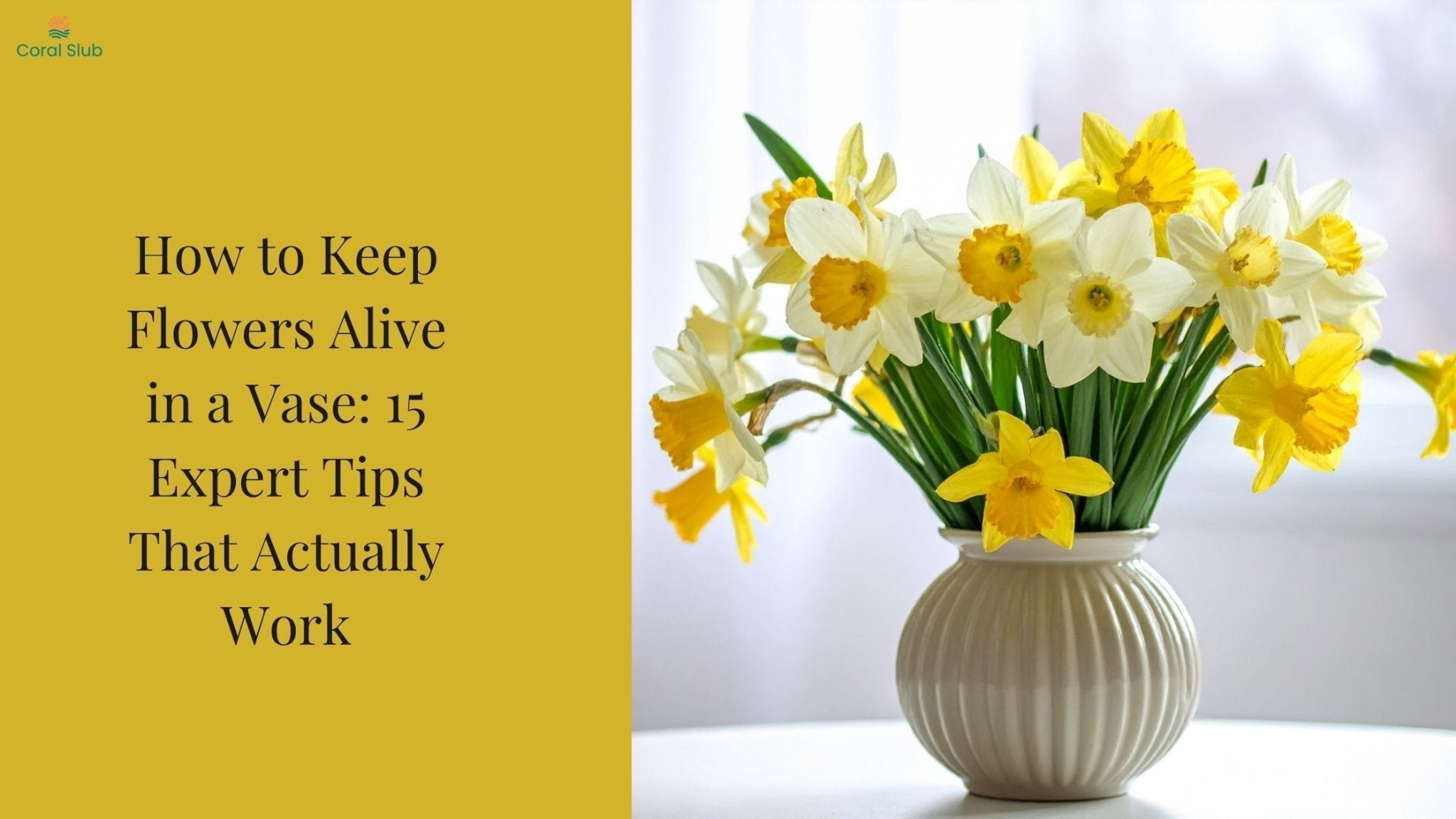
Fresh flowers have a way of instantly transforming a room.
They add colour to a dining table, bring life to a quiet corner, and make even everyday spaces feel more welcoming. Yet one of the biggest frustrations with cut flowers is how quickly they seem to fade. A bouquet that looked beautiful on day one can begin drooping just a few days later.
The good news is that flowers do not wilt quickly because they are fragile. More often, they decline because of preventable factors such as bacteria, poor water quality, improper trimming, or incorrect placement.
With a few simple habits, you can significantly extend the life of your arrangements and enjoy fresh blooms for much longer.
Why Fresh Flowers Wilt So Quickly
Understanding What Happens After Flowers Are Cut

Once flowers are cut from the plant, they rely entirely on the water and nutrients available in the vase.
If stems become blocked by bacteria or if water quality declines, the flowers struggle to absorb moisture. This causes petals to droop, leaves to yellow, and blooms to fade prematurely.
The goal of proper flower care is to help stems absorb water as efficiently as possible while minimising bacterial growth.
Start with a Clean Vase
A Clean Vase Is the Foundation of Long-Lasting Flowers

One of the most overlooked aspects of flower care is the vase itself.Even if a vase appears clean, invisible bacteria from previous arrangements may still be present. Once bacteria enter the water, they can clog stems and reduce the flowers' ability to absorb moisture.
Before arranging flowers, wash the vase thoroughly with warm water and mild dish soap. If the vase has been used recently, a diluted bleach solution can provide additional sanitation.
This simple step often makes a bigger difference than expensive flower food.
Glass Vases Are Often the Best Choice
While ceramic and stoneware vessels can be beautiful, non-porous glass vases are generally easier to keep clean and less likely to harbour bacteria. For flowers that you want to last as long as possible, a clean glass vase is often the safest option.
Trim Flower Stems Properly
Why Cutting Stems at an Angle Matters

When flowers arrive home, the first thing you should do is trim the stems.A fresh angled cut creates a larger surface area for water absorption and prevents the stem from sitting flat against the bottom of the vase. Florists typically recommend cutting stems at a 45-degree angle using sharp floral shears or a clean knife.
Dull scissors can crush stems, making it harder for water to travel upward.
Re-Trim Stems Every Few Days
Flowers continue to seal themselves at the base over time. By trimming a small amount from the stems every two or three days, you reopen the water channels and improve hydration. This small habit can add several extra days to the life of a bouquet.
Use the Right Water
Water Quality Affects Flower Longevity

Many people underestimate how much water quality influences flower health.
Hard water contains minerals that can clog stems, while softened water often contains sodium that may dehydrate flowers. For delicate blooms, filtered or distilled water is often the best option.
Match Water Temperature to the Flower Type
Most cut flowers prefer room-temperature water. However, bulb flowers such as tulips, daffodils, and hyacinths generally last longer in cooler water. Understanding the needs of different flower varieties helps maximise their vase life.
Feed Your Flowers Properly
Why Flower Food Actually Works

Commercial flower food is designed to do three important things. It provides nutrients, helps flowers absorb water more effectively, and controls bacterial growth. Studies have shown that flower food can significantly extend the life of fresh blooms compared to plain water alone. Whenever possible, use the packet that comes with your bouquet.
Homemade Flower Food Can Also Help
If flower food is unavailable, a simple homemade solution can work surprisingly well. A small amount of sugar provides energy, lemon juice or vinegar helps maintain acidity, and a tiny amount of bleach discourages bacterial growth. The key is moderation. Too much of any ingredient can do more harm than good.
Remove Leaves Below the Waterline
Why Submerged Leaves Cause Problems

Leaves that sit underwater quickly begin to decay.As they break down, they release bacteria into the vase and cloud the water. This creates an environment that shortens the lifespan of your flowers.
Before arranging your bouquet, remove any leaves that would sit below the waterline.This keeps the water cleaner for longer.
Place Flowers in the Right Location
Direct Sunlight Is Not Your Friend

Many people place fresh flowers near sunny windows because the arrangement looks beautiful there.
Unfortunately, direct sunlight increases water temperature and accelerates dehydration. Delicate flowers such as hydrangeas and tulips often wilt much faster when exposed to strong sunlight. A bright but shaded location is usually ideal.
Keep Flowers Away from Heat Sources
Fireplaces, radiators, kitchen appliances, and heating vents all create dry conditions that stress flowers.Keeping arrangements away from direct heat helps preserve moisture and maintain freshness for longer.
Avoid Placing Flowers Near Fruit
This tip surprises many people. Ripening fruit releases ethylene gas, a natural plant hormone that accelerates ageing and petal drop. Keeping flowers away from fruit bowls can noticeably extend their lifespan.
Change the Water Regularly
Fresh Water Makes a Significant Difference

One of the simplest yet most effective flower-care habits is changing the water frequently.Rather than topping up old water, completely empty the vase, rinse it thoroughly, and refill it with fresh water every one to two days. This removes bacteria before they have the opportunity to multiply.
Clean the Vase During Water Changes
Whenever you change the water, wipe down the inside of the vase, especially around the waterline.Bacteria often accumulate in these areas and can quickly contaminate fresh water if left untreated.
Special Tips for Popular Flowers
How to Keep Lilies Fresh Longer

Lilies require more hydration than many other cut flowers. A tall vase filled generously with water helps support their large blooms. Removing pollen-bearing anthers when flowers open can also extend bloom life while preventing stains on nearby surfaces and linens.
How to Keep Hydrangeas Looking Fresh

Hydrangeas are known for their dramatic appearance but can be prone to wilting.Frequent stem trimming, cool conditions, and fresh water are especially important for maintaining their signature fullness.
Small Habits That Add Days to Flower Life
Mist Petals in Dry Environments
If your home has dry air, lightly misting petals can help flowers stay hydrated and vibrant for longer.
Rotate the Vase Occasionally
Flowers naturally lean toward light sources.Turning the vase slightly each day encourages more even growth and helps maintain a balanced arrangement.
Remove Fading Blooms Promptly
As flowers age, they release gases and bacteria that can affect neighbouring stems.Removing fading blooms helps preserve the freshness of the remaining arrangement.
Final Thoughts

Keeping flowers alive in a vase is not about secret tricks or viral hacks.
It comes down to a handful of simple principles: clean water, clean containers, healthy stems, and thoughtful placement. When these basics are followed consistently, even delicate blooms can stay beautiful far longer than expected.
Fresh flowers may be temporary by nature, but their beauty does not have to disappear after only a few days.
With a little care and attention, you can enjoy vibrant arrangements that continue to brighten your home, dining table, or workspace well beyond their expected lifespan.