Cart
0
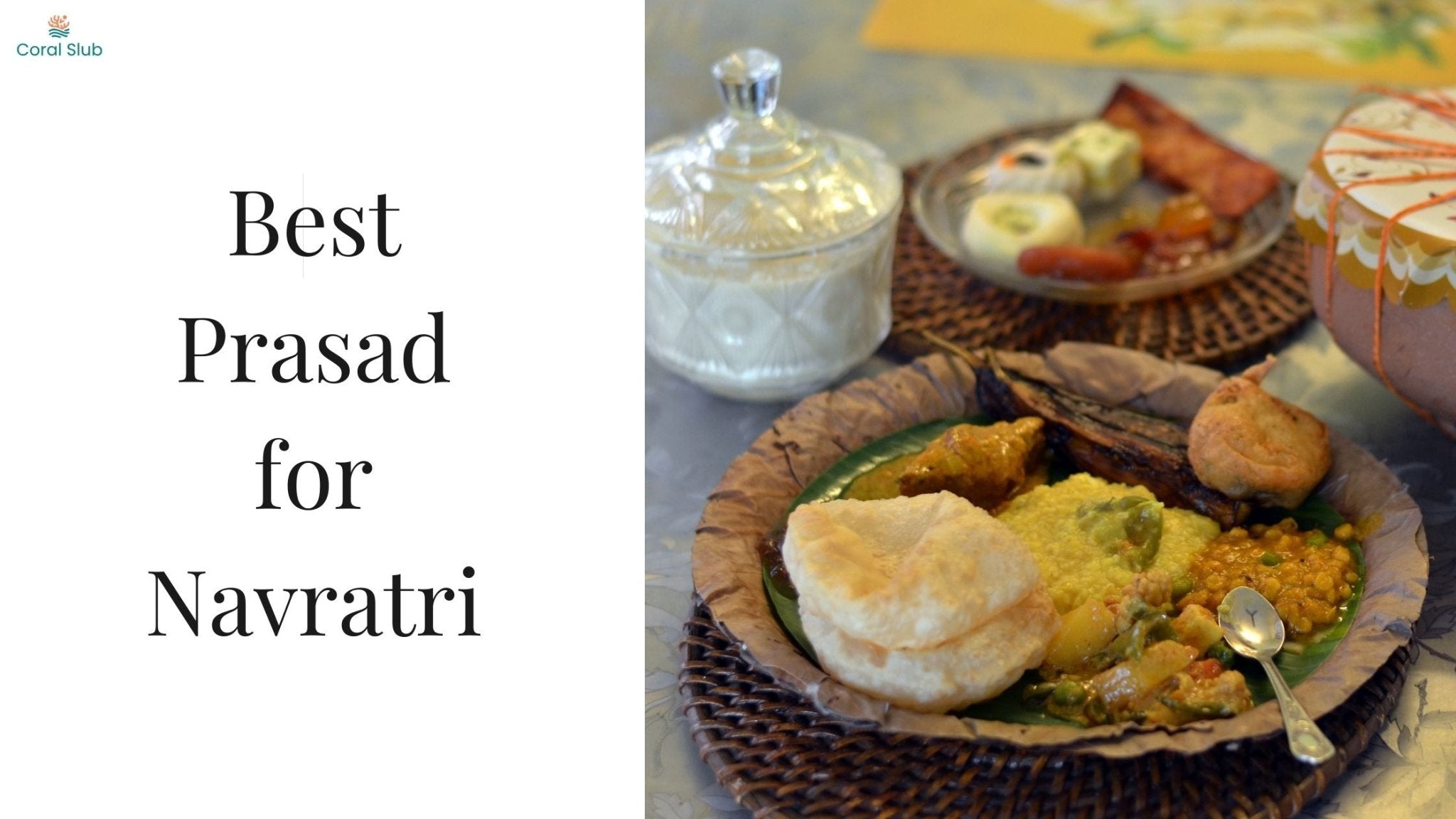
Navratri is not only about fasting and devotion, it is also about offering prasad to Goddess Durga as a symbol of gratitude and faith. Each offering carries spiritual meaning and is believed to bring blessings to the family. Choosing the right prasad is an important part of Navratri celebrations, as it connects tradition with taste.
Navratri 2026 Dates and Significance
In 2026, Chaitra Navratri will be observed from 19 March to 27 March, while Sharad Navratri will take place from 11 October to 20 October.
Navratri, which literally means “nine nights,” is dedicated to the worship of the nine forms of Goddess Durga. These nine days are considered highly powerful for spiritual growth, discipline, and inner cleansing.
Many devotees observe fasting during this period, not only as a ritual but as a way to purify the body and mind.
The Significance of Prasad in Navratri

Prasad is more than food. It is an offering of love and devotion, believed to carry divine energy once offered to the Goddess. During Navratri, prasad is carefully prepared with pure ingredients, often avoiding onion, garlic, and certain grains in keeping with fasting rules.
Navratri Fasting Rules and Guidelines
The Purpose of Fasting
Fasting during Navratri is not just about food restrictions. It is a practice of discipline, purification, and spiritual focus.
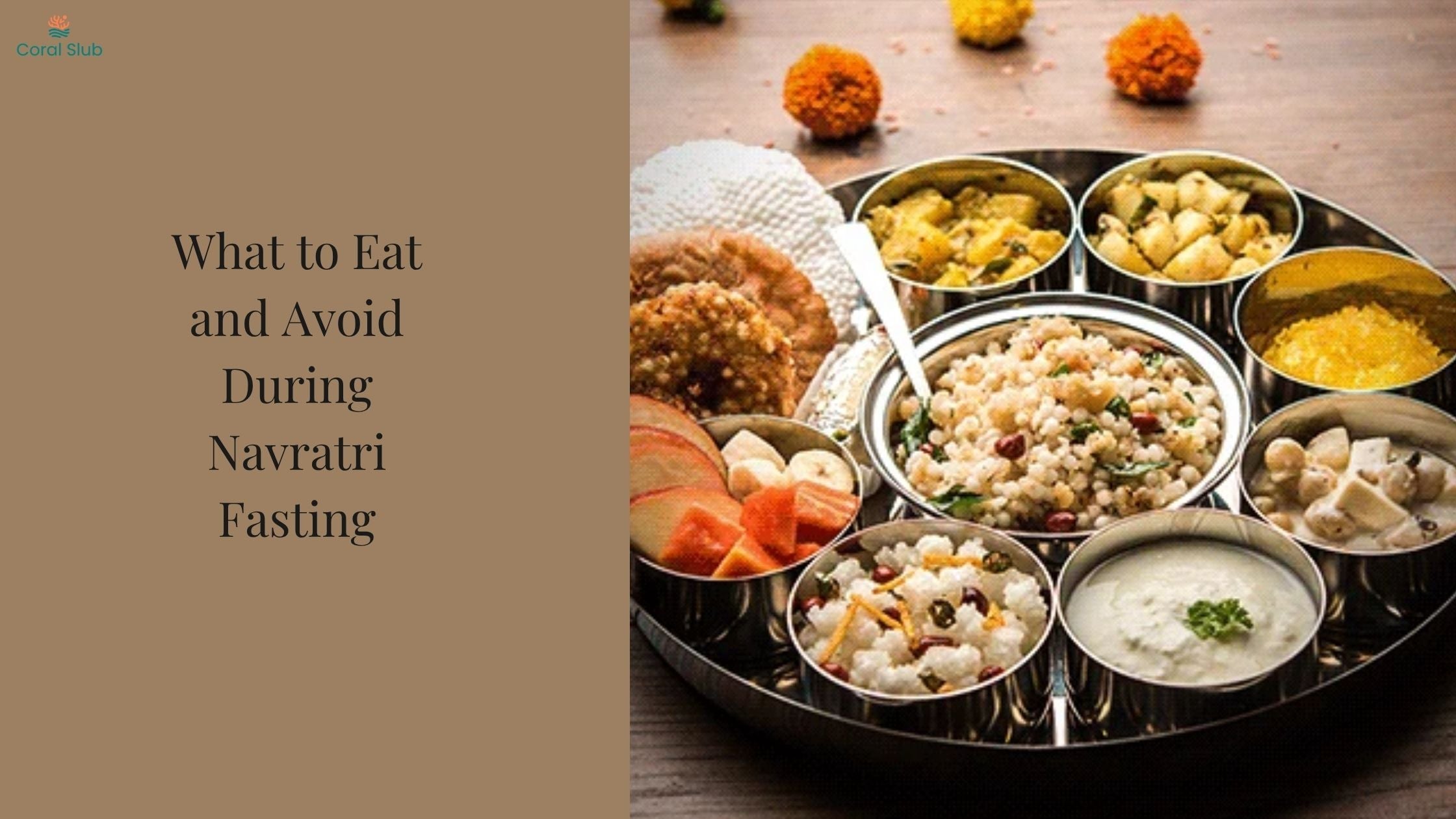
During these nine days, devotees simplify their diet to reduce distractions and turn inward. Eating sattvic foods such as fruits, dairy, and vrat-friendly ingredients helps keep the body light and supports mental clarity.
From a physical perspective, fasting allows the digestive system to rest and reset. Consuming sattvic foods such as fruits, dairy, and vrat-friendly ingredients helps detoxify the body and maintain steady energy levels without heaviness.
From a mental perspective, fasting cultivates control. It teaches restraint, awareness, and mindfulness in everyday actions. When you consciously choose what to eat and what to avoid, you begin to develop a deeper sense of discipline that extends beyond food.
At its core, fasting is about intention. It is less about avoiding food and more about aligning the body, mind, and spirit.
Best Prasad Options for Navratri
1. Sabudana Khichdi

A light and wholesome dish made with soaked tapioca pearls, peanuts, and mild spices. It is commonly prepared during fasting days and offered as prasad.
2. Coconut Ladoo

Sweet, soft, and easy to prepare, coconut ladoos are considered pure and auspicious. They are also perfect for distributing among family and guests.
3. Halwa (Sooji or Atta)

Halwa made from semolina or wheat flour is one of the most traditional prasads. It is often prepared with ghee and sugar, and sometimes garnished with dry fruits.
4. Singhare ke Atte ka Halwa

Made with water chestnut flour, this halwa is especially popular during vrat (fasting) and is believed to please the Goddess when offered with devotion.
5. Puri and Chana

A classic combination, puri and black chana are often prepared on the eighth or ninth day of Navratri, especially during Kanjak Puja, when young girls are worshipped as a form of the Goddess.
6. Kesari (Saffron Sweet)

This vibrant sweet dish, made with semolina, saffron, ghee, and sugar, is both aromatic and rich, making it a favorite prasad option.
7. Fruits and Panchamrit

Offering seasonal fruits along with panchamrit (a mix of milk, yogurt, honey, sugar, and ghee) is considered highly auspicious and widely practiced during Navratri puja.
8. Makhana Kheer

Lotus seeds (makhana) cooked in milk and sugar create a creamy dessert that is both nutritious and sacred. It is one of the most loved Navratri offerings.
9. Sweet Potato Dishes

Boiled or lightly spiced sweet potatoes are offered as prasad, as they are sattvic and suitable for fasting rituals.
Tips for Preparing Navratri Prasad

-
Use pure ingredients and cook with devotion.
-
Avoid onion, garlic, and processed foods.
-
Serve prasad in clean utensils, preferably made of silver, brass, or clay.
-
Distribute prasad to family, friends, and neighbors to spread blessings.
Final Thoughts
Navratri prasad is a blend of devotion, tradition, and simplicity. From ladoos and halwa to kheer and fruits, each offering carries a deeper spiritual meaning. Preparing these dishes with love and care not only honors Goddess Durga but also strengthens the festive spirit within the family.
Frequently Asked Questions (FAQs)
1.What is the best prasad to offer during Navratri?
The best prasad includes sattvic and traditional dishes such as halwa, coconut ladoo, sabudana khichdi, makhana kheer, and fruits. These are considered pure and aligned with fasting practices.
2.Can we eat normal food during Navratri fast?
It depends on the type of fast you are observing. Many people avoid regular grains, onion, and garlic, and instead consume vrat-friendly foods such as fruits, dairy, and specific flours like kuttu or singhara.
3.Can we prepare prasad without fasting?
Yes, prasad can be prepared and offered even if you are not observing a fast. The key element is devotion and intention, not just dietary restriction.
4.When is Kanjak Puja performed and what prasad is offered?
Kanjak Puja is usually performed on the eighth or ninth day of Navratri. Puri, chana, and halwa are traditionally offered to young girls, who are considered forms of the Goddess.